

 dinero_admin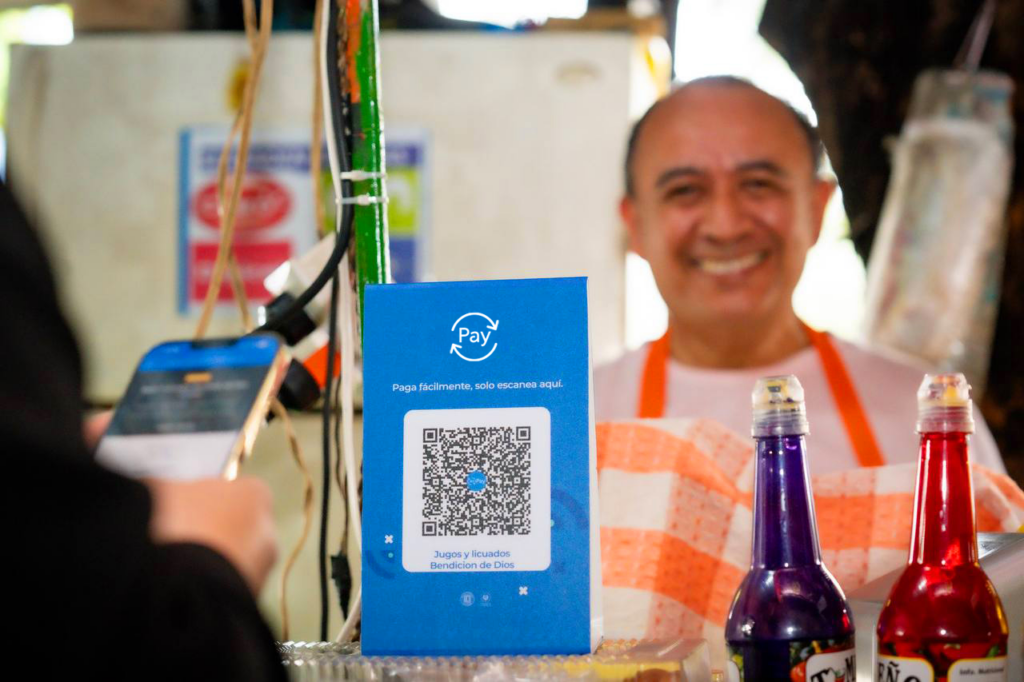
The Banco Central de Reserva de El Salvador (BCR) is advancing the implementation of the Pay system, El Salvador’s payment system, an instant digital payment platform available 24 hours a day and completely free of charge. This initiative aims to expand access to financial services and reduce the use of cash in the economy.
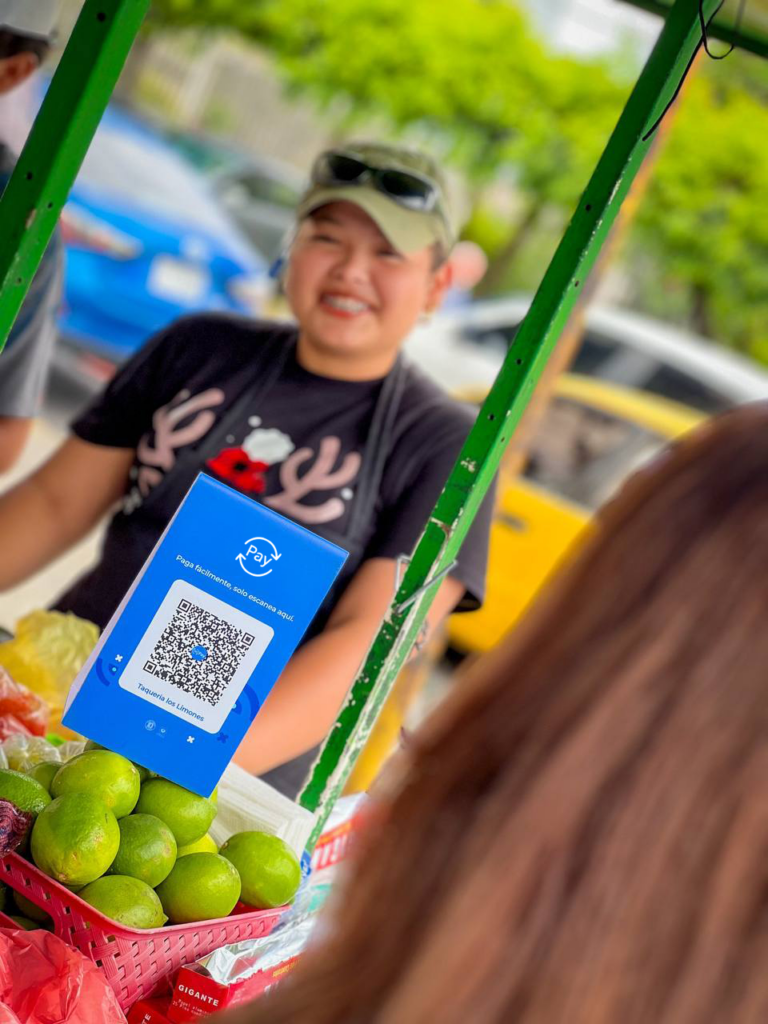
The initiative has already begun implementation in the Historic Center of San Salvador, one of the country’s main commercial and tourist hubs, where merchants, entrepreneurs, and workers are already using the application to make fast and secure transactions via smartphones.
Digital payments to boost commerce
The Pay system allows users to receive payments via QR codes, transfer money, send or receive funds, and make top-ups or withdrawals, all free of charge and without needing a bank account.
This feature seeks to facilitate the digitalization of small businesses operating in areas of high commercial activity, such as markets, restaurants, informal shops, and businesses located in the Historic Center. In this way, food vendors, shoemakers, beauty salons, small businesses, and other entrepreneurs can accept electronic payments instantly, reducing the need to handle cash and increasing transaction security.
According to data from the Banco Central de Reserva, nearly 10,000 active users are already part of the Pay ecosystem, many of them linked to commercial activities and services in different parts of the country, including the Historic Center.
First phase: “Cashless Government Center”
The system’s implementation began with the “Cashless Government Center” phase, in which entrepreneurs and employees of institutions located in that area began using the application developed by the Banco Central de Reserva.
At this stage, users can make payments for products or services, transfer funds between banked and unbanked individuals, as well as top-ups and withdrawals, facilitating commercial transactions without relying on cash.
The expansion into the Historic Center aims to capitalize on the high volume of visitors and merchants, promoting the use of digital payment methods among the thousands of people who conduct economic activities in that area.
Expansion to markets and commercial spaces
The Banco Central de Reserva is also working to expand the use of Pay in markets, shops, and other spaces of economic activity, in addition to implementing a referral system so that current users can invite more people to use the platform.
As part of this expansion, the institution also plans to use Pay to make payments to contractors for the upcoming Economic Census and national surveys, which will demonstrate the system’s efficiency for institutional payments. Options for Top-ups and Withdrawals
Pay users can add funds (cash in) or withdraw money (cash out) at various locations authorized by the Banco Central de Reserva, including its branches in the ONEC building and the Juan Pablo II building.
In addition, the system can be integrated with Transfer365, the BCR’s transfer system, another platform powered by the BCR that allows for immediate electronic transfers and payments 24 hours a day without fees.
Starting in may 2026, the service will also allow top-ups and withdrawals at any branch or mini-branch of the private financial system, even if the user is not a customer of that institution, and at no cost.
Easy access for users
To register for Pay, salvadorans only need their Documento Único de Identidad (DUI). The system does not require an initial deposit or charge transaction fees.
The application is already available for download on Google Play, the App Store, and the Huawei AppGallery, making it easy for anyone with a smartphone to access.
Tool to expand access to credit
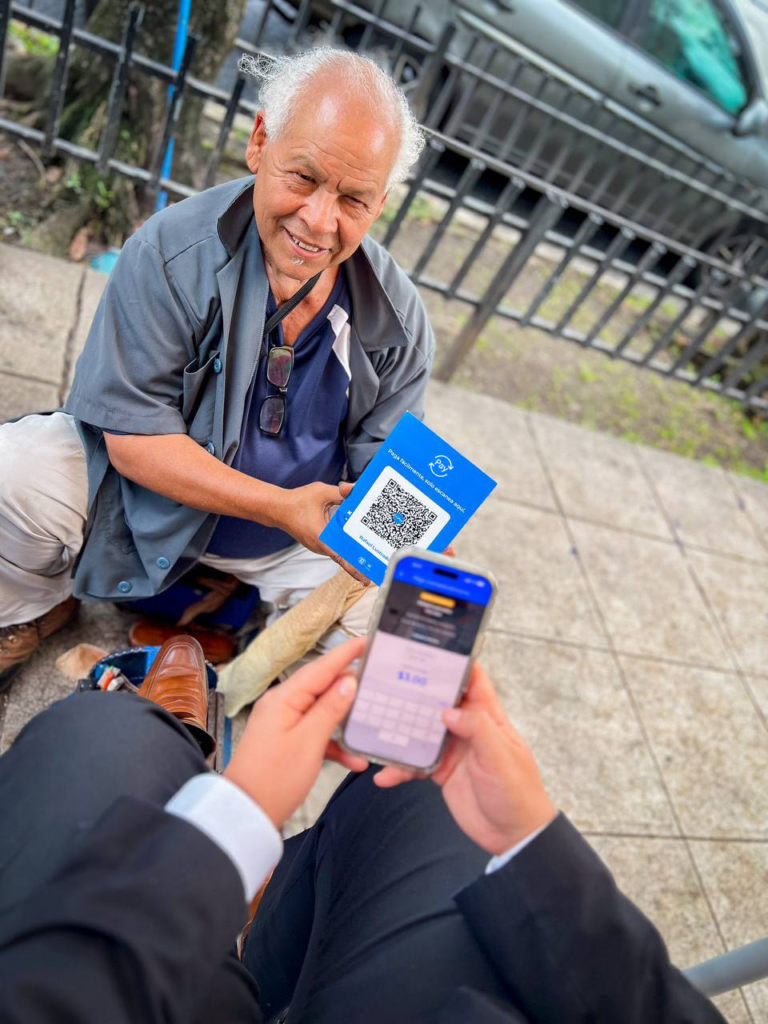
Another benefit of the system is that it automatically generates a digital history of income and transactions, which can serve as a reference for private financial institutions to evaluate users for formal loans in the future.
This could help many entrepreneurs and small business owners who currently rely on informal loans to access financing on better terms.
A step toward financial digitization
The development of the Pay system is part of a broader strategy by the Banco Central to modernize the country’s payment systems and expand access to financial services.
Since 2023, the Banco Central has been working on the development and testing of this platform to ensure it is secure, reliable, and capable of processing transfers in seconds.
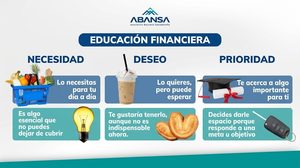
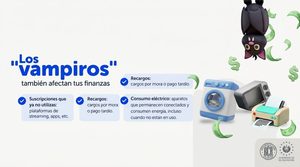
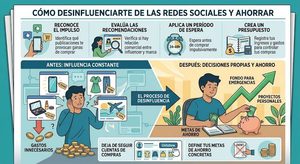
This effort is complemented by other initiatives such as Transfer365 and the financial education program “My Financial Journey,” aimed at promoting the responsible use of digital tools for money management.
With the expansion of the Pay system in the Historic Center and other commercial areas, the Banco Central seeks to facilitate digital payments, support small businesses, and move toward a more financially inclusive economy.
You can also read: