

 A. M.
A. M. 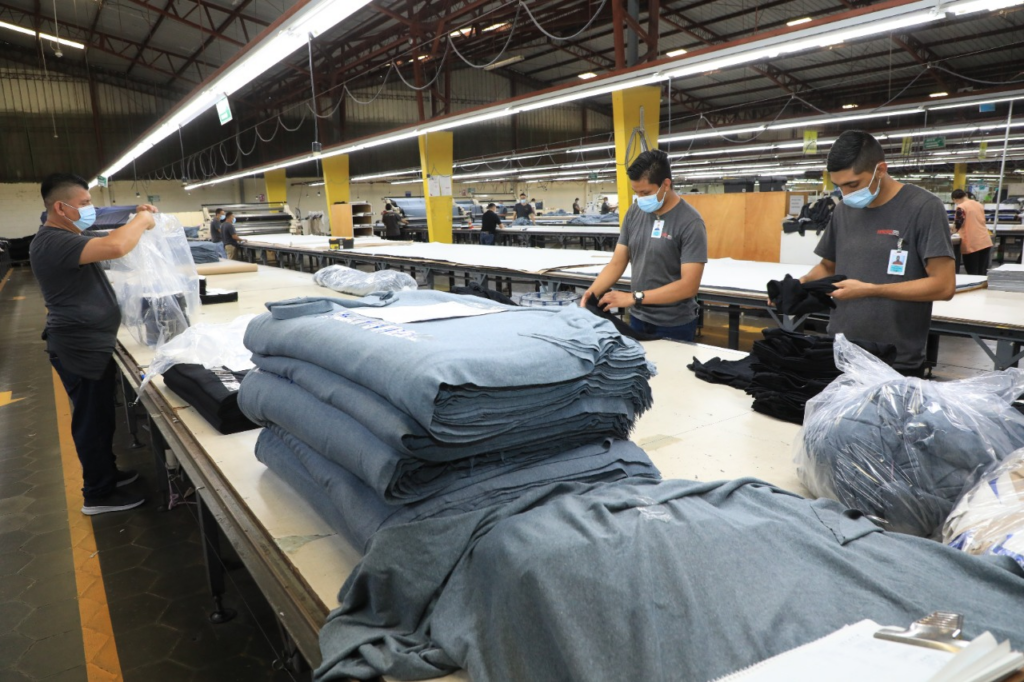
Exports from El Salvador’s maquila manufacturing industry grew by 8.1% in february 2026 compared to january, rising from US$67.08 million to US$72.49 million, according to preliminary data from the Banco Central de Reserva de El Salvador (BCR).
This increase, equivalent to an additional US$5.41 million, positions the maquila sector as one of the main drivers of foreign trade at the beginning of 2026. Although the country’s total exports experienced a slight decrease (from US$559.4 million in january to US$521.4 million in february), the dynamism of this sector helped sustain the overall performance.
Maquila subsectors maintain upward trend
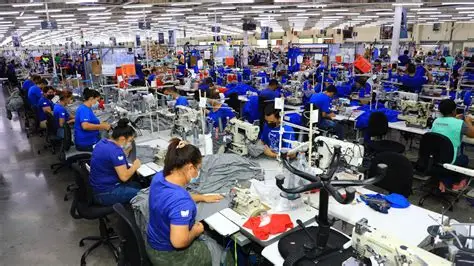
The growth of the maquila sector was reflected in all its branches. The knitwear segment stands out, rising from US$27.97 million to US$33.56 million, representing a 20.0% increase.
Other categories within the maquila sector, such as textiles and other manufactured goods, also reported increases, consolidating a positive trend in the industry.
Decline in non-maquila manufacturing
In contrast, exports from manufacturing industries in general registered an 8.2% decline, falling from US$452.72 million to US$415.9 million.
Within this group, the “other products” category remained practically stable, going from US$407.92 million to US$406.95 million. However, cane sugar showed a sharp reduction, falling from US$44.56 million to US$8.72 million, while processed coffee remained virtually unchanged at US$0.23 million.
Performance of primary activities
The agriculture, livestock, forestry, and fishing sector showed a positive variation of 9.7%, although in absolute terms it fell from US$33.83 million to US$30.52 million, according to reported data. Within this segment, green coffee reached US$26.1 million, compared to US$27.88 million recorded in January.
Other sectors with variations
In activities with less weight in the trade balance, mining and quarrying increased from US$0.05 million to US$0.08 million, representing a 60% growth.
Meanwhile, the supply of electricity, gas, and steam experienced a significant drop of 70.0%, falling from US$4.84 million to US$1.45 million. Wholesale and retail trade, meanwhile, registered a slight increase, from US$0.88 million to US$0.95 million.
Overview
Data from the BCR compiled from customs records and classified data, shows that although overall export performance contracted monthly, the maquila industry continues to be a key pillar, driving Salvadoran foreign trade and partially offsetting the decline in other sectors.
You can also read: