

 dinero_admin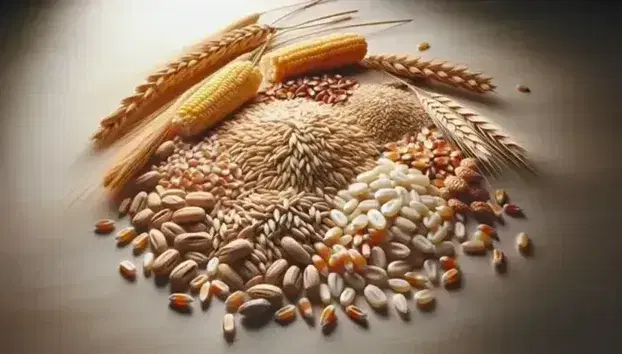
The Cámara Salvadoreña de Pequeños y Medianos Productores Agropecuarios (CAMPO) projects a total cereal production of 20.6 million quintals for the 2026-2027 agricultural cycle in El Salvador. This figure includes key crops such as corn, sorghum, rice, and beans, which are fundamental for national food supply and the economic activity of the agricultural sector.
According to the association, corn will continue to be the main crop produced in the country, with a projected 15.9 million quintals for the next agricultural cycle, solidifying its position as the most important staple grain in national production.
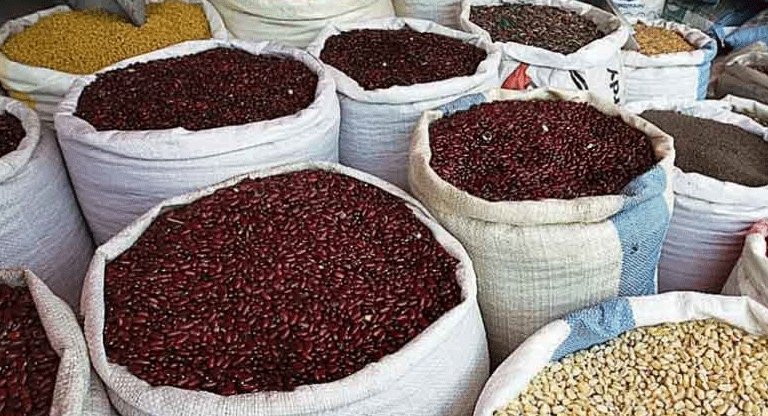
CAMPO also indicated that sorghum, rice, and beans will be an important part of the agricultural production projected for the 2026-2027 period, although some of these crops will continue to experience deficits because national consumption exceeds domestic production capacity.
The institution highlighted the significant role agriculture plays in the salvadoran economy, both in food production and in job creation and investment linked to the agricultural sector.
According to CAMPO’s projections, agricultural producers are expected to invest over US$682 million during the 2026-2027 agricultural cycle. These resources are earmarked for land preparation, seeds, fertilizers, inputs, irrigation systems, and other production-related activities.
The association also indicated that El Salvador continues to experience different planting seasons throughout the year, including the first, second, and irrigated seasons, allowing for sustained agricultural activity during various periods and diversifying national production.
CAMPO also warned that one of the main challenges for Salvadoran agriculture continues to be climate variability and the risks associated with phenomena such as droughts, excessive rainfall, and water shortages, factors that can directly affect production levels.
Given this scenario, the institution considers it necessary to strengthen agricultural modernization strategies, incorporate technology, and implement climate adaptation measures to protect food production and improve the sector’s sustainability.
CAMPO also highlighted the importance of promoting actions that will increase national productivity, reduce agricultural deficits, and strengthen the country’s food security, considering the growing domestic demand for staple grains.
Despite the identified challenges, the projected production of 20.6 million quintals reflects that the agricultural sector maintains significant productive activity for national supply and continues to be one of the economic pillars linked to food production in El Salvador.
You can also read: