

 dinero_admin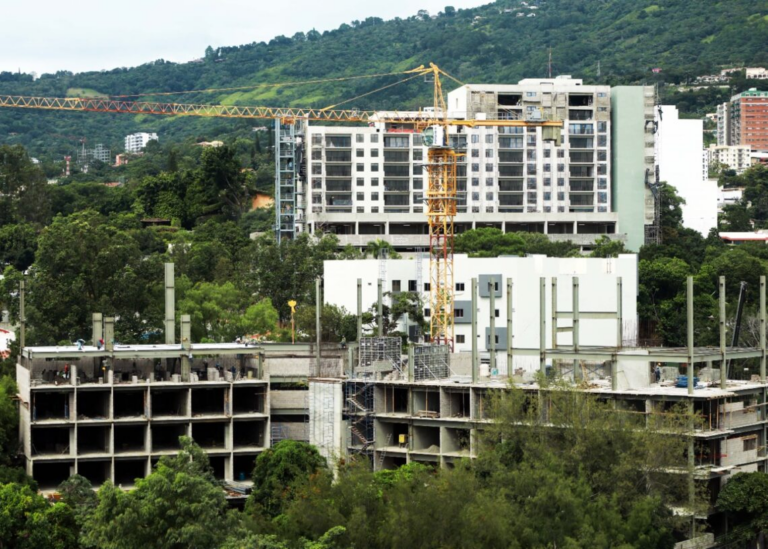
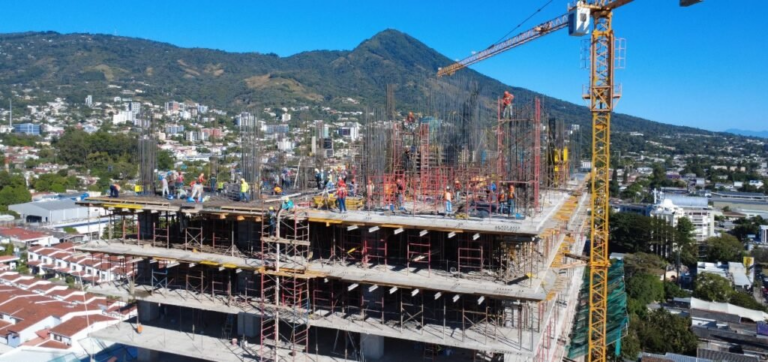
An investment of nearly US$6 billion is linked to a portfolio of more than 500 projects underway in the San Salvador Metropolitan Area, reflecting the continued dynamism of the construction sector and the interest of investors in developing new projects in the country, according to data from the Oficina de Planificación del Área Metropolitana de San Salvador (OPAMSS).
Within this portfolio, 89 high-rise residential projects stand out, representing a transformation in the housing supply and urban development of the metropolitan area. These are complemented by projects involving shopping centers, logistics centers, residential complexes, and new road infrastructure, which expand construction activity and generate demand for other related sectors.
The dynamism of these projects coincides with the growth registered by the construction sector, which advanced 13.5% during the first six months of the year, according to figures from the Banco Central de Reserva (BCR). The sector’s performance positions it as one of the main drivers of the economy, due to its capacity to mobilize investment, generate jobs, and stimulate activities related to materials, transportation, services, and commerce.
Construction activity is also developing within a context of economic growth. The BCR reported that the salvadoran economy grew by 4.8% during the first quarter of 2016, while the Economic Activity Volume Index (IVAE) registered an annual increase of 5.6%. These indicators reflect greater activity in sectors such as industry, commerce, and services.
Added to this scenario is the performance of industrial production, which accumulated growth of 4.3% through june, driven by manufacturing, mining and quarrying, electricity, and water. Meanwhile, the financial system closed the first half of the year with year-on-year growth of 8.5%, with a loan balance of US$21,804.4 million, demonstrating greater financial activity and the availability of resources for businesses and households.
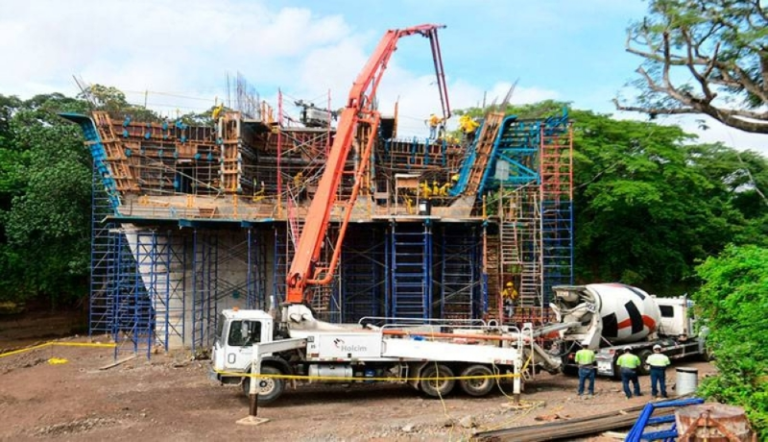
In this context, the investment of nearly US$6 billion in ongoing projects represents one of the main indicators of the activity taking place in the construction sector. The development of new buildings and infrastructure not only modifies the urban environment but also generates economic linkages and job opportunities in various activities.
The number of projects registered by OPAMSS also shows that growth is not concentrated in a single project but rather reflects a broad portfolio of investments. High-rise residential projects, along with commercial, logistics, and infrastructure developments, reflect an expansion of construction activity and greater participation of private investment in urban development.
You can also read: