

 dinero_admin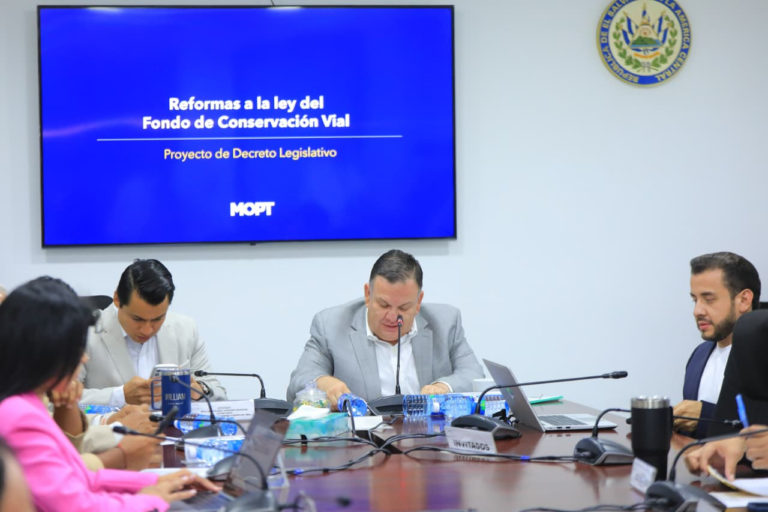
The Finance and Special Budget Committee ruled in favor of reforming the law that regulates the Fondo de Conservación Vial (FOVIAL), with the aim of expanding its powers and allowing it to participate in projects related to road infrastructure and associated services. The proposal seeks to give it new tools to develop infrastructure projects and strengthen the institution’s financial sustainability.
One of the main modifications would allow FOVIAL to establish or participate in partnerships of any kind, provided that these carry out activities related to the rehabilitation, maintenance, operation, or exploitation of the road network and other related services. The institution could also acquire, subscribe to, manage, and dispose of shares, as well as participate in processes of transformation, merger, modification, or liquidation of the partnerships in which it holds a stake.
During the analysis of the initiative, the Minister of Public Works, Romeo Rodríguez, explained that the reform seeks to bring FOVIAL in line with other autonomous institutions that already have the authority to participate in mixed-economy partnerships. According to Rodríguez, this tool would allow for the incorporation of the private sector in certain infrastructure projects and the distribution of responsibilities among the parties.
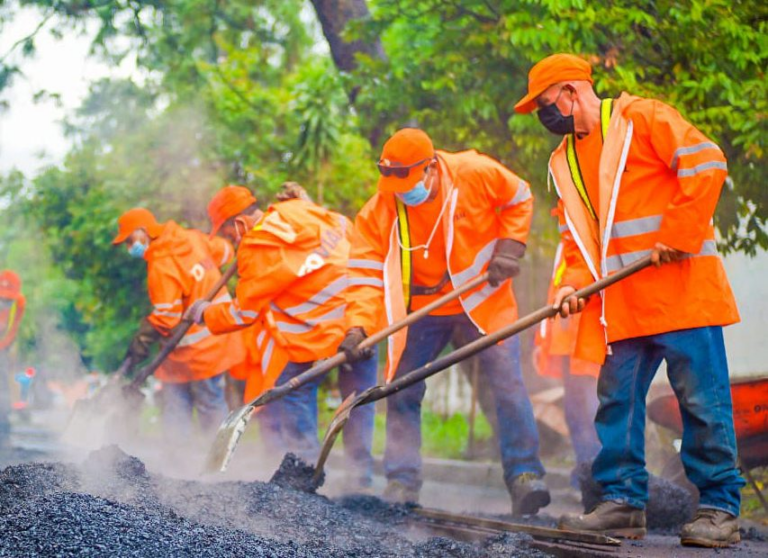
As an example, Rodríguez mentioned the possibility of developing transportation terminals through partnerships, where businesspeople could contribute land and participate in the execution of the works. He also noted that the mechanism could be used in projects such as the management of the cable car system, allowing for a more efficient organization of its operating costs and the revenue obtained through fare payments.
The proposal stipulates that any transaction involving partnerships must be authorized by the FOVIAL Board of Directors. Furthermore, before making an investment, the institution would have to conduct technical, economic, financial, and legal studies demonstrating the suitability and viability of the transaction.
Another key point is the protection of public finances. The reform establishes that transactions must not compromise FOVIAL’s financial sustainability or generate disproportionate risks for the State. It also includes mechanisms for control, auditing, transparency, and accountability, as well as provisions to protect the public interest and guarantee the continuity of services.
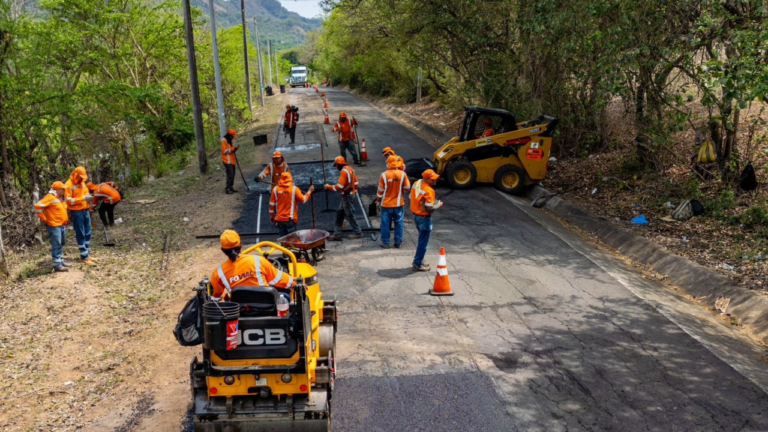
The modifications would also allow FOVIAL resources to be used to make contributions, acquire, or subscribe to shares in companies related to its objectives. However, these funds could only be used for such operations when they are not needed to fulfil their primary road maintenance obligations.
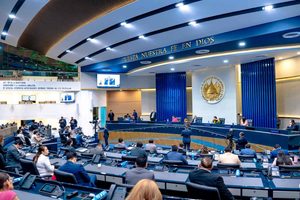
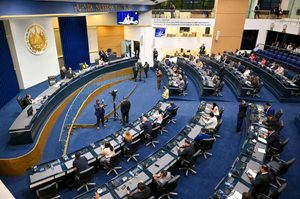
Congresswoman Dania González emphasized that strengthening FOVIAL’s legal framework would provide the institution with more tools to respond to the country’s infrastructure needs. The bill approved by the committee must now move to the full legislature, where representatives will discuss and decide on the potential approval of the reforms.
You can also read: