

 dinero_admin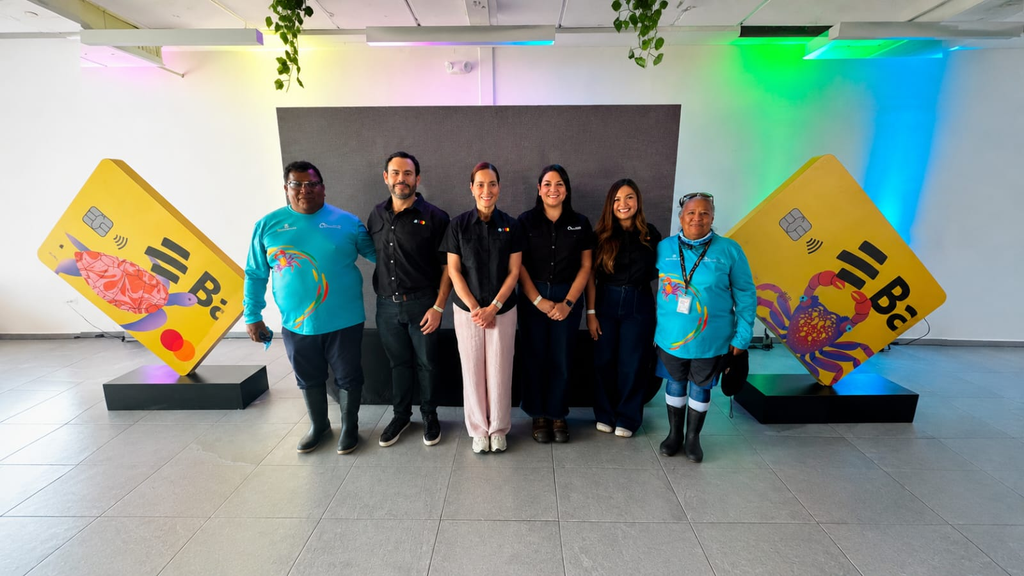
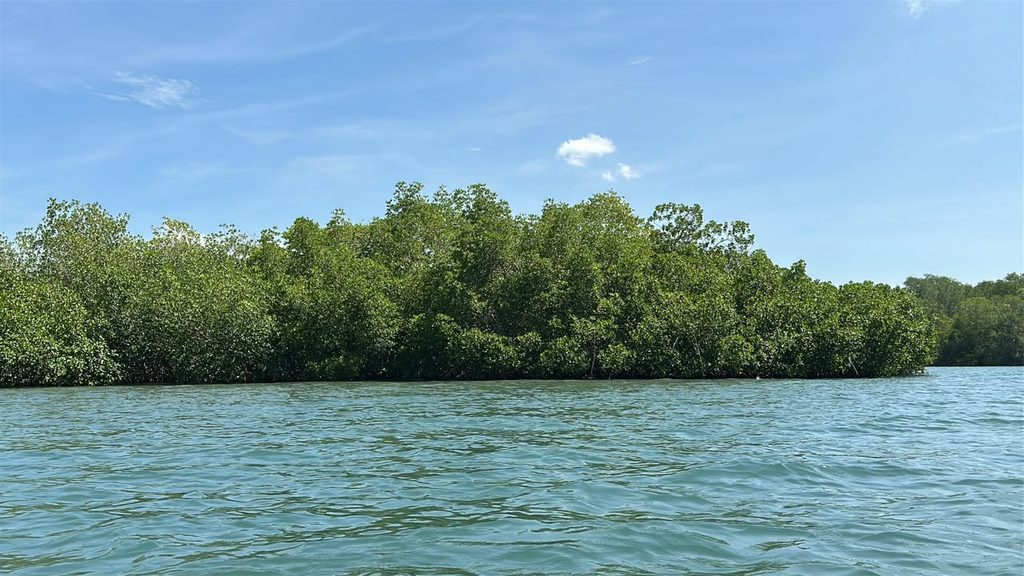
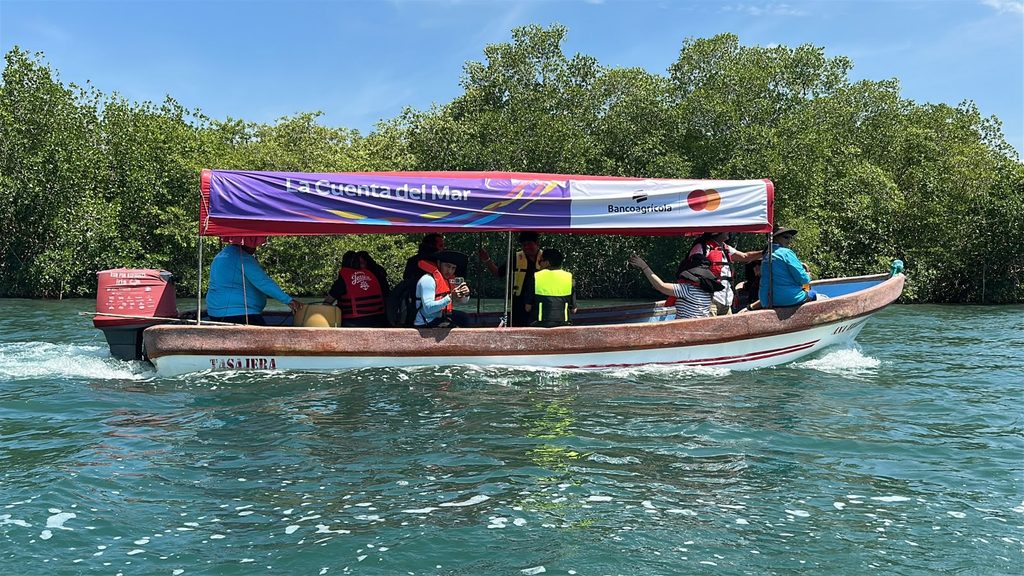
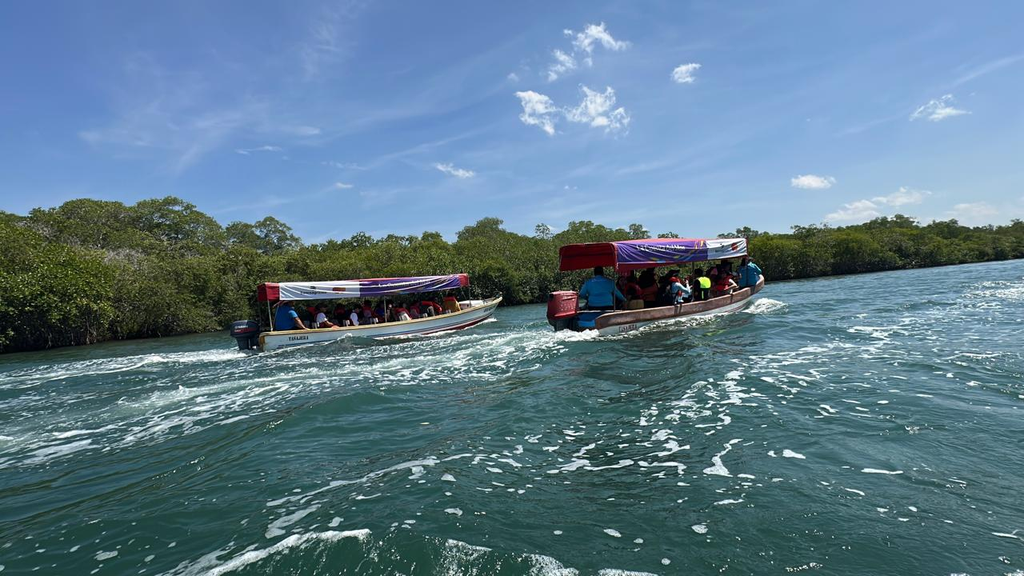
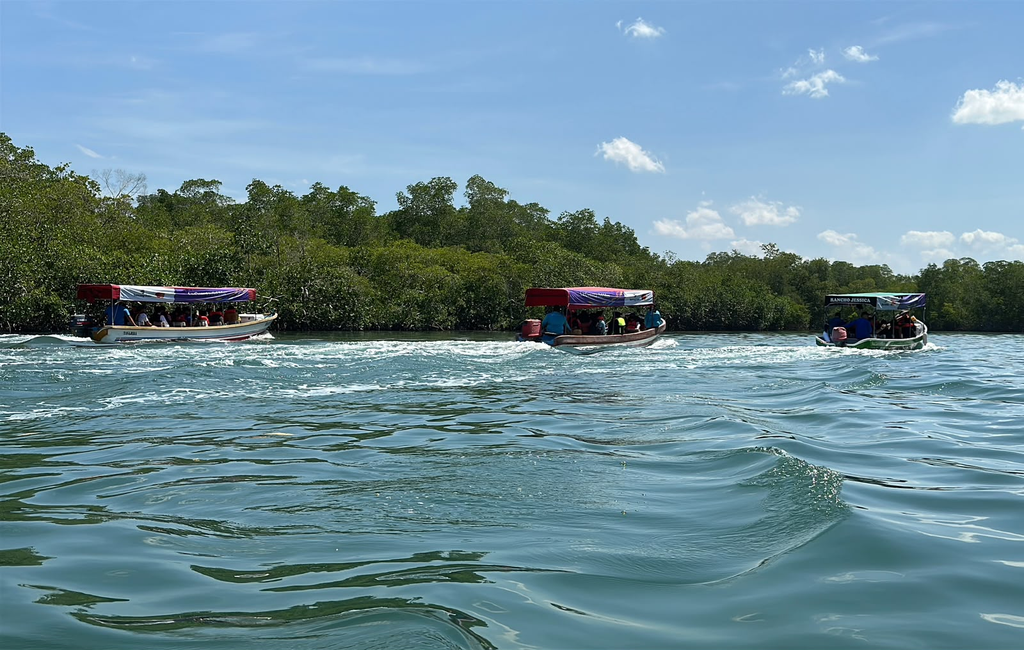
La Cuenta del Mar continues to grow. Bancoagrícola and Mastercard presented the third phase of this initiative, which since 2023 has promoted mangrove restoration, the recovery of fisheries resources, and the strengthening of communities connected to the Jaltepeque Estuary.
As part of this long-term commitment, Bancoagrícola has allocated US$267,000 in donations for the development of the three phases of La Cuenta del Mar, with contributions of US$89,000 for each stage of the project.
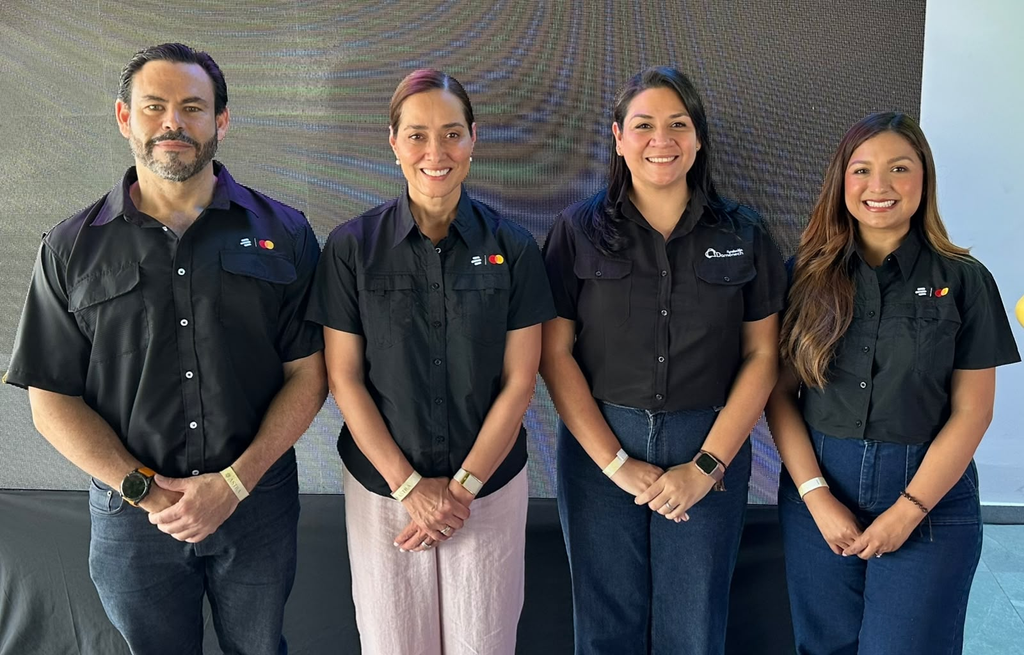
Through its partnership with Fundación Doménech, over a three-year period, La Cuenta del Mar has contributed to the rehabilitation of more than 18 kilometers of estuarine channels, the planting of more than 2,000 red mangrove seedlings, the release of 400,000 marine shrimp postlarvae, the collection of more than 10,600 pounds of solid waste through land-based cleanup efforts, and more than 5,900 pounds of waste removed through underwater cleanups.
“Promoting sustainable development means acting consistently and generating results that improve people’s lives. For three years, through La Cuenta del Mar, we have promoted actions that contribute to the recovery of strategic ecosystems and the strengthening of the communities that depend on them. This new phase reflects our conviction that when we join forces, we can generate well-being for communities, the environment, and the future of El Salvador,” said Rafael Barraza, CEO of Bancoagrícola.

During the first months of Phase III, the project has intervened in 5.05 kilometers of estuarine channels, released 200,000 marine shrimp postlarvae, and continued promoting restoration, cleanup, and community-strengthening efforts.
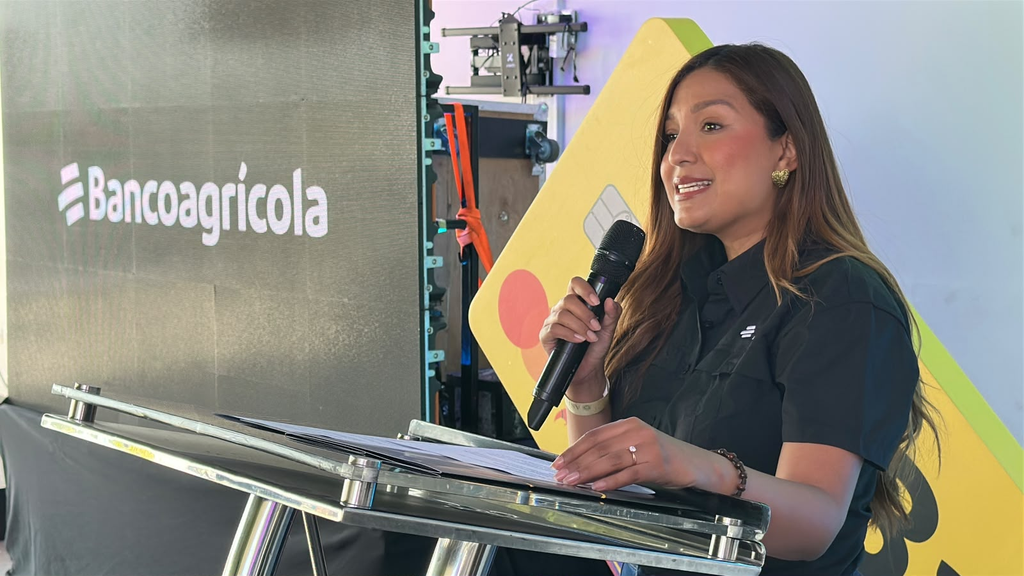
MariLuz Castellanos, Bancoagrícola’s Head of Brand, highlighted the initiative’s progress and explained that the third phase introduces new ways for the public to participate.
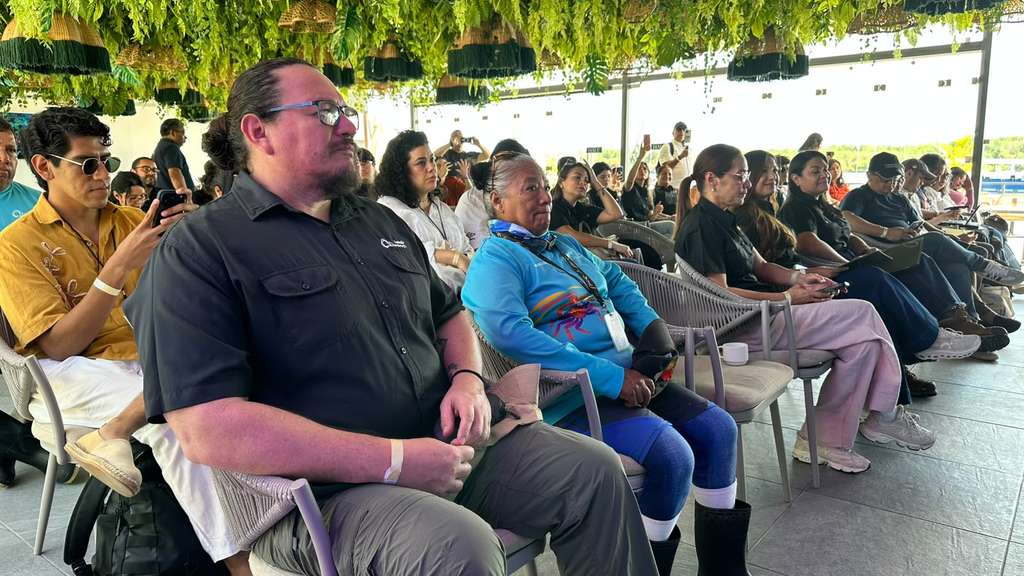
“We are very pleased because we have managed to intervene in more than 20 kilometers of channels through the Mangrove Ecological Restoration technique, as well as remove more than 16,000 pounds of waste from the sea and La Puntilla beach, which will allow us to conserve and sustainably utilize mangrove resources,” Castellanos said.
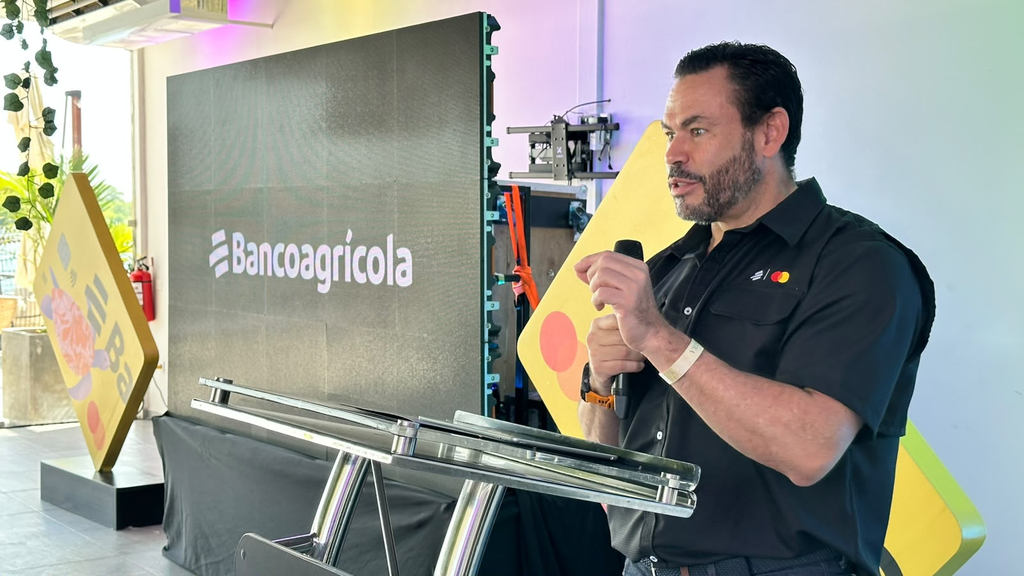
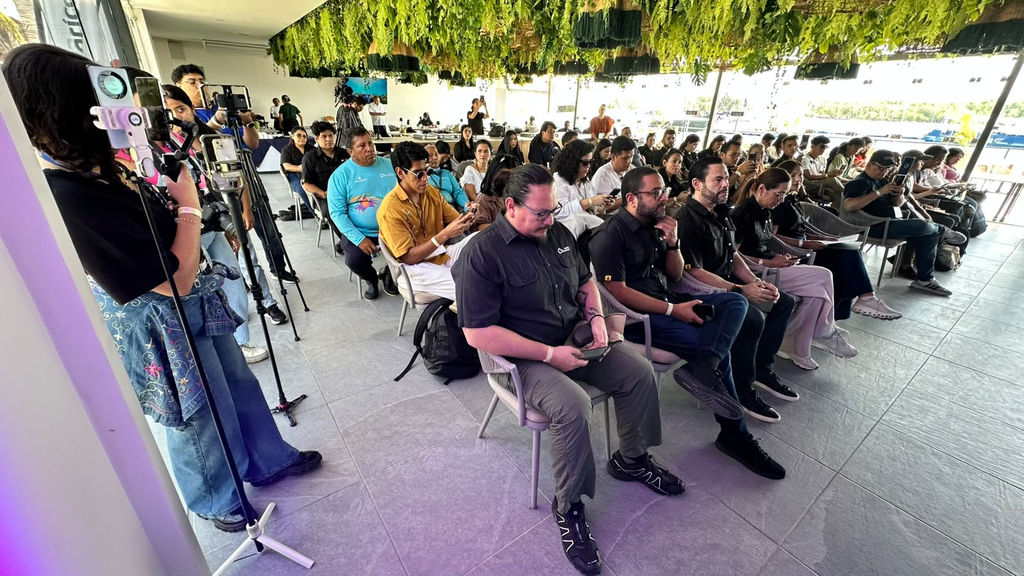
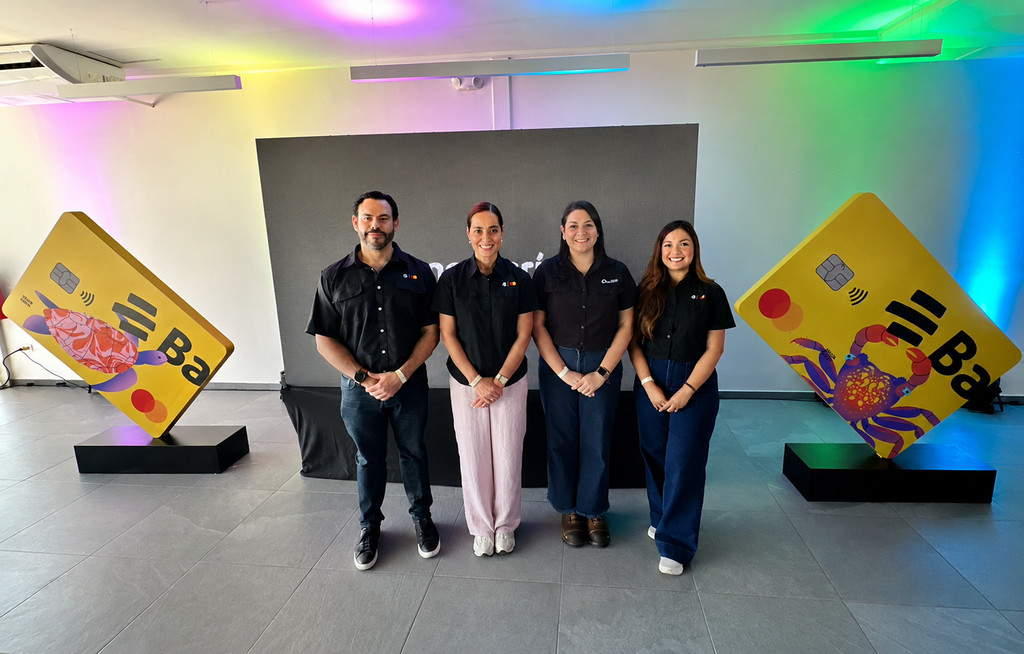
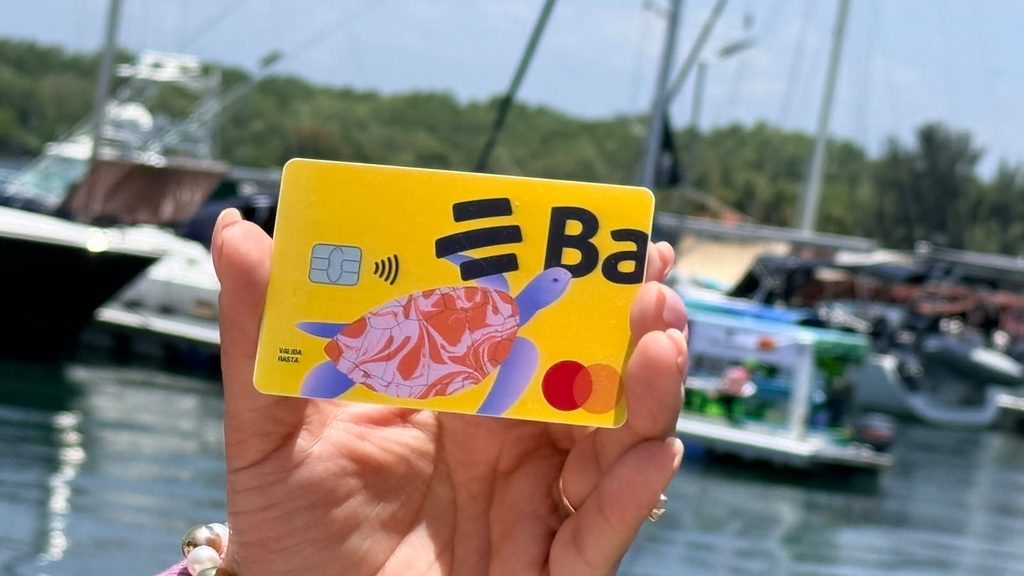
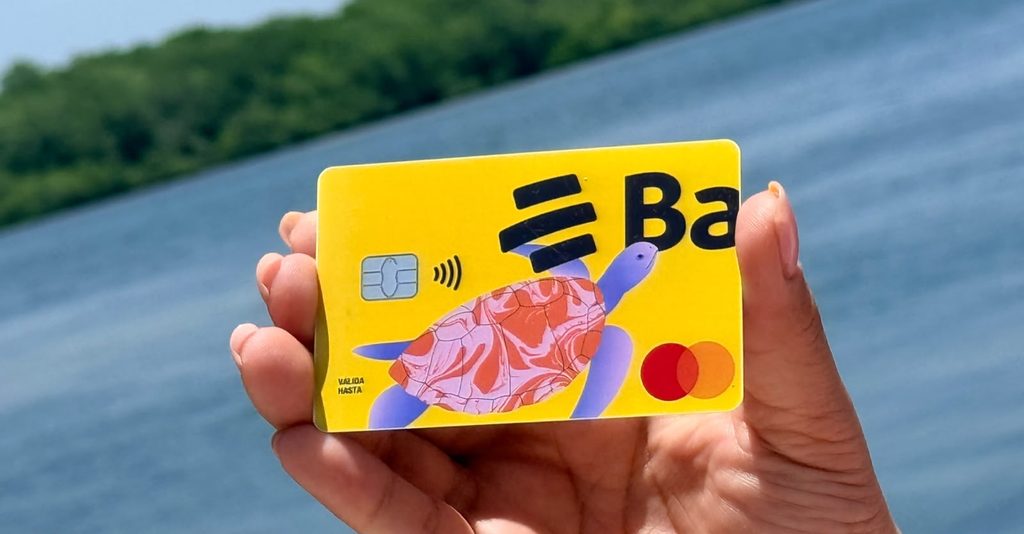
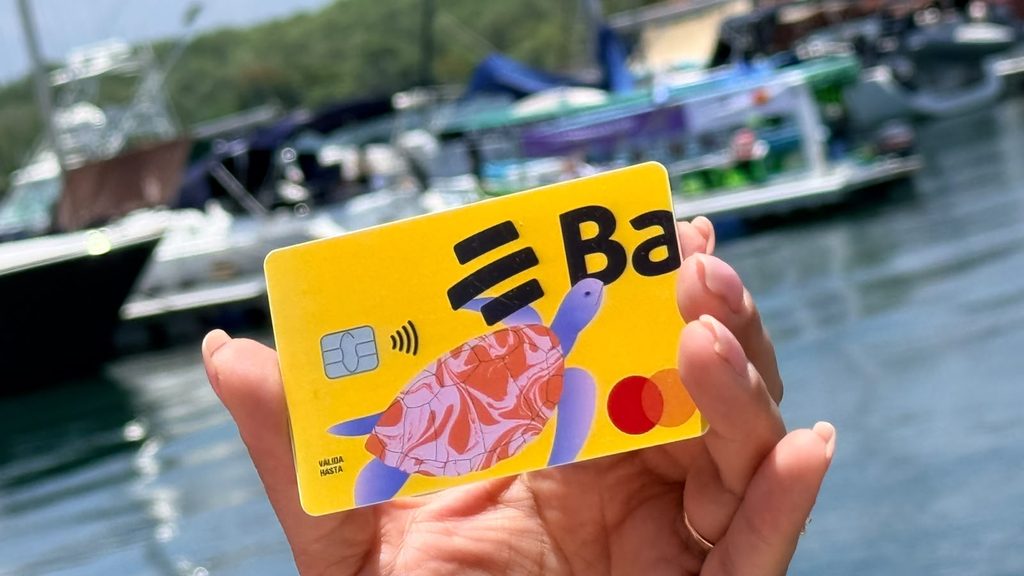
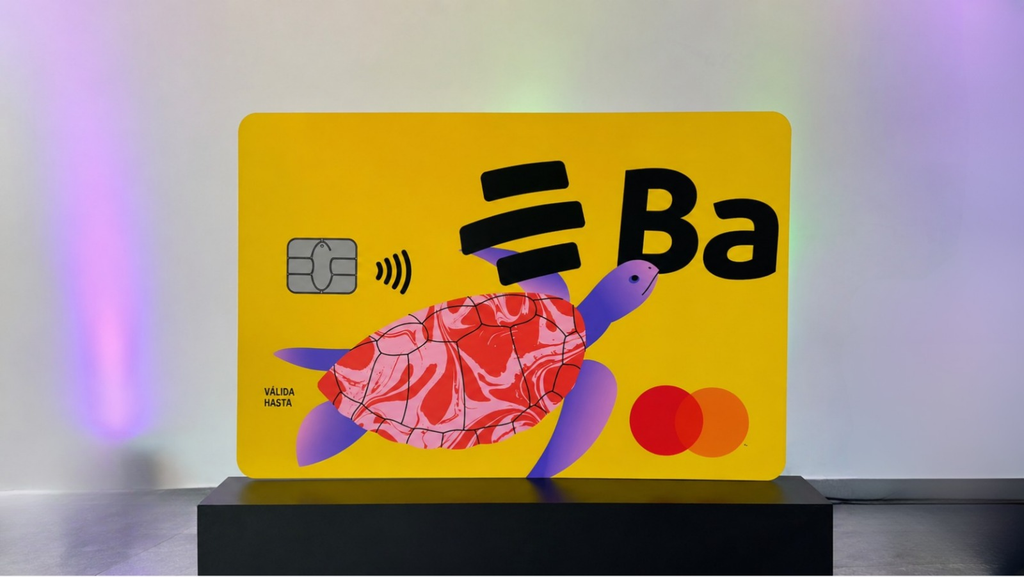
As part of this new phase, Bancoagrícola is introducing new ways for more people to join the effort. The third phase also marks the launch of the new La Cuenta del Mar Mastercard, through which Bancoagrícola and Mastercard seek to make it easier for more Salvadorans to contribute to the conservation of the country’s marine and coastal ecosystems.
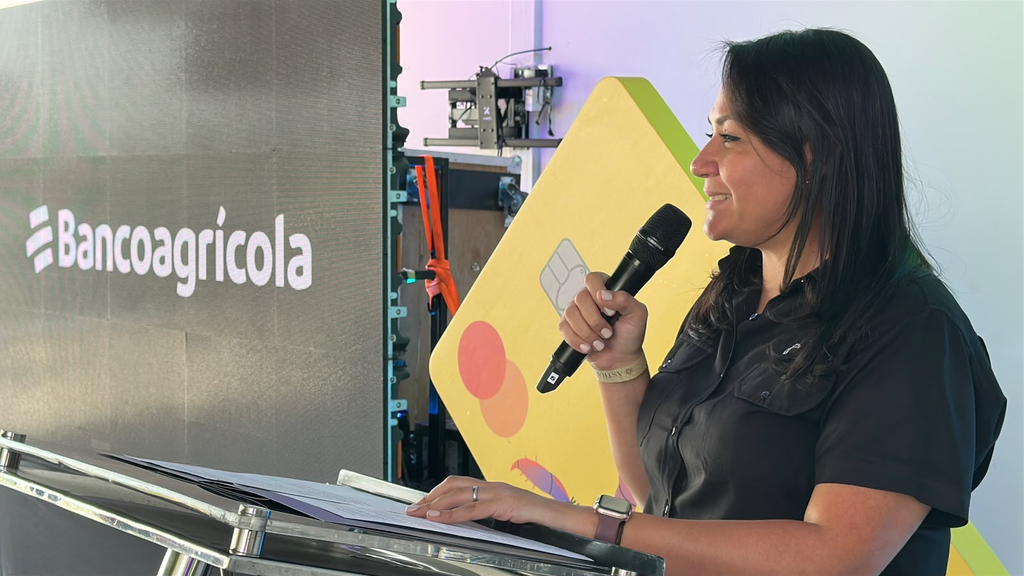
“Donations start at US$5 to help conserve three mangroves, and you can decide whether you want to make a one-time donation or contribute monthly,” Castellanos explained.
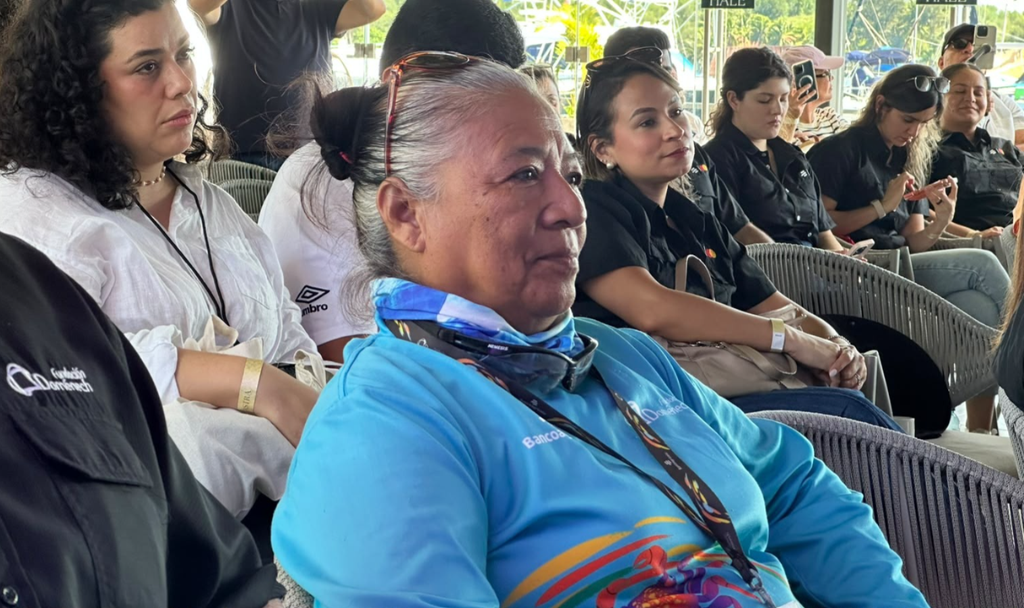
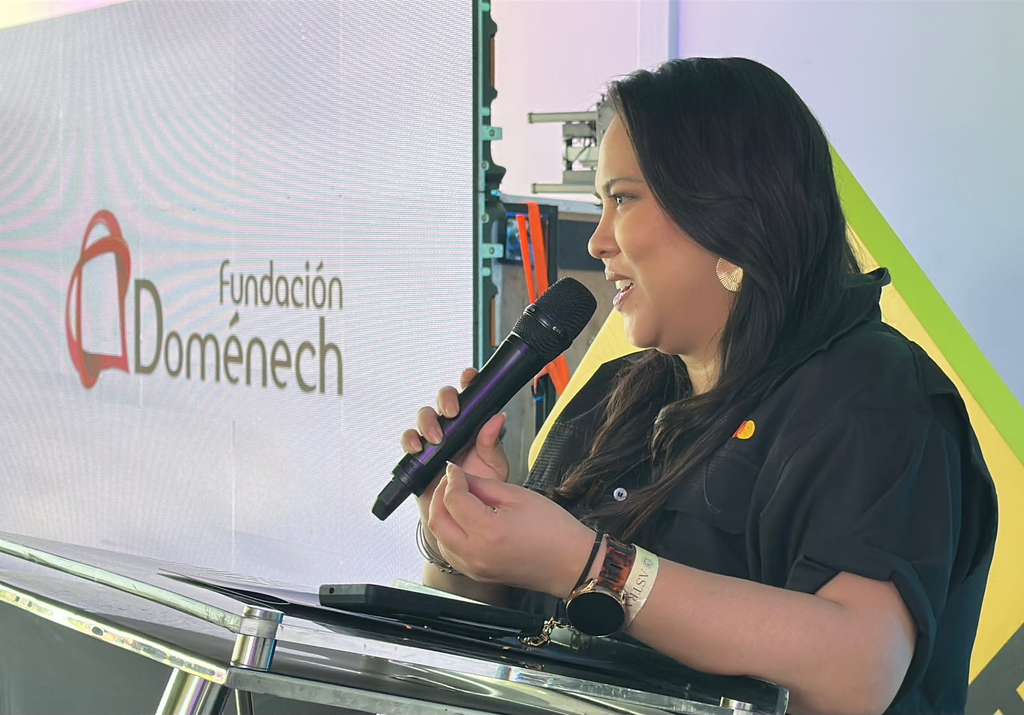
The card provides a concrete way to participate by allowing individuals to support initiatives that contribute to environmental conservation and the well-being of coastal communities across the country.
Rodolfo Zavaleta, Mastercard’s Regional Account Director, highlighted the results accumulated throughout the different phases of the project and the role of the new card.
“So far, we have achieved cumulative investments of US$260,000, and we have also achieved tangible results. We have released 400,000 shrimp postlarvae, rehabilitated 20 kilometers of estuarine channels, and planted 2,000 mangroves. In addition, and no less importantly, we have collected more than 16,000 pounds of waste and debris,” he said.
In this third phase, Mastercard is participating through the launch of the La Cuenta del Mar debit card, a tool that will allow voluntary donations to the initiative implemented by Fundación Doménech in the Jaltepeque Estuary.
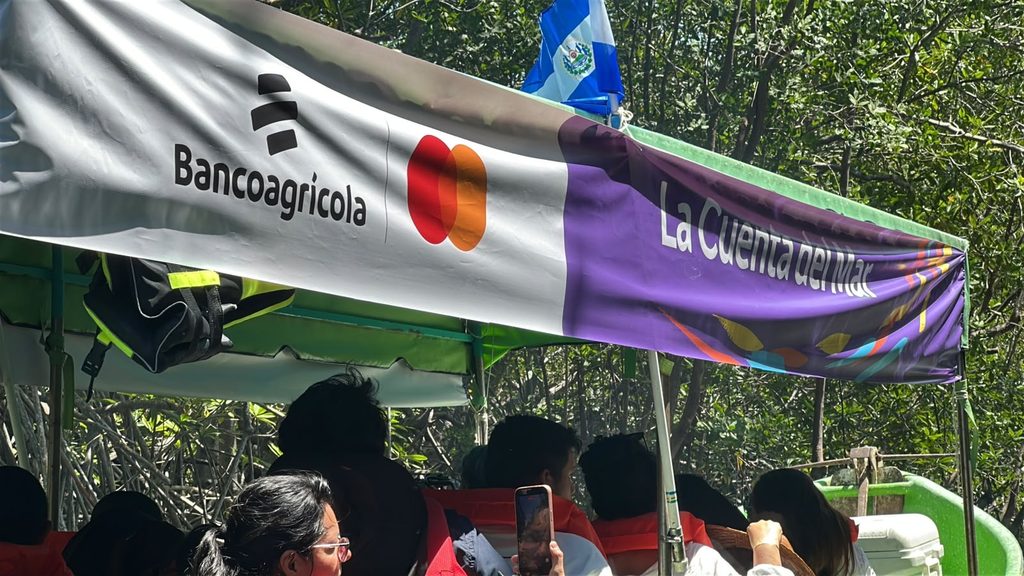
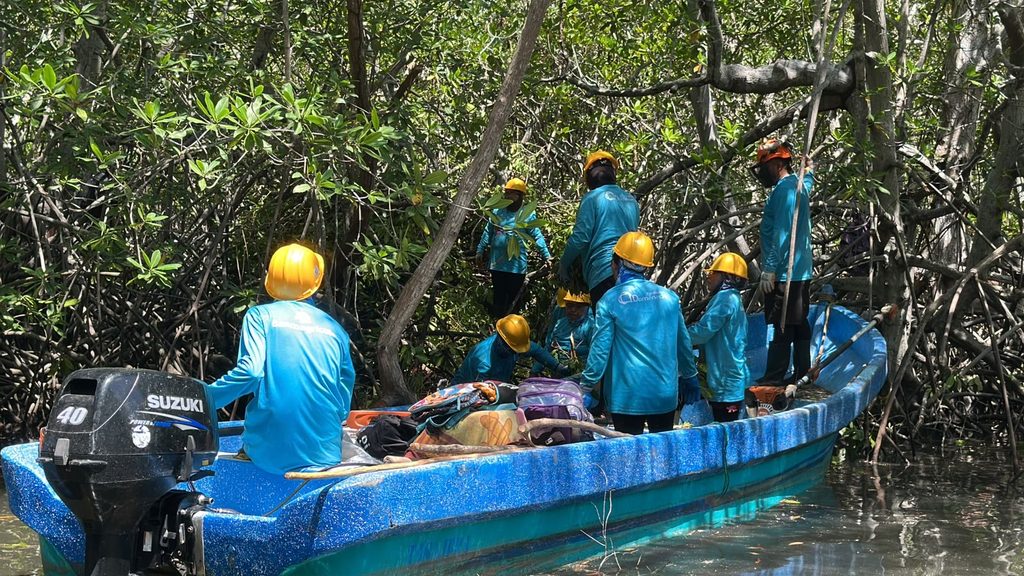
Thanks to the partnership with Mastercard, Salvadorans will be able to make voluntary contributions in a simple and accessible way. With a US$5 donation, individuals can help conserve up to three mangroves.
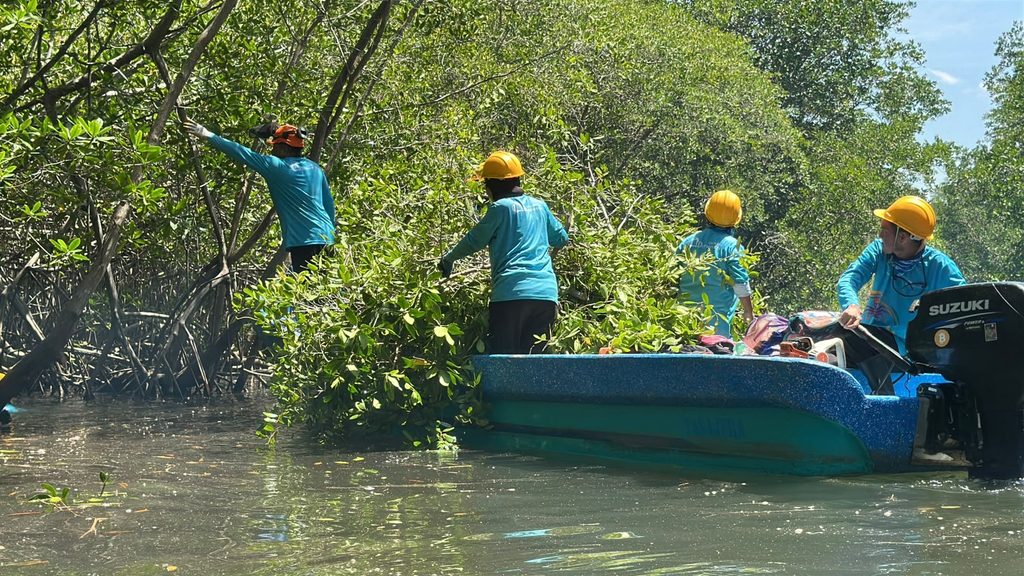
The implementation of La Cuenta del Mar continues alongside Fundación Doménech. Mauricio Velásquez, a biologist with the organization, explained that the actions carried out seek to restore the water flow through the channels to improve the health of the ecosystem.
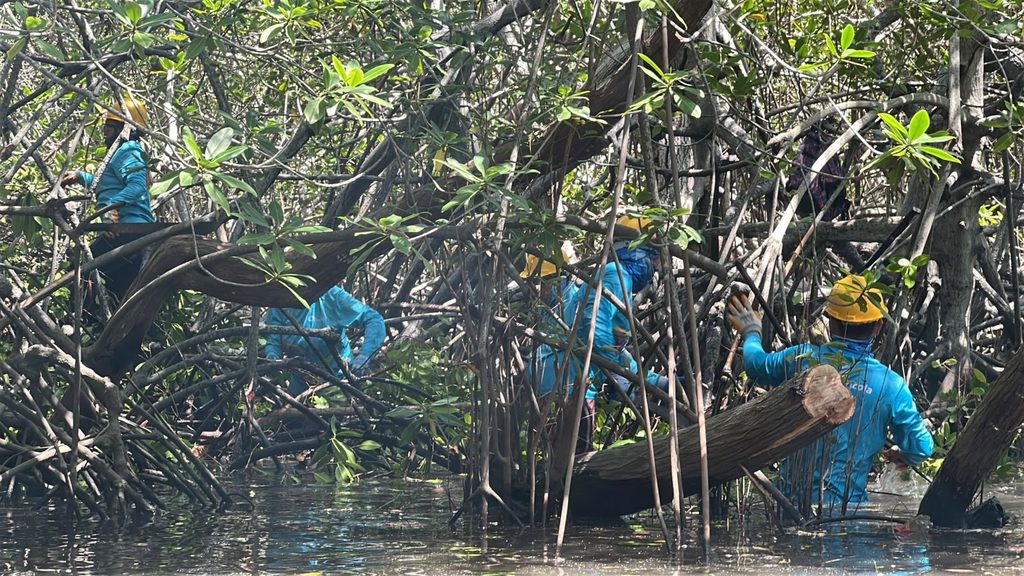
“Through this rehabilitation and restoration of the water flow, we ensure that water flows and reaches where it needs to go. The crews work on secondary and tertiary channels to restore this water flow,” Velásquez explained.
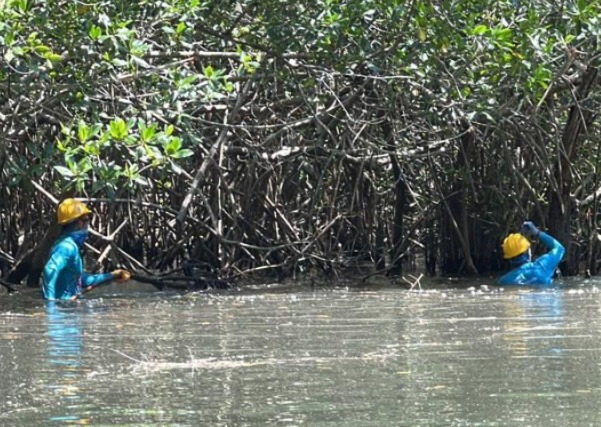
The biologist also highlighted the importance of mangroves for environmental balance and for the species that depend on these ecosystems.
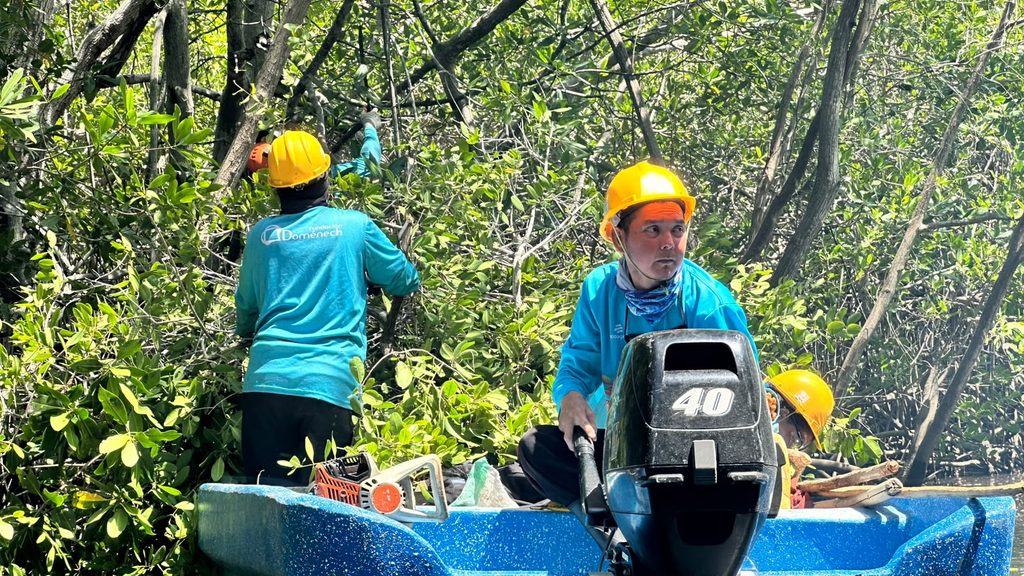
“The ecosystem services provided by mangroves are very important: they serve as barriers and also as breeding grounds for many species. One of their most important functions is carbon capture, providing what is known as blue carbon,” he said.
The project’s impact also directly reaches communities that depend on natural resources and the economic activities developed in the area. Victoria Peraza, a resident of Tasajera Island and a beneficiary of the project, said the initiative creates opportunities for numerous families.
“Yes, there are 30 families who are benefiting from the project,” she said.
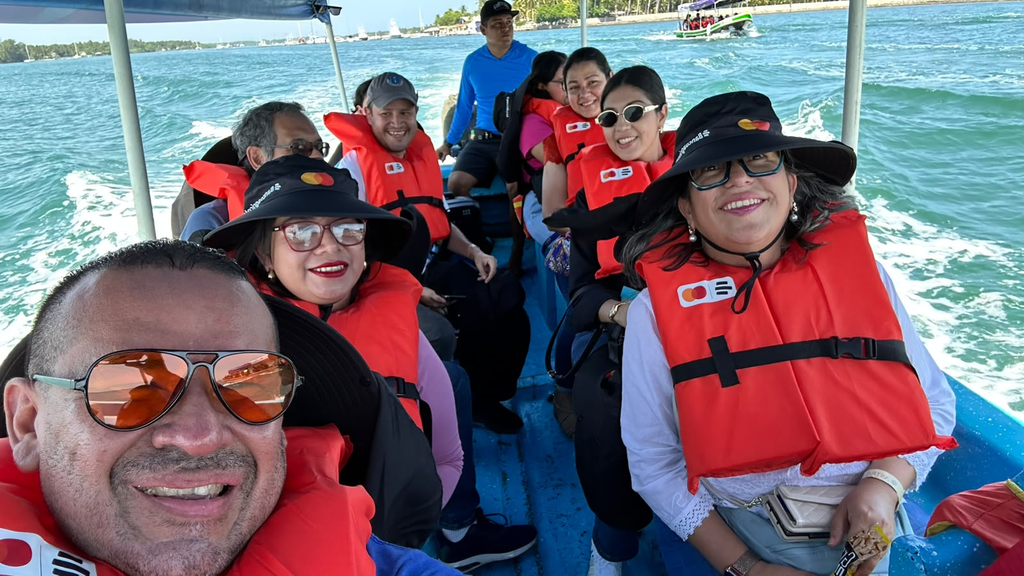
With this third phase of La Cuenta del Mar, Bancoagrícola and Mastercard reaffirm their commitment to sustainable development and expand opportunities for more Salvadorans to participate in mangrove conservation and contribute to the well-being of coastal communities throughout the country.