


 dinero_admin
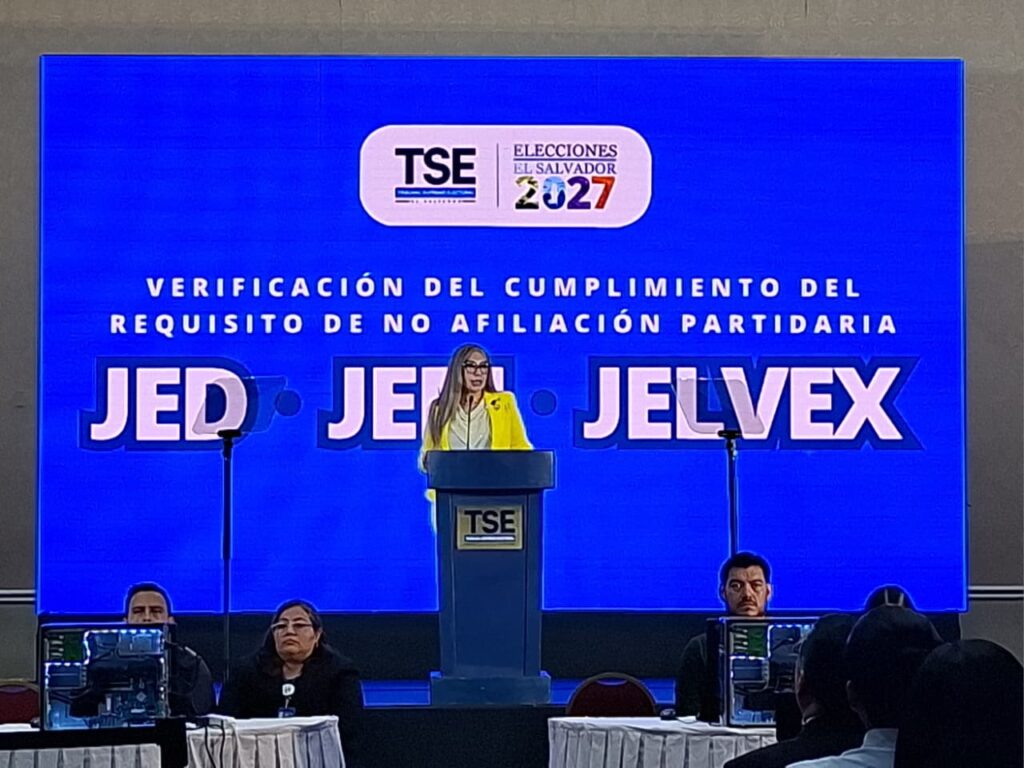
The Tribunal Supremo Electoral (TSE) has begun the process of verifying the non-affiliation requirement for individuals proposed to serve on Juntas Electorales Departamentales (JED), Juntas Electorales Municipales (JEM) and Junta Electoral de Voto en el Extranjero (JEX), as part of the electoral calendar leading up to the 2027 elections.
During a press conference, TSE President Roxana Soriano explained that this procedure aims to ensure that the members of these temporary bodies meet legal requirements and act based on principles of independence, impartiality, and respect for the legal framework.
“Those who make up these temporary bodies will assume decisive roles in the administration, conduct, and safeguarding of the vote”, Soriano noted, highlighting the importance of ensuring their composition meets the standards established by electoral legislation.
The TSE President detailed that the verification is conducted in accordance with Article 92 of the Electoral Code regarding JEDs, Article 97 regarding JEMs, and Article 8 of the Special Law for the Exercise of the Right to Vote Abroad, applicable to the JEX.
How the verification works
The process involves the participation and supervision of political party representatives, who first inspect the equipment used to ensure there are no unauthorized data storage devices present.
The computers used do not have hard drives; instead, they operate using a USB drive containing the operating system. The TSE clarified that these units are physically distinct from the USB drives provided to the political parties.
The procedure begins with a data audit. Party representatives insert their respective USB drives into the assigned computers and run tests to verify data consistency; these tests include checking for the uniqueness of DUI numbers, verifying record counts, and sampling individuals with publicly known party affiliations.
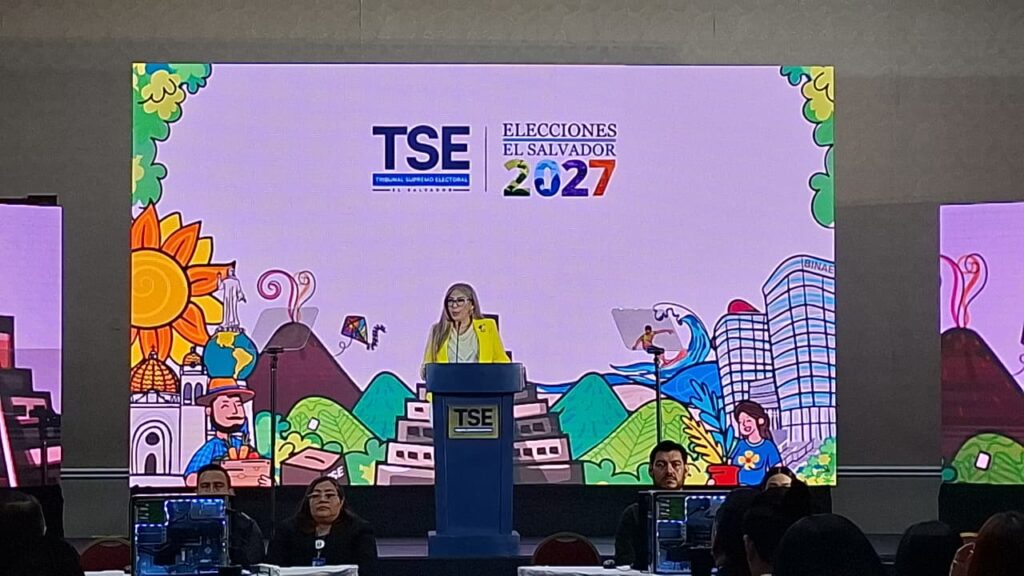
Following this audit, the records are placed in a transparent container and subsequently mixed to prevent the identification of the political party to which each one belongs.
In the second stage, the DUI numbers of individuals proposed for election board membership are compared against political party membership registries.
If the system detects a match, it indicates that the proposed individual is affiliated with a party and, therefore, does not meet the non-affiliation requirement. If no match is found, the individual meets said requirement.

The TSE will later communicate the verification results to each political party.
Finally, the electoral body stated that the information used during the process is deleted from the computers, and checks are performed to ensure no data remains stored on the equipment.
Soriano affirmed that this procedure enables the TSE to verify compliance with the non-affiliation requirement through a mechanism combining auditing, verification, and data protection, in preparation for the 2027 elections.