

 dinero_admin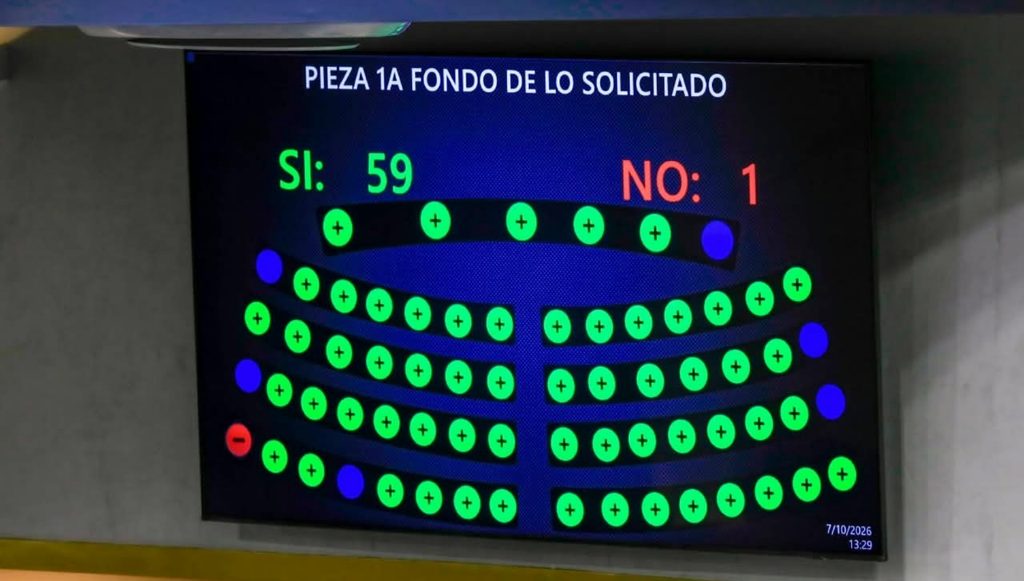
The Legislative Assembly voted 59 to 0 to declare a State of Emergency across the national territory due to meteorological and agricultural drought conditions associated with the El Niño phenomenon. The measure will remain in effect for six months and may be extended upon the request of the President of the Republic.
As stated during the 129th plenary session, El Salvador is facing a rainfall deficit, dry spells, and high temperatures, conditions that are already impacting agricultural and livestock activities. Lawmakers noted that the declaration aims to respond proactively to the potential effects these conditions could have on food production and availability.
Christian Guevara, head of the Nuevas Ideas parliamentary group, explained that the decision seeks to prevent losses in agriculture and agribusiness, as well as potential impacts on food security. According to the legislator, the goal is to act before the situation leads to crop losses, food shortages, or hardships for families.
The declaration will activate a national emergency response structure. Civil Protection will be responsible for coordinating the national plan, while the Ministry of Foreign Affairs will manage any international cooperation needed to address the situation.
The Ministerio de Agricultura y Ganadería (MAG) will play a role regarding food security and the storage of basic grains. Meanwhile, the Ministry of Defense will organize the logistics required to aid the population affected by the weather conditions.
The measure is based on Article 24 of the Law on Civil Protection, Disaster Prevention and Mitigation, which provides for the declaration of an emergency when a risk or danger caused by a natural or human-induced disaster threatens people, property, public services, or ecosystems. The planned measures include safeguarding the population’s food and nutritional security, with a focus on those affected by the weather conditions. Efforts also aim to prevent negative impacts on agricultural production, agro-industry, and livestock farming, while activating the commissions that make up the National Civil Protection System to coordinate the response.
The declaration follows the issuance of a red alert by the General Directorate of Civil Protection on august 25, 2026, specifically targeting municipalities vulnerable to water shortages, agricultural stress, and threats to livelihoods. This is compounded by the climate outlook from the Ministerio de Medio Ambiente y Recursos Naturales (MARN), which indicates that the El Niño phenomenon continues to intensify and could reach strong to very strong levels by late 2026 and early 2027.
Deputy Caleb Navarro stated that the emergency declaration is a response to the red alert and a risk assessment identifying progressive and cumulative impacts on the population. The priority, he noted, will be to protect farmers and livestock producers and to maintain the conditions necessary to ensure food security throughout the emergency period.
Read also: