

 dinero_admin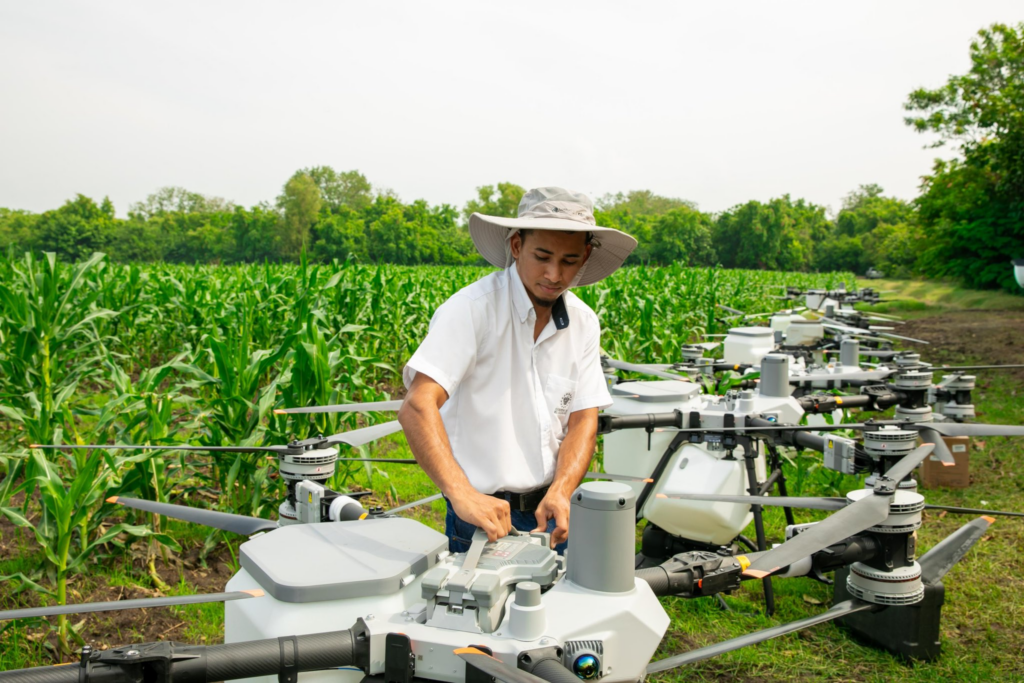
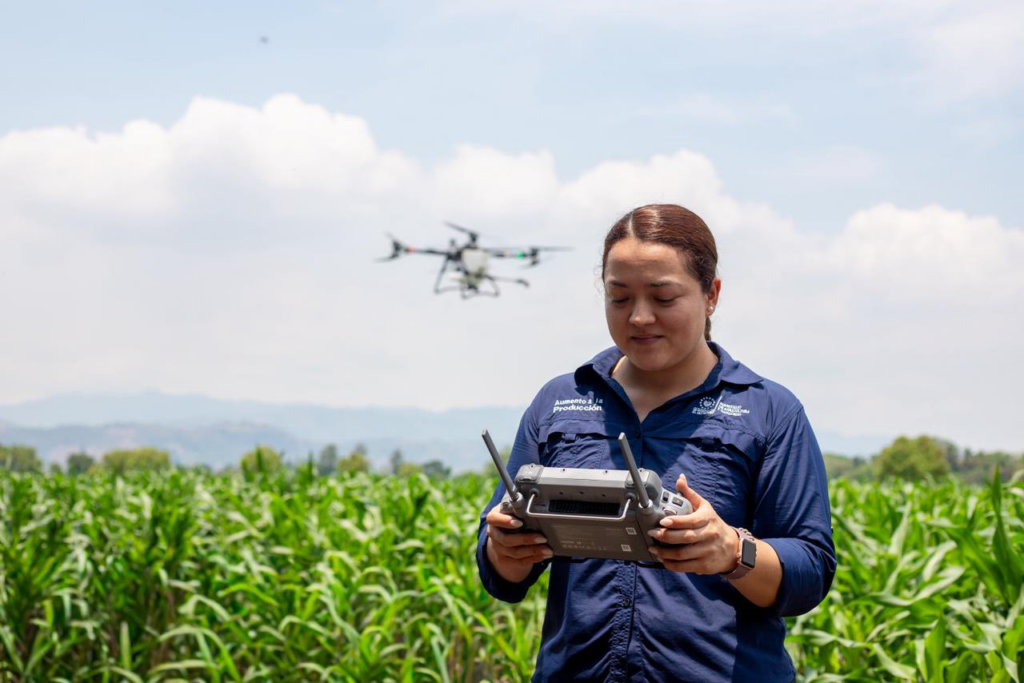
The Ministerio de Agricultura y Ganadería (MAG), through its honorary Deputy Minister Óscar Domínguez, announced the launch of a new strategic partnership with the company Agro Spray, bringing the largest agricultural drone fleet currently available to the country, focused on providing spraying and fertilization services to producers of staple grains and vegetables.
According to the ministry, this technology is now available to farmers who meet the technical requirements for their land, with the aim of facilitating access to modern tools that improve agricultural production efficiency and reduce operating costs.
One of the system’s main benefits is its speed and precision. According to the MAG, a drone can spray or apply fertilizer to one acre of land in less than 8 minutes, representing a significant advance over traditional methods.
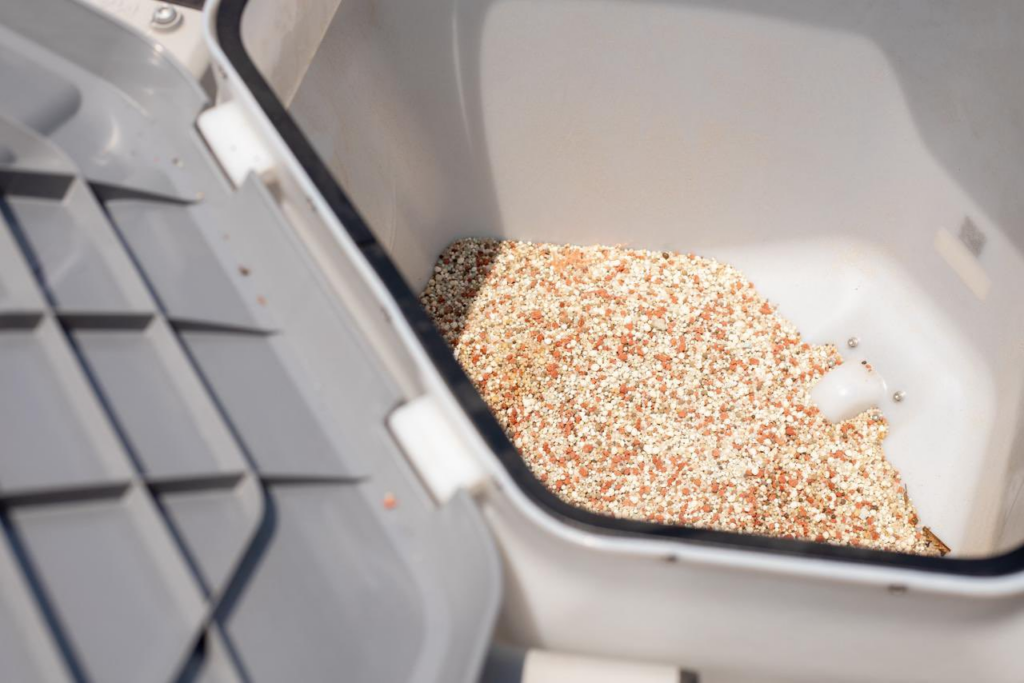
In addition, the service offers affordable rates starting at $13.50 per acre, providing farmers with a more cost-effective option. Authorities estimate that using this technology can generate savings of more than 50% compared to conventional methods of applying agricultural inputs.
Deputy minister Domínguez explained that this initiative is part of a broader strategy aimed at modernizing the country’s agricultural sector by promoting technologically advanced, resilient, and profitable agriculture. The goal, he noted, is to boost productivity and ensure the sustainability of crops in the face of current challenges.
Another key component of the agreement is free training for producers. Any farmer who already owns a drone or decides to purchase one will be able to receive specialized training at no cost, which aims to boost the adoption of this technology in the salvadoran countryside.
In addition, the MAG reported that producers interested in contracting drone services can call 6032-5903 to receive information on requirements, availability, and technical assistance.
Through this initiative, the government aims to accelerate the adoption of technological innovation in agriculture, facilitating more efficient processes, reducing losses, and improving the competitiveness of the national agricultural sector.
You may also be interested in: