

 dinero_admin
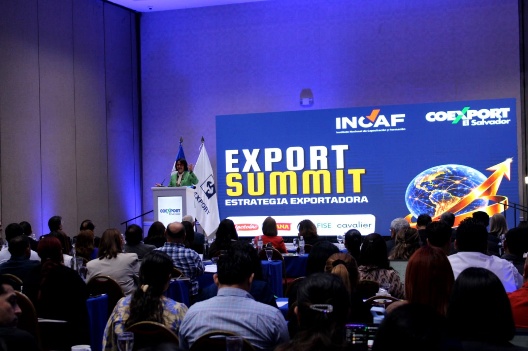
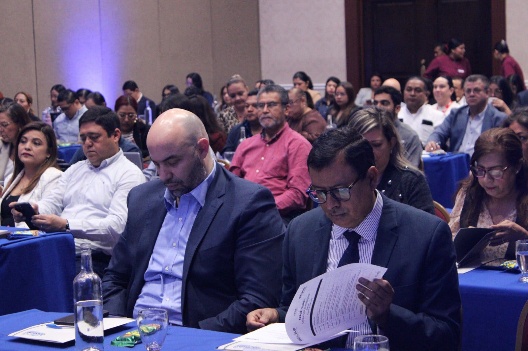
El Salvador aims to double its exports of goods and services by 2035, a goal set out in the Estrategia Exportadora 2035. The primary challenges associated with this objective were addressed during the “Export Summit”, organized by the Corporación de Exportadores de El Salvador (COEXPORT). The event brought together over 150 exporters, government officials, and specialists to analyze the conditions necessary to expand foreign sales and strengthen the presence of Salvadoran companies in international markets.
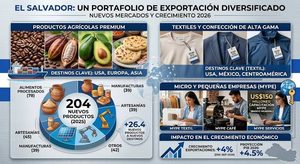
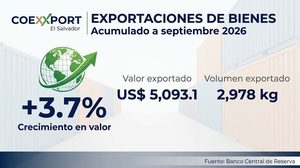
A central topic of discussion was the current composition of the country’s exports. In 2025, services generated US$6.214 billion, accounting for 49% of total exports, while goods accounted for US$6.429 billion. These figures demonstrate that both sectors play a significant role in export activity, and that future growth will depend on boosting both services and the production of goods with higher added value.
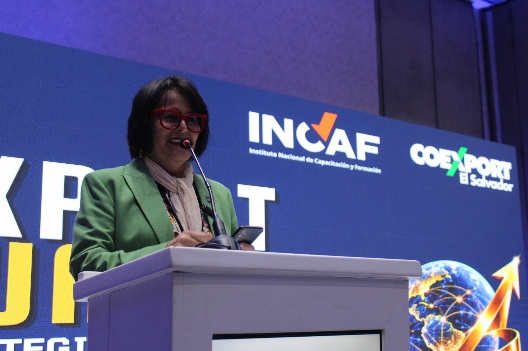
During the opening of the event, Silvia Cuéllar noted that the country must maintain a balance between the growth of the services sector and the strengthening of goods exports. The COEXPORT representative emphasized the importance of expanding productive capacity and generating greater added value, enabling companies to compete more effectively in international markets.
Another challenge identified is the need to increase the number of companies participating in foreign trade. According to data presented by international trade specialist Miguel Ángel Chévez, El Salvador has approximately 1.5 million businesses, about 98% of which are micro-enterprises. Yet, in 2025, only about 2,600 companies were engaged in exporting. This highlights the importance of facilitating the entry of more businesses into this sector and connecting them with both domestic and international supply chains.
To make progress in that direction, participants pointed to obstacles affecting competitiveness, including energy costs, difficulties in accessing financing for micro, small, and medium-sized enterprises, and the availability of technical and bilingual talent. The need to better leverage trade agreements and reduce barriers that limit the access of Salvadoran companies to new export destinations was also raised.
Investment facilitation was also part of the discussion, given its link to business expansion and the capacity to produce for external markets. Alberto Acosta, Undersecretary of Trade and Investment, explained that this effort aims to remove obstacles throughout the entire investment lifecycle, from the initial business concept to the point at which a company decides to exit the market. The 2024–2027 strategic plan includes actions such as improving the investment climate, strengthening the regulatory framework, and digitizing 50% of administrative procedures. Initiatives like the Ventanilla Única PYME were also mentioned.
Digital transformation was another topic linked to export competitiveness. Valeria Sol, CEO of MATTEO de ESA, explained how digitizing industrial maintenance processes can reduce costs, prevent disruptions, and boost productivity. She noted that a technician can lose up to 40% of their time when attempting to repair equipment without having the necessary information. For COEXPORT, the ideas discussed during the meeting will help shape proposals to strengthen the sector and serve as a foundation for the 2035 Export Strategy, with the goal of expanding international sales of goods and services and increasing the participation of salvadoran companies in global trade.
You may also want to read: