

 dinero_admin
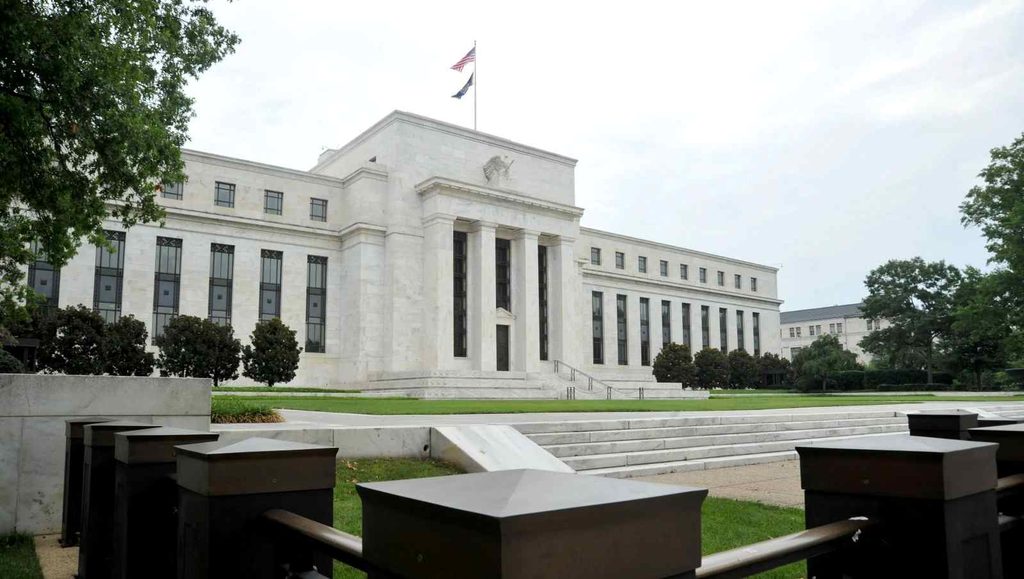
Photo: USATODAY.COM
The U.S. Federal Reserve (Fed) decided to keep interest rates unchanged in the range of 3.75% to 4%, according to an announcement by the Federal Open Market Committee (FOMC), chaired by Kevin Warsh. The decision was approved by a vote of 10 in favor and two against, against a backdrop of an economy that continues to show solid growth, but with inflation remaining above the official target.
Warsh explained that the decision aims to support the Fed’s dual mandate: maintaining price stability and promoting maximum employment. The Committee opted to keep rates at their current level while gathering more information on economic performance, price trends, and financial conditions before determining whether further adjustments will be necessary.
Inflation remains one of the main challenges for U.S. monetary policy. According to the Committee’s statement, inflation remains elevated and has not yet returned to the 2% target. Warsh reiterated that the Fed remains committed to that goal and noted that upcoming economic data will help determine the appropriate path for interest rates to move toward price stability.
Regarding economic activity, the Fed chair noted that the United States continues to expand at a strong pace. Domestic spending has proven resilient, productivity growth remains solid, and capital investment continues to be robust factors that are part of the Committee’s assessment in determining its monetary policy decisions.
The labor market is also showing signs of stability. According to the statement, job creation has kept pace with labor force growth, while the unemployment rate has remained largely unchanged. These conditions are important to the Fed, which must consider employment trends while seeking to contain inflation.
Warsh noted that the decision to keep rates unchanged does not mean the Committee has reached a definitive conclusion about future moves. During his remarks, he explained that the Fed needs to analyze the data coming in over the next few weeks before determining the most appropriate monetary stance. For this reason, he did not announce a specific commitment regarding the direction of interest rates at the next meeting.
International uncertainty is also part of the picture the Fed is assessing. Warsh cited geopolitical developments and the recent rise in energy prices as factors that could influence inflation. The Committee seeks to determine how these changes affect the economy as a whole and to prevent price pressures from spreading to other sectors.
The Fed will also maintain its policy of keeping ample reserves in the banking system. Warsh reiterated that the institution’s priority is to move toward a 2% inflation rate without losing sight of labor market conditions and economic performance. The decision to keep rates between 3.75% and 4% leaves the Fed awaiting new data to determine the next steps in its monetary policy.
You can also read: