

 dinero_admin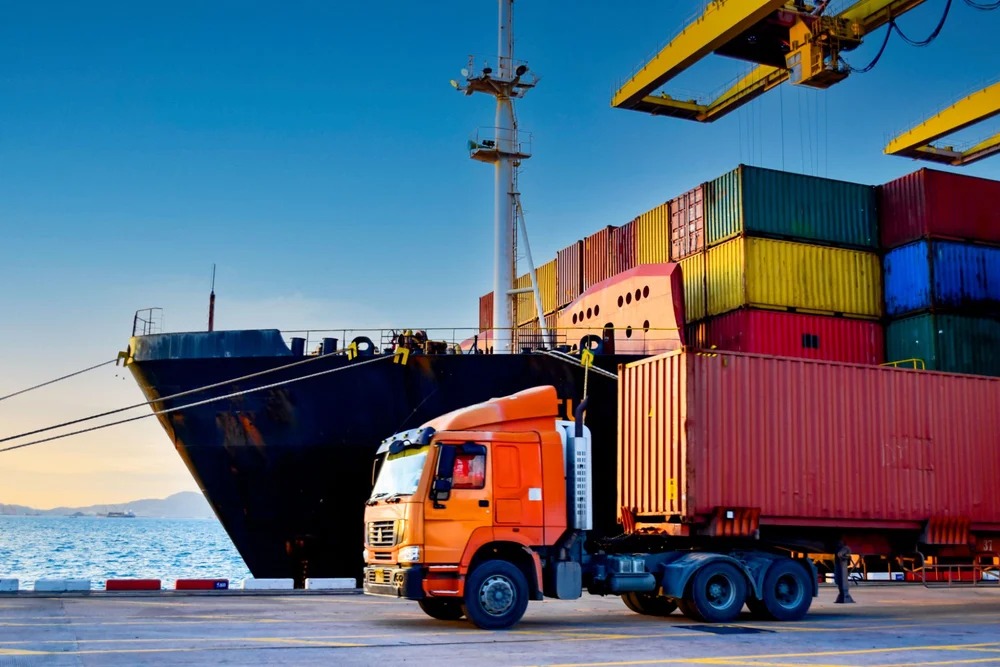
When a country increases its exports, it means it is selling a greater quantity or higher value of goods and services abroad. According to the World Bank, exports comprise the goods and services that an economy’s residents provide to the rest of the world. This indicator is part of the national accounts and allows for an assessment of how closely an economy is linked to international markets.
For an economy, selling more abroad means that companies gain access to markets beyond the domestic one. A company that sells only within its own country is limited by local consumer demand, whereas an exporting company can place its products in other markets and increase its pool of potential buyers. The World Trade Organization (WTO) notes that access to export markets can boost corporate efficiency and productivity by enabling companies to scale up production and compete internationally.
One of the immediate effects of rising exports is increased activity for companies producing goods or services designed for foreign markets. If a company receives more international orders, it may need to ramp up production, hire staff, purchase more raw materials, utilize transport services, or expand its installed capacity. This effect can also extend to other companies within their supply chain. The WTO explains that exports allow companies to reach larger markets, while the World Bank has identified a link between export growth and higher levels of employment, labor income, and productivity.
Employment is, therefore, another channel through which an increase in exports impacts the economy. When an industry succeeds in selling more abroad, it may require more workers to produce, process, package, transport, or market those goods. However, this does not mean that every increase in exports automatically generates a corresponding number of new jobs. The impact depends on the sector, productivity levels, the type of product exported, and the amount of labor required for its production. The World Bank notes that the relationship between trade and employment varies across countries and sectors, and that exports can also be associated with greater employment formalization.
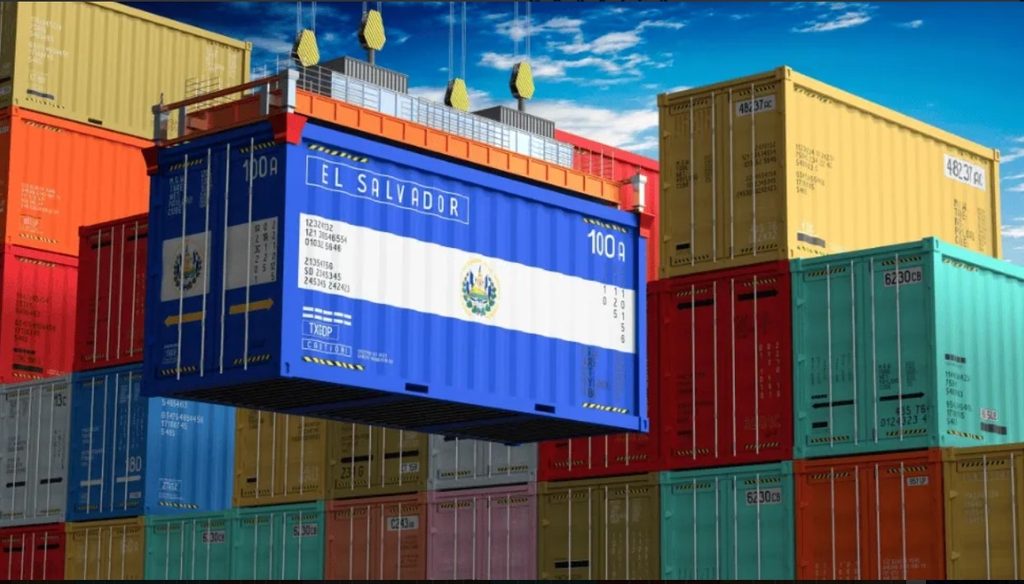
Another important aspect is productivity. To compete in international markets, companies may be driven to improve their processes, adopt new technologies, enhance product quality, and reduce costs. The WTO highlights that trade can boost productivity by exposing companies to greater competition and facilitating access to inputs, technology, and know-how. Furthermore, its analysis of trade and inclusion indicates that export expansion can enable companies to produce on a larger scale, which may incentivize the adoption of technology and innovation.
Increased exports can also help diversify an economy’s revenue sources. If a country relies primarily on domestic consumption, greater participation in international markets can open an additional source of demand. However, exporting more is not enough; what is exported and the number of markets reached also matters. An economy that concentrates its foreign sales on a few products or destinations may be more vulnerable to fluctuations in international prices, demand issues, or specific difficulties within those markets. The WTO warns that a concentration of trade flows can limit growth opportunities driven by exports.
It is also important to distinguish between an increase in the value of exports and an increase in the quantity of products sold. Export value can rise due to higher sales volumes, increased international prices, or a combination of both factors. Therefore, when analyzing an increase in exports, it is necessary to examine which products are driving the growth, the extent to which their quantities have increased, and what has happened to their prices. This distinction makes it possible to determine whether companies are truly producing and selling more, or if the rise in value is primarily due to price changes.
In the case of El Salvador, the Banco Central de Reserva (BCR) has noted that exports are a key component of the economy due to their impact on growth, productivity, employment, and investment. The BCR itself has studied the export potential and diversification of salvadoran sales abroad, demonstrating that what matters is not only increasing export volumes but also identifying new opportunities and expanding the range of products and markets accessible to salvadoran companies.
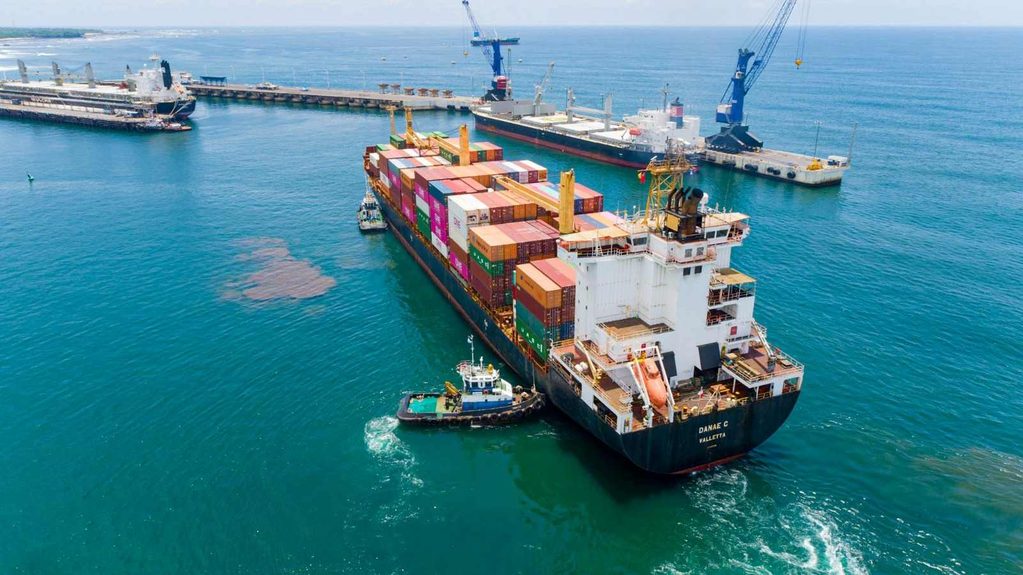
Therefore, reports of increased exports should be interpreted as a sign of heightened foreign trade activity, rather than an automatic guarantee of overall economic improvement. To gauge the true significance of the outcome, one must examine whether the growth was sustained, which sectors drove it, and whether it fostered job creation, boosted productivity, spurred investment to expand production capacity, and resulted in diversified sales across various products and destinations.
Simply put, exporting more means that a country’s companies are successfully selling more in international markets or that the value of those sales has increased. When this growth is accompanied by higher production, investment, employment, productivity, and diversification, it can become a major driver of the economy. However, export growth alone does not capture a country’s overall economic performance; it must be analyzed alongside other indicators to determine the breadth and sustainability of its impact.
You may also read: