

 dinero_admin
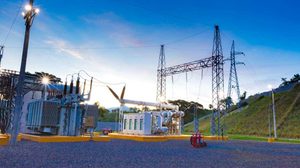
The transition to cleaner energy sources represents not only an environmental challenge for El Salvador but also an opportunity for new business development. The adoption of solar panels and other renewable generation systems for self-consumption creates openings for companies specializing in the import, sales, installation, and maintenance of these technologies.
A market linked to sustainability
The Law for the Promotion of Renewable Energy Use seeks to boost the utilization of renewable sources and foster economic activities related to these technologies. This enables small businesses to join the service chain supporting the energy transition, covering everything from equipment sales to installation and maintenance.
The Dirección General de Energía, Hidrocarburos y Minas (DGEHM) has an enrollment process for companies wishing to register as qualified providers. This procedure is free of charge and is aimed at entities involved in the import, sales, installation, and maintenance of renewable energy systems.
What requirements does the DGEHM request?
To complete the process, the DGEHM platform requires company identification details such as the trade name or legal entity name, Tax ID (NIT), Tax Registration Number (NRC), and legal representative information where applicable, along with documentation proving legal representation and relevant authorizations.
For self-consumption projects, technical documentation is also required, including calculation and sizing reports, a single-line diagram signed and stamped by the provider, equipment data sheets, relevant certifications, and a provider’s declaration of responsibility. Additional electrical studies may be required for systems exceeding 50 kW.
Financing for sustainable projects
Access to financing is another aspect of this opportunity. The Banco de Fomento Agropecuario (BFA) offers credit lines geared toward investments in energy efficiency and renewable energy, as well as options specifically for micro-entrepreneurs. This can make it easier for small businesses to invest in equipment, infrastructure, or solutions related to clean energy generation.
Added to this are the tax incentives provided for in the legislation for specific renewable energy-related activities, provided that the established conditions are met.
Thus, the expansion of renewable energy can create economic opportunities while contributing to a transition toward more sustainable energy production and consumption models.
You can also read: