

 dinero_admin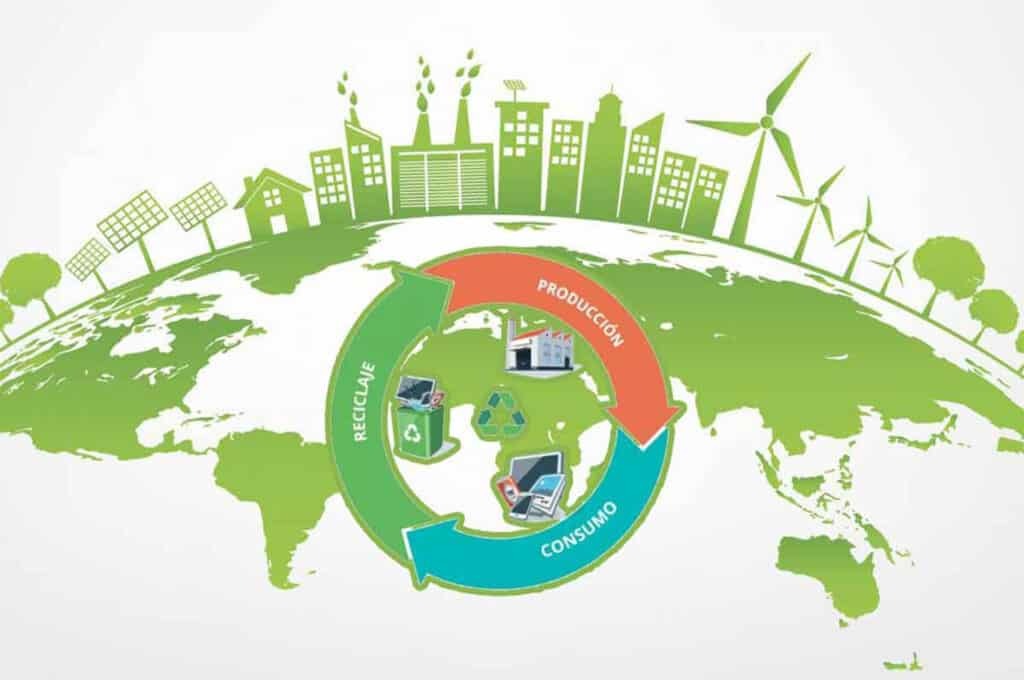
The circular economy is a production and consumption model that seeks to maximize the lifespan of materials, reduce waste generation, and prevent products and resources from being discarded while they still hold utility. Unlike the traditional “produce, use, and discard” model, this approach promotes the reuse, repair, recycling, and recovery of materials to keep them within economic processes.
In El Salvador, this concept is gaining prominence within integrated waste management, with initiatives aimed at reducing the volume of waste sent to final disposal and recovering materials that can be reintegrated into production chains. For businesses, this also presents an opportunity to review processes, minimize waste, and develop new production alternatives.
A shift in waste management
The Law on Integrated Waste Management and Recycling Promotion establishes the recovery of waste and its sanitary and environmentally safe final disposal as key objectives. The legislation also fosters the circular economy and outlines measures for waste separation, collection, recycling, and material recovery.
This approach entails moving away from the view that all waste is useless material. Through its “Futuro Verde” initiative, the Ministerio de Medio Ambiente y Recursos Naturales (MARN), emphasizes the importance of separating waste at the source, as keeping materials separate facilitates their subsequent recovery and recycling.
An opportunity for businesses
The circular economy can also create opportunities for the productive sector. A MARN assessment of El Salvador’s recycling market identifies various recoverable materials, including plastics, glass, textiles, tires, batteries, and organic matter, and analyzes the recycling value chain.
From a business perspective, utilizing these materials can help reduce waste and create new opportunities within production chains. MARN also notes that incorporating environmental criteria into various stages of production processes can boost competitiveness and innovation while reducing costs.
From waste to resource
The regulatory framework also establishes responsibilities for waste generators and managers. The Regulation for the Law on Integrated Waste Management and Recycling Promotion, issued in 2023, outlines mechanisms regarding registration, indicators, reporting, and the commercialization of waste.
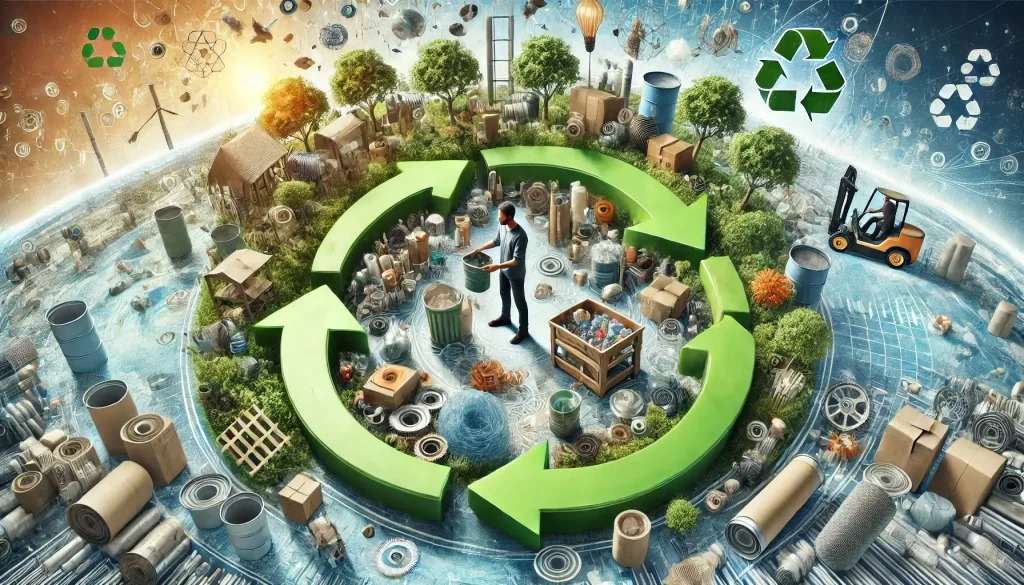
In this way, the circular economy proposes a shift that goes beyond mere recycling. The goal is to keep materials within the economy for longer, reduce the volume of waste generated, and promote new methods of production, utilization, and value recovery. For salvadoran companies, moving in this direction can represent both an environmental commitment and an opportunity to innovate and improve operational efficiency.
You may also read: