

 dinero_admin
Unexpected expenses, uncontrolled credit card use, and automatic charges for services that are no longer in use can all become problems for personal finances. Banco Central de Reserva (BCR) has emphasized that maintaining a budget is an essential tool for anticipating financial commitments and preventing imbalances in how one manages money.
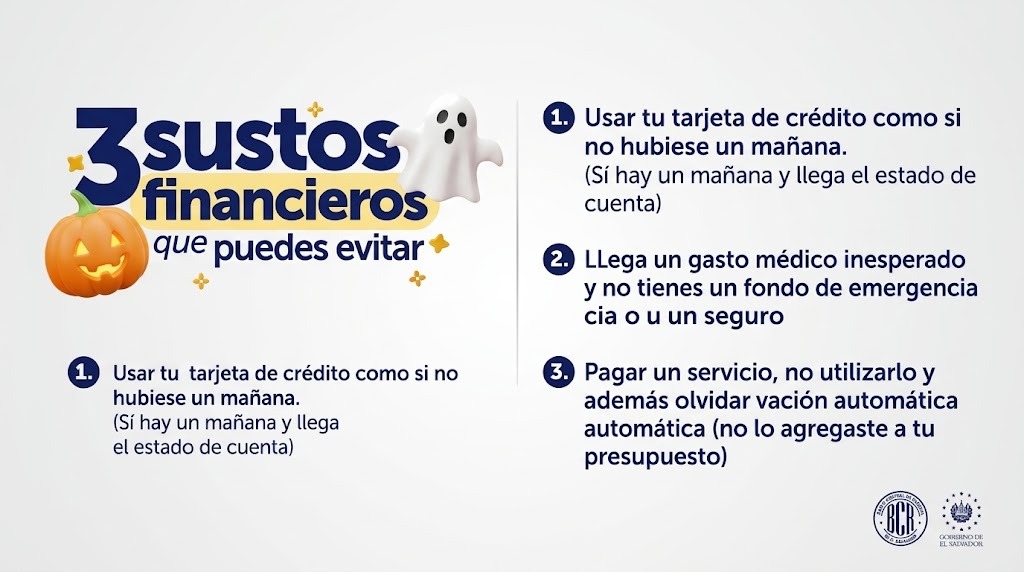
In a recent publication, the institution identified three scenarios that can lead to what it calls “financial shocks” situations that can be prevented, or their impact on one’s wallet reduced, through better organization of income and expenses.
The first mistake is using a credit card as if there were no spending limit, or as if the money spent did not have to be paid back. While credit cards allow purchases without needing cash on hand, every transaction creates an obligation that will eventually appear on your account statement. Therefore, it is important to keep track of purchases, understand your repayment capacity, and avoid using credit more than your available income.
The second scenario highlighted by the BCR involves facing an unexpected medical expense without having an emergency fund or insurance. Such situations can disrupt a family budget, especially when funds are needed immediately to cover medical consultations, medications, or treatments. Having savings set aside exclusively for emergencies ensures that resources are available to meet these needs without necessarily having to resort to loans or taking on debt.
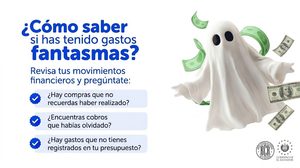
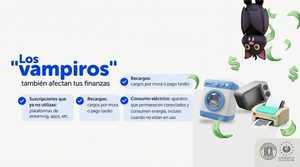
The third situation concerns paying for services that are no longer used, while forgetting that they are set to renew automatically. Subscriptions to digital platforms, apps, and other services may involve small, recurring payments that, when added up, can take a toll on personal finances. If these payments are not accounted for in one’s budget, they become unnecessary expenses that reduce the money available for other, more important priorities.
To avoid such charges, it is advisable to periodically review your account statements and the services linked to your bank cards, identify which ones are being used, and cancel those that are no longer needed. It is also important to check renewal terms and the dates when charges are applied.
In these situations, a budget serves as a preventive tool, as it allows you to track your income, the amounts allocated to fixed and variable expenses, and the portion that can be set aside for savings. Furthermore, it makes it easier to identify expenses that can be reduced and to anticipate financial commitments that might affect your household’s economic stability.
The message from the BCR emphasizes that sound financial planning is not just about controlling current spending; it also involves preparing for unexpected events. Keeping a record of your expenses, using credit responsibly, reviewing recurring payments, and building an emergency fund are all steps that help protect your finances and prevent unforeseen events from turning into financial problems.
You may also want to read: