

 dinero_admin
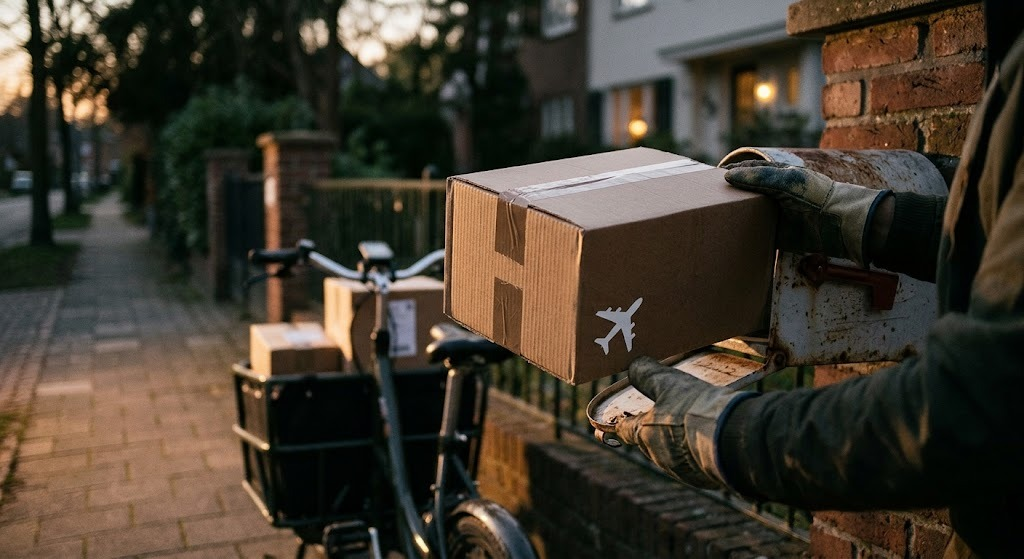
Buying clothing, footwear, technology, or household items from international stores may seem like a way to save money, especially when prices are lower than those in El Salvador. However, the amount shown on a website is not always the final cost. To determine whether a purchase is truly a good deal, you must account for the product price, shipping costs, import taxes, and any potential additional charges for transport and handling.
The first step is to calculate the value of the merchandise, including the costs associated with transport. The Dirección General de Aduanas de El Salvador stipulates that the customs value may include the product price, transport costs, and insurance, where applicable. For example, if an item costs US$80, shipping is US$15, and insurance is US$2, the estimated customs value would be US$97. This figure serves as a reference for calculating applicable import taxes.
The next step is to check the Derecho Arancelario a la Importación (DAI), a levy with a percentage rate that depends on the tariff classification of the specific item. Since not all products are subject to the same rate, it is not advisable to calculate taxes using a flat, general percentage. You can use the official tool provided by the Dirección General de Aduanas to look up the applicable rate and verify whether any specific permits or other requirements apply.
Another factor to include is the Value Added Tax (IVA) a tax on the transfer of movable goods and the provision of services which carries a general rate of 13% for imports. This tax is calculated based on a total that includes both the customs value and the Derecho Arancelario a la Importación (DAI). Depending on the product, other levies or special contributions may also apply; therefore, it is important to review current regulations before placing an order.
To understand how these charges accumulate, consider the example of a product with a customs value of US$97 and a hypothetical DAI of 10%. The tariff would be US$9.70, and the 13% VAT calculated on a base of US$106.70 would amount to approximately US$13.87. This brings the cost to US$120.57, before accounting for any additional charges. This example is for illustrative purposes only, as the actual import duty rate (DAI) depends on the specific product and its tariff classification.
It is also necessary to review the fees charged by the shipping company or the international parcel-forwarding service. Some services charge for receiving, storing, handling, or delivering packages, as well as for managing customs procedures. These costs vary depending on the provider and the terms of the agreement; therefore, it is advisable to request a detailed quote and verify which services are included in the shipping price.
If a purchase is made in a currency other than the U.S. dollar, you must also consider the exchange rate that your financial institution will apply. Some cards may charge fees for international transactions, which would increase the total amount shown on your account statement. For this reason, before making a payment, it is recommended to check your card’s terms and conditions and calculate the approximate total cost in dollars.
Once all costs have been tallied, the buyer should compare the total against the price of the same product in El Salvador. This comparison should consider the brand, model, features, and warranty. If an item costs US$100 at a local store, but importing it results in a total cost of US$105, purchasing it from abroad does not offer direct savings though it might provide other advantages depending on the consumer’s specific needs.
Before confirming an order, it is also important to review return policies, warranty terms, and potential costs associated with shipping a product back to its country of origin. These factors are particularly relevant when purchasing technology or high-value items, where a product defect or a delivery issue could lead to additional expenses. Furthermore, it is recommended to keep all invoices, payment receipts, and shipping documents to verify the value of the merchandise in the event of any customs inquiries.
Calculating the true cost of purchasing from abroad allows for more informed decision-making and helps ensure that a promotional price does not end up becoming a higher expense than anticipated. The key is to add up all costs, verify applicable taxes through official sources, and compare the final total against the options available in the salvadoran market. In this way, the buyer can determine whether the import represents an actual saving and whether it fits their budget.
You can also read: