

 dinero_admin
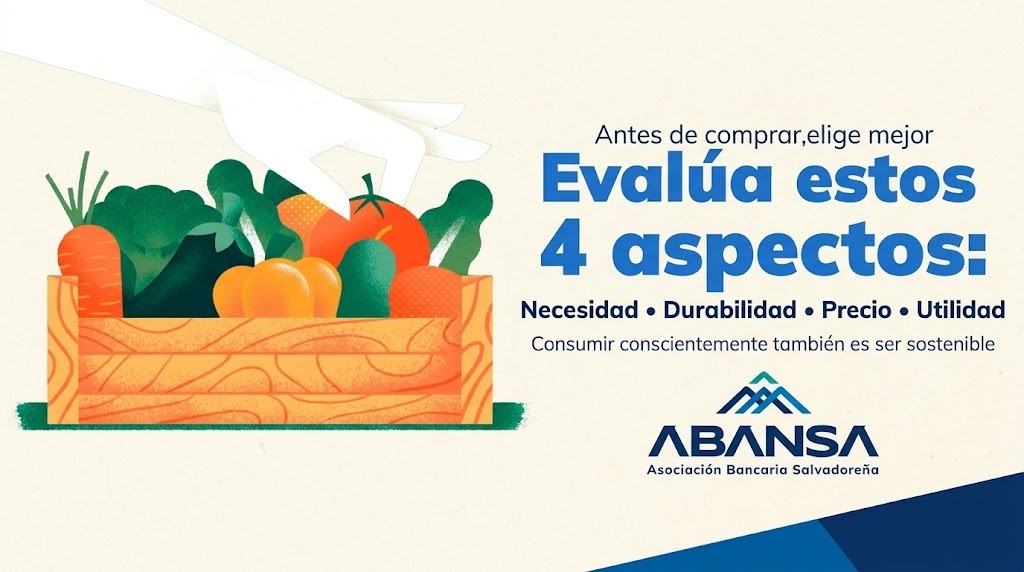
The Asociación Bancaria Salvadoreña (ABANSA) has advised the public to adopt conscious consumption habits to better manage their money and reduce the waste of resources. The banking association noted that, before making a purchase, it is important to evaluate four aspects: the need for the product, its durability, its price, and its long-term utility.
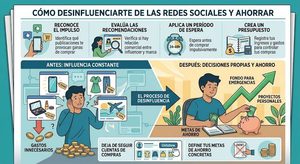
A primary step is to determine whether the item one wishes to buy is truly necessary. This assessment helps distinguish between products that address a genuine need and those purchased on impulse or because of an attractive-looking offer. By taking a few moments to evaluate a potential purchase, individuals can avoid unnecessary spending and direct their income toward more important priorities.
Durability is another factor that should be considered when choosing a product. An item that can be used for a longer period may represent better value for money, even if its initial price is higher than other options. To make an informed decision, it is advisable to examine the quality, materials, estimated lifespan, and maintenance requirements of each alternative.
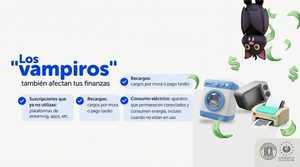
Price, meanwhile, should be analyzed in relation to a product’s features and utility, rather than just its initial cost. Comparing different options makes it possible to identify which one offers the best value within one’s available budget. Furthermore, it is important to consider any additional expenses an item might entail, such as maintenance, repairs, or energy consumption.
ABANSA also highlights utility as a key criterion for purchasing decisions. Before buying something, it is worth considering how frequently it will be used, whether it serves an important function at home or at work, and whether one already owns another product that performs the same task. This analysis helps prevent purchases that end up going unused, effectively tying up money in unnecessary items.
The practice of conscious consumption is also linked to sustainability; choosing durable products and buying only what is truly necessary can help reduce waste and the unnecessary use of resources. In this way, purchasing decisions affect not only personal finances but also the amount of waste generated.
To put these recommendations into practice, consumers can set a budget, compare prices, check product quality, and reflect before making a purchase. For higher-value items, it is also useful to consider whether the expense can be covered without compromising the ability to meet basic financial obligations or maintain savings.
Through these recommendations, ABANSA promotes a consumption model that combines financial planning with the responsible use of resources. Evaluating the need for, durability of, price of, and utility of each product enables more informed decision-making, helps make the most of one’s income, and reduces waste.
You may also want to read: