

 dinero_admin
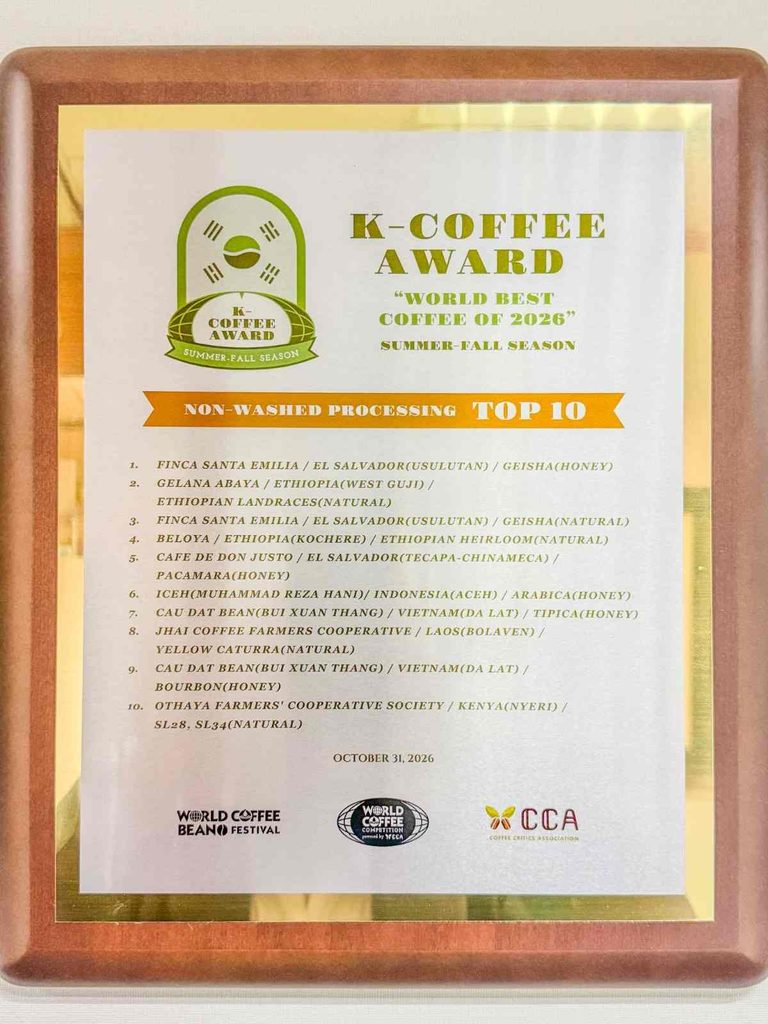
Salvadoran coffee has earned new recognition in South Korea, with three national entries placing among the top 10 in the “World Best Coffee of 2026” K-Coffee Award specifically in the summer-autumn season’s category for non-washed processing methods. Among the award-winning coffees, one entry secured first place in the competition.
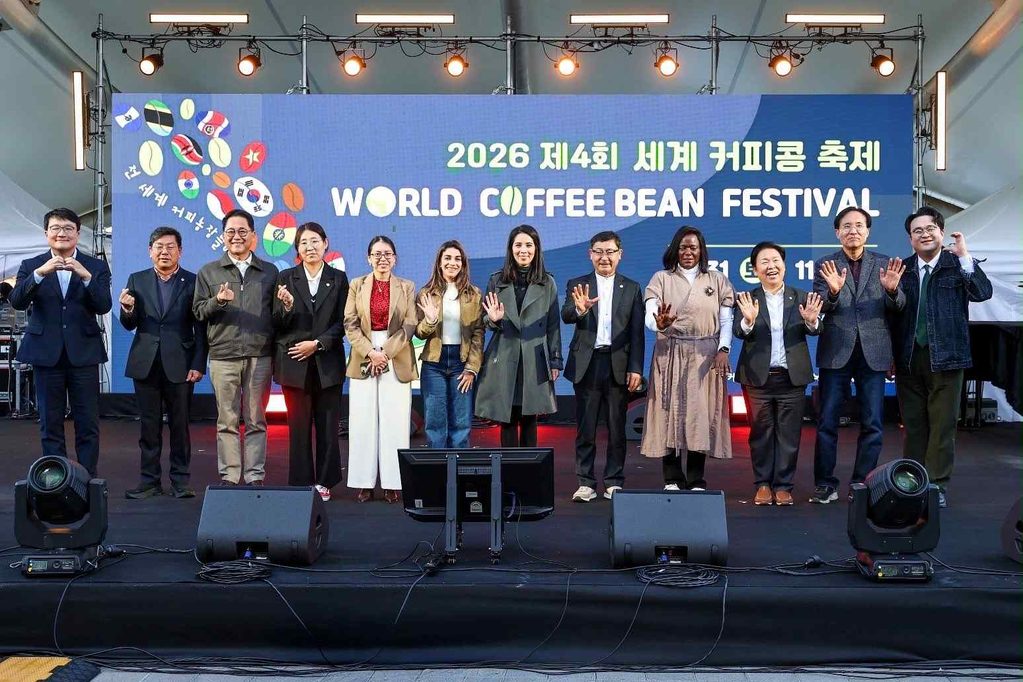
Federico Guerrero Avendaño, El Salvador’s Ambassador to the Republic of Korea, reported that the country participated for the first time in the World Coffee Bean Festival, held in Siheung, South Korea, an event that once again highlighted the high quality of salvadoran coffee beans.
First place was awarded to Finca Santa Emilia, located in Usulután, for its “honey-processed” Geisha coffee. This entry stood out among the participants in a category that evaluates coffee processed using methods other than the traditional “washed” process.
In addition to the top spot, two other Salvadoran coffees reached the top 10: another entry from Finca Santa Emilia, a “natural-processed” Geisha and a “honey-processed” Pacamara from Café de Don Justo, produced in the Tecapa-Chinameca region.
These results showcase the diverse coffee varieties and processing methods employed by salvadoran producers to create distinct flavor profiles. Specifically, “honey” and “natural” processing methods allow for the development of unique characteristics in the coffee, depending on how the bean is handled post-harvest.
In the “honey” process, the coffee cherry is depulped, but a portion of the mucilage is left on the bean during the drying stage; in the “natural” method, the entire cherry is dried before its outer layers are removed. These techniques can significantly influence the aroma, body, and flavor profile of the final brew.
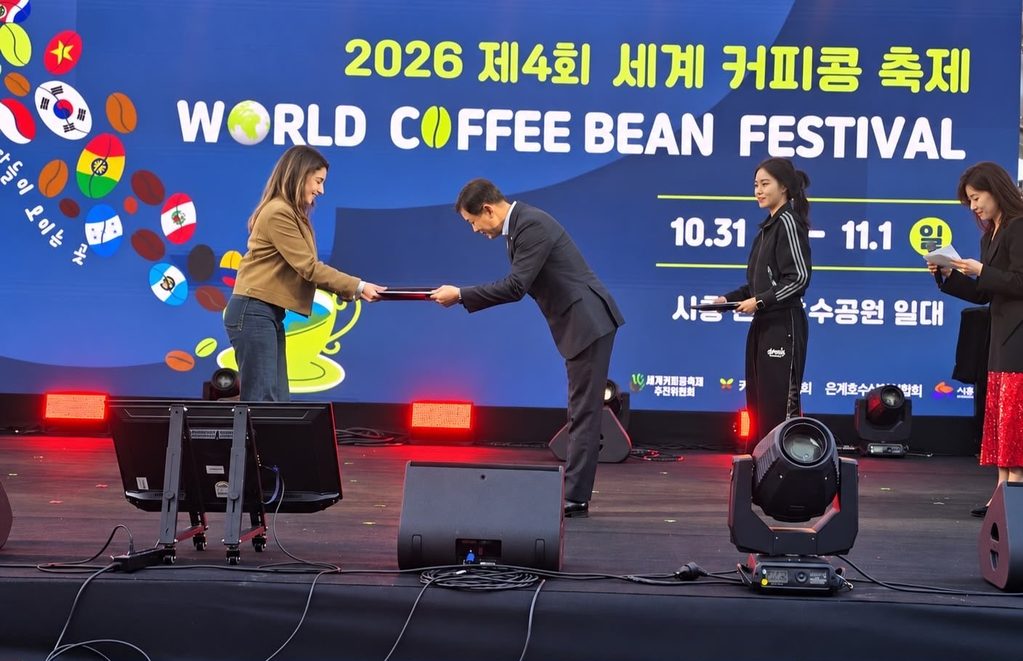
Participation in the World Coffee Bean Festival also serves as an opportunity to increase the visibility of salvadoran coffee within the Asian market, connecting local producers with new avenues for international promotion and recognition.
Guerrero Avendaño congratulated the producers who took part in the competition, as well as the team that made El Salvador’s presence at the festival possible, highlighting that these results continue to demonstrate the potential of Salvadoran coffee on the international stage.
You can also read: