

 dinero_admin
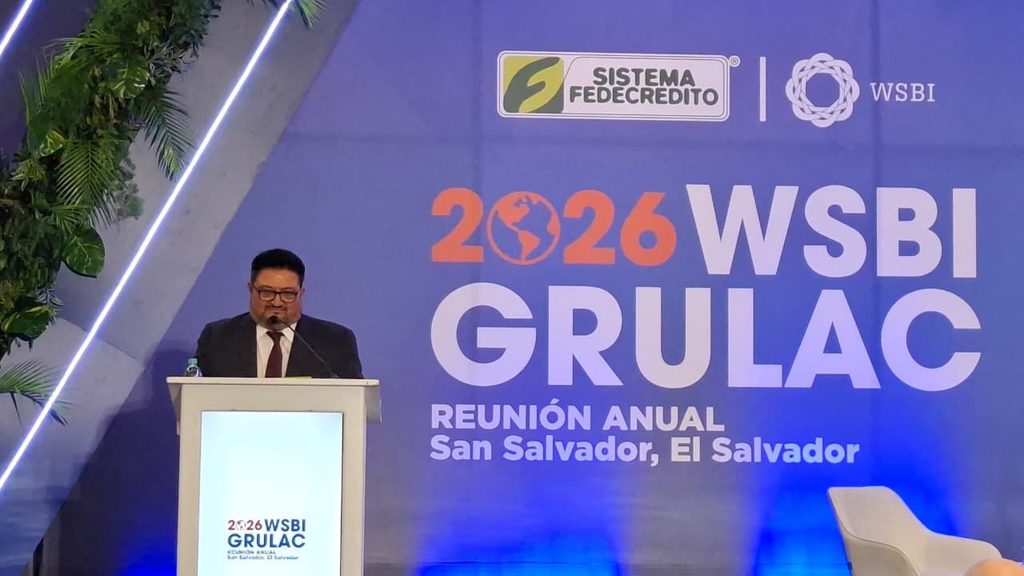
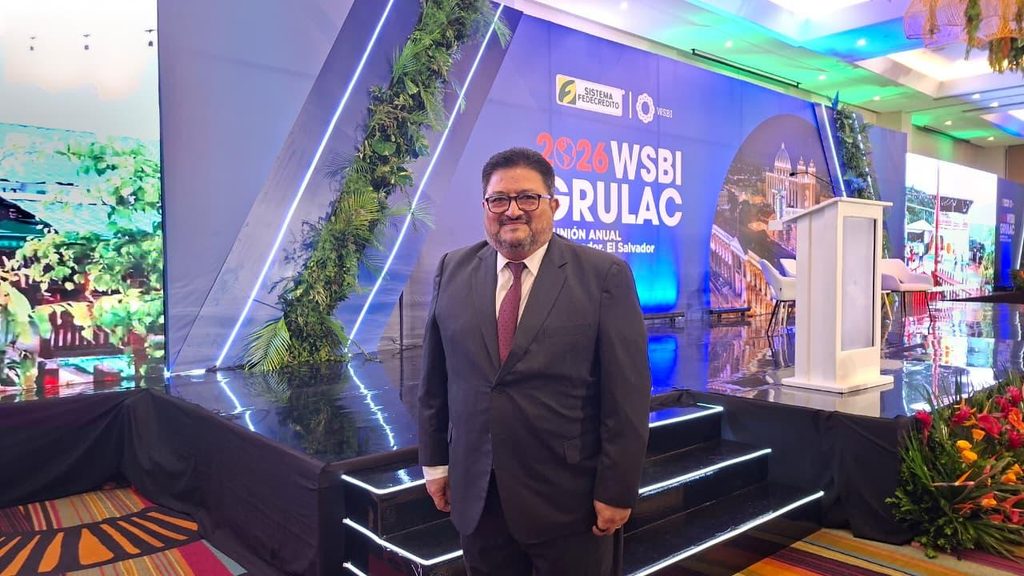
From november 16 to 18, El Salvador will host the annual meeting of the Grupo Regional de las Américas y el Caribe (GRULAC) of the World Savings and Retail Banking Institute (WSBI). With the SISTEMA FEDECRÉDITO serving as the host and local organizer, the gathering will bring together international executives and specialists to exchange experiences on topics such as transforming credit risk management while enhancing the customer experience, strengthening cybersecurity, exploring open finance models and instant payment systems, and the evolution of digital assets.
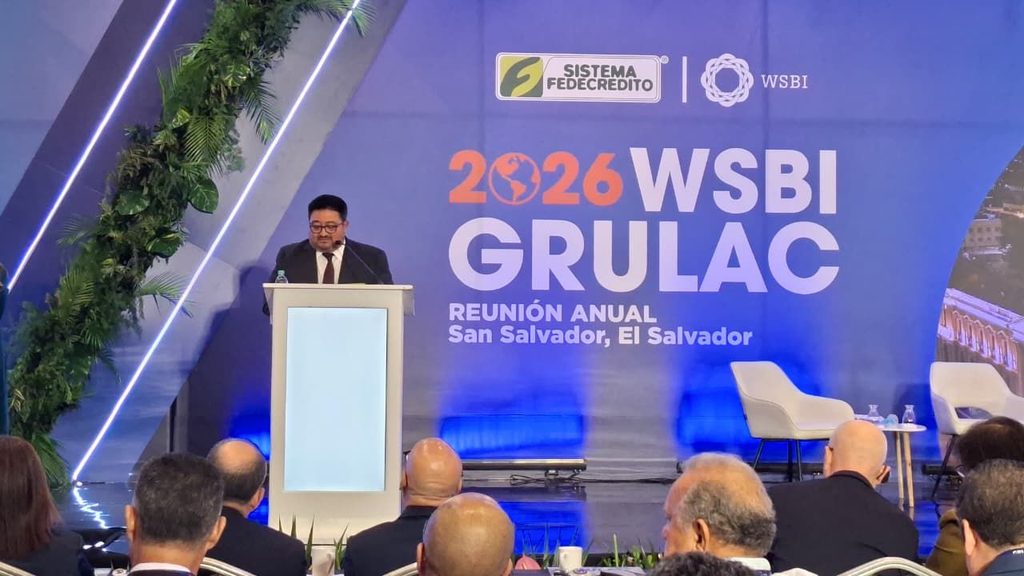
The program includes the participation of approximately 20 organizations, ranging from WSBI members and specialized institutions to representatives from the SISTEMA FEDECRÉDITO. Entities slated to participate in the panels include the IFC (part of the World Bank Group); multinational firms Deloitte and Hencorp; Italy’s Cleafy; the State Bank of India; Mexico’s Universidad de las Américas Puebla (UDLAP); Colombia’s Banco Caja Social and Fundación Grupo Social; Guatemala’s BANTRAB; Peru’s Federación Peruana de Cajas Municipales de Ahorro y Crédito (FEPCMAC) and 4told Fintech; the Dominican Republic’s Asociación Popular de Ahorros y Préstamos (APAP); and El Salvador’s QUDOX, ASAFINTECH, and FEDECRÉDITO. The opening session featured remarks from Macario Armando Rosales Rosa, President and CEO of FEDECRÉDITO; Peter Simon, CEO of the WSBI; and Diego Prieto, Chair of GRULAC and President of Banco Caja Social.
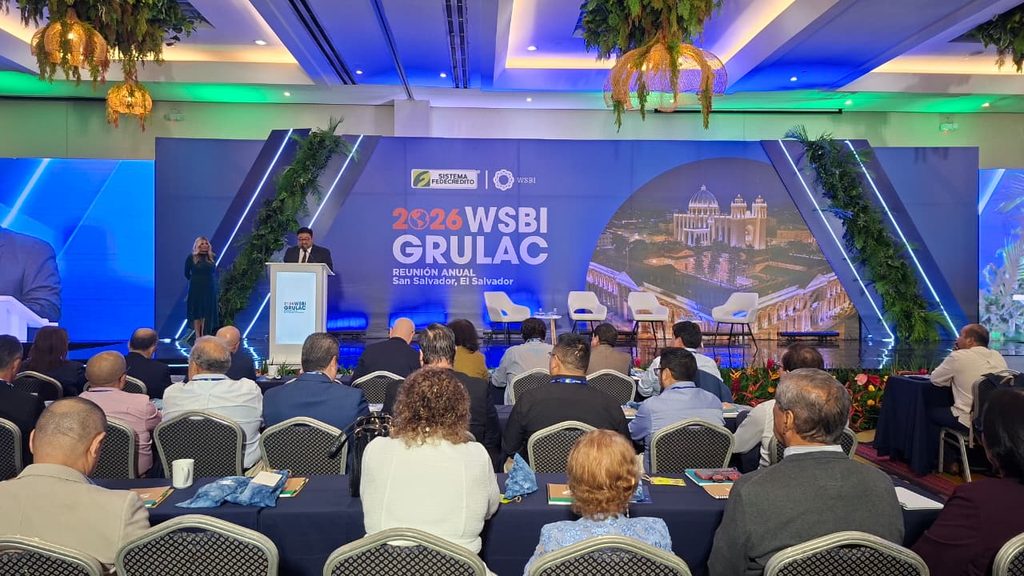
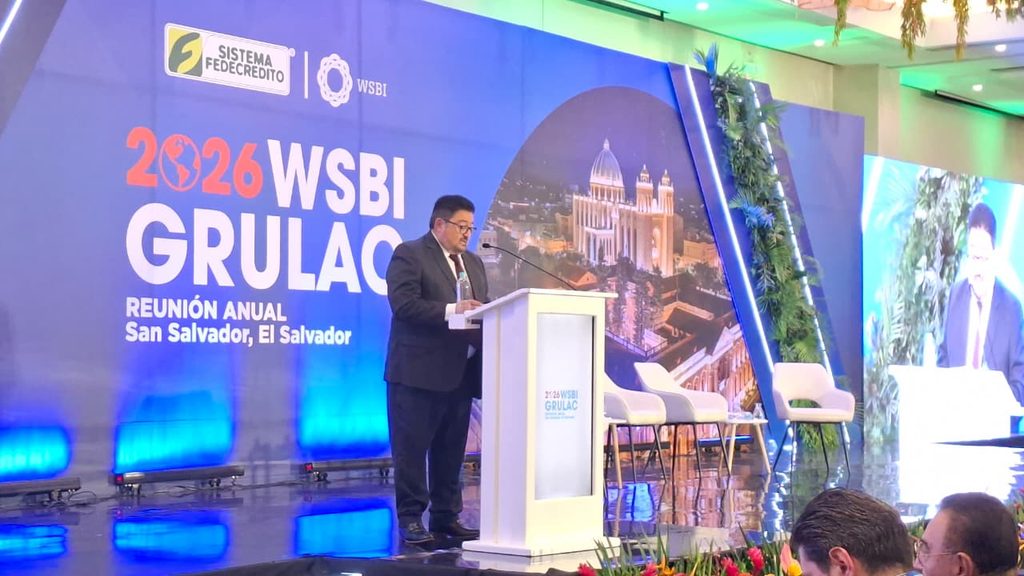
Hosting the WSBI’s GRULAC 2026 positions El Salvador as a key meeting point for financial innovation in Latin America and the Caribbean, showcasing the strength and reach of its local ecosystem to international leaders. By taking on the role of host, SISTEMA FEDECRÉDITO not only fosters high-level knowledge exchange within the country but also shares the success of its proximity-based model, delivered through its 47 Cajas de Crédito, 7 Bancos de los Trabajadores, SEGUROS FEDECRÉDITO, and FEDESERVI. This model combines a physical presence with digital channels to bring financial solutions closer to the public, establishing the organization as a benchmark for financial inclusion and the integration of salvadorans into the formal banking system.
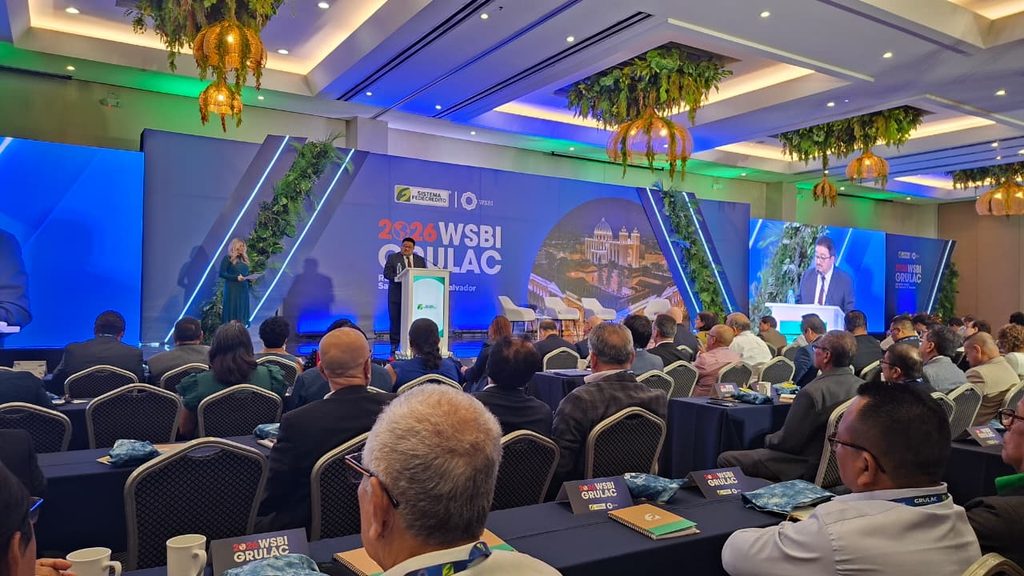
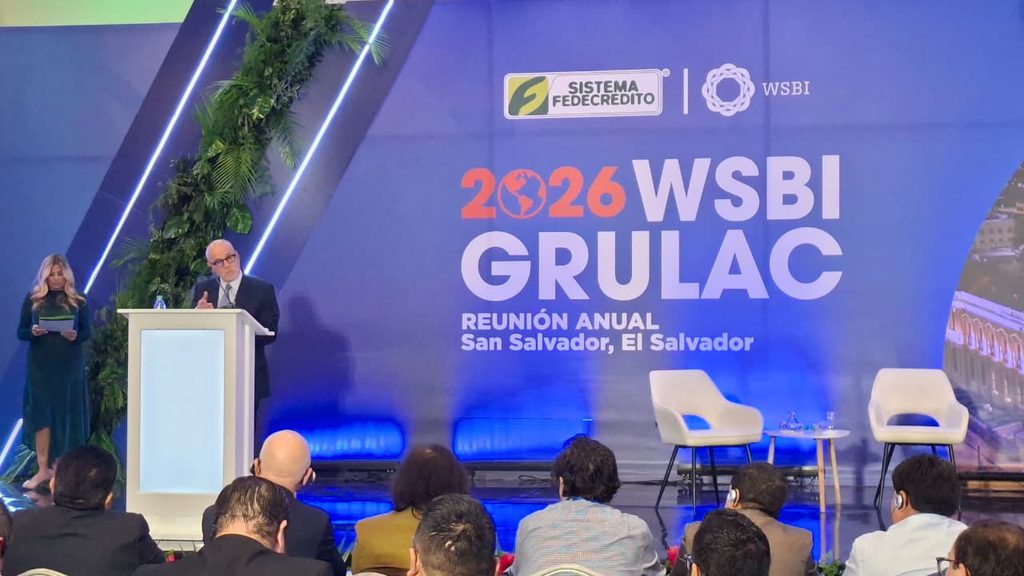
Artificial Intelligence applied to credit risk management and customer experience. This panel will explore how artificial intelligence can transform credit risk management and enhance the customer experience. It will examine AI’s potential to optimize credit assessment and granting processes, improve analytical and predictive capabilities, accelerate decision-making, and offer more personalized and accessible financial services.
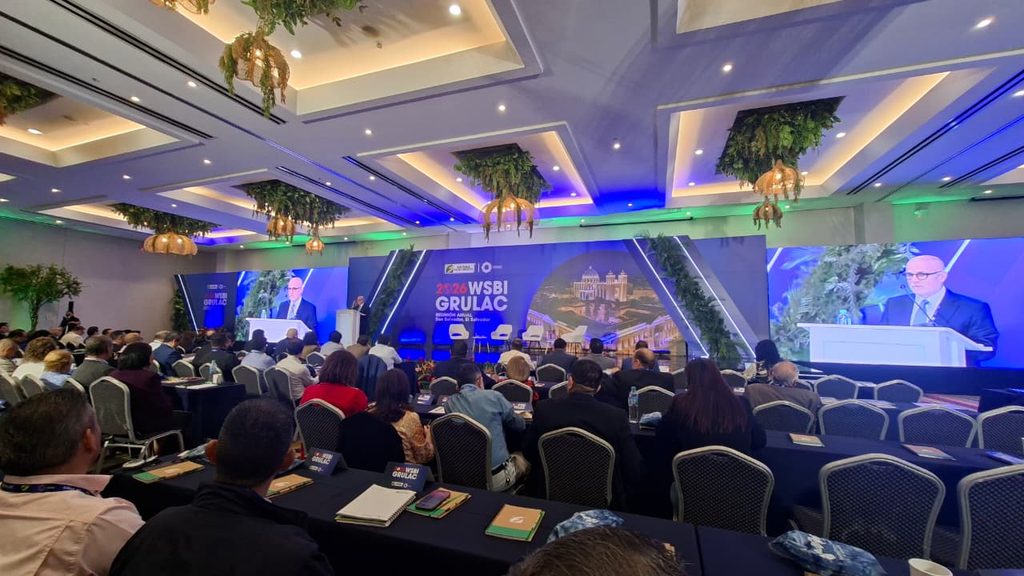
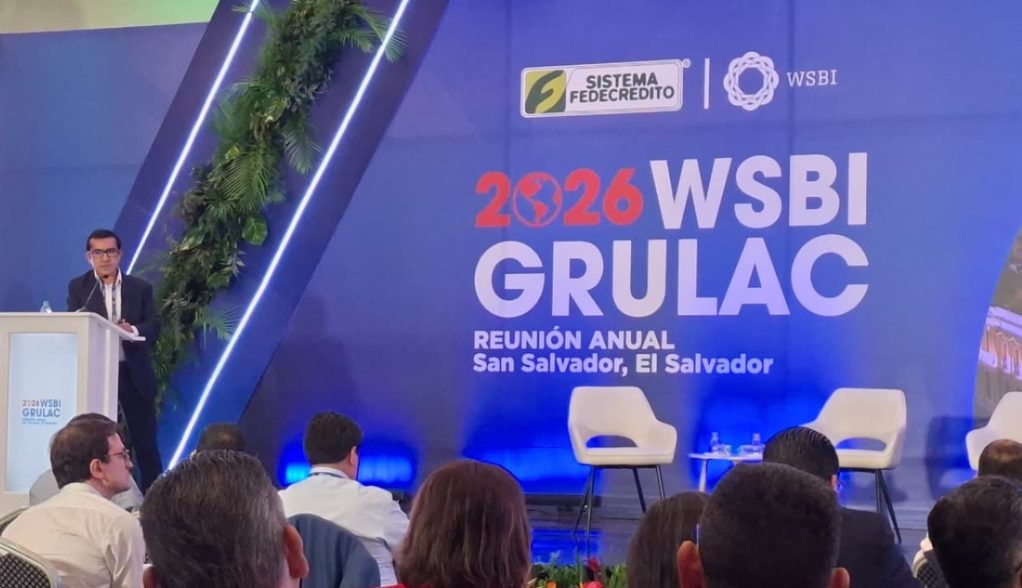
Cybersecurity and digital resilience in the face of emerging threats and financial fraud. In this session, panelists will share practical experiences and approaches for preventing, detecting, and responding to cyber incidents, highlighting innovative solutions and international best practices. They will discuss how strengthening cybersecurity and digital resilience has become a strategic priority, and analyze the evolving landscape of cyber threats, with a particular focus on financial fraud, new attack methods, and their impact on financial institutions and their customers.
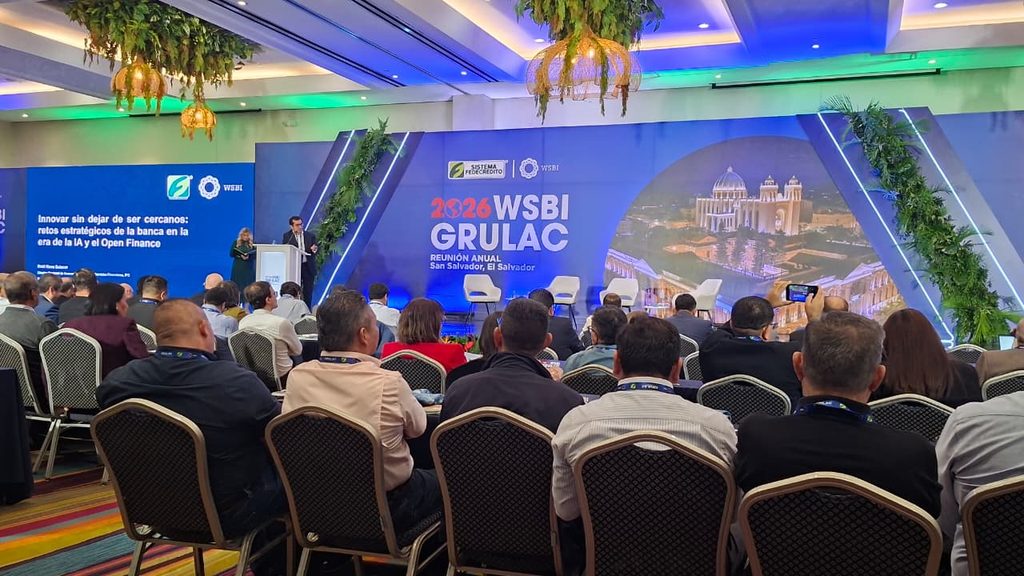
A new financial architecture in Latin America: Open Finance, instant payments, and collaborative ecosystems to drive inclusion and growth. This panel will discuss how the evolution of financial services and digital transformation are giving rise to a new financial architecture in Latin America, one in which Open Finance, instant payment systems, and collaborative ecosystems play an increasingly significant role in the transformation of retail banking. The panel will also explore how these innovations create new opportunities to expand access to financial services, enhance the customer experience, and develop solutions that are more accessible, efficient, and tailored to the needs of individuals, households, and MSMEs (micro, small, and medium-sized enterprises).
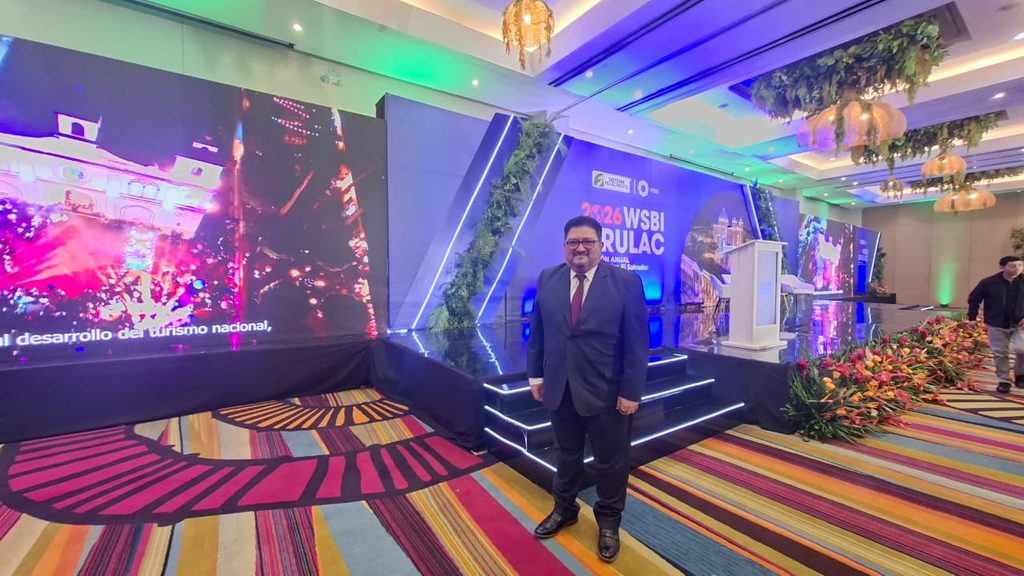
Innovation and transformation in the financial industry: digital assets and the future of banking. Panelists will analyze how digitalization is transforming the financial sector, presenting both new challenges and opportunities for retail banks in Latin America. In this context, digital assets, including cryptocurrencies and tokenization, are gaining growing importance, opening up new possibilities for the delivery of financial services, payment methods, and asset management.
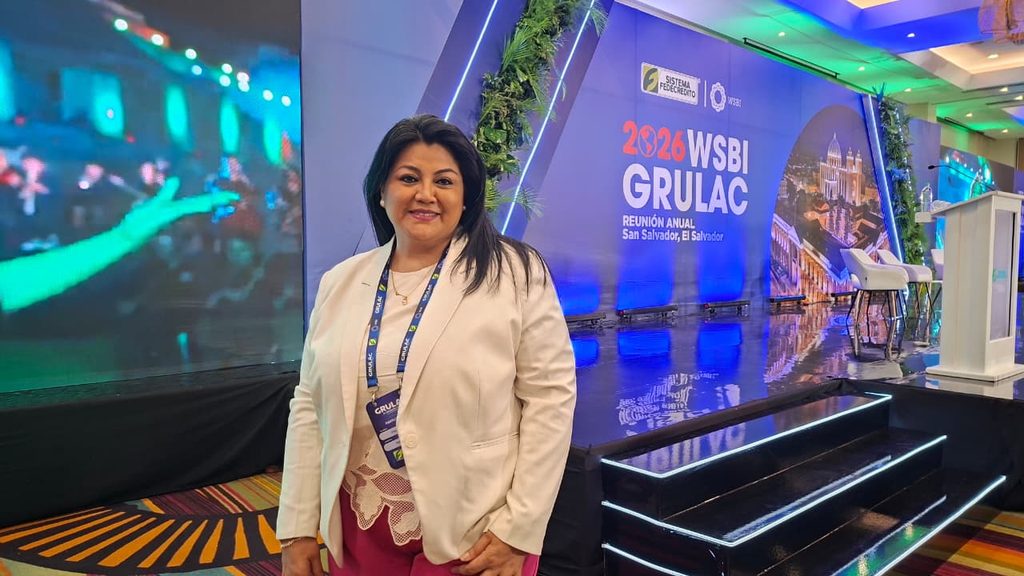
This gathering serves as a strategic platform to accelerate financial inclusion in a safe and sustainable manner. Participating institutions will have the opportunity to adopt best practices for streamlining access to credit, protecting users against emerging forms of fraud, modernizing payment systems, to the benefit of millions across the continent, and fostering the adoption of digital assets within the sector.
You may also want to read: