

 A. M.
A. M. 
The beginning of 2026 brought a significant surge in tourism to various parts of El Salvador, especially to popular destinations like El Majahual Beach in La Libertad Costa and Parque Recreativo Los Chorros. Beyond family enjoyment and recreation, this influx represents a major economic boost for the country, activating multiple productive sectors from the very first days of the year.
On january 2nd, hundreds of salvadoran families and international visitors took advantage of public and tourist spaces to vacation, shop, and get around. The constant presence of tourists has a direct impact on the local economy, benefiting merchants, restaurants, hotels, transportation companies, informal vendors, and tourism service providers, who all experience increased revenue during this period.
In coastal areas like El Majahual, the increase in visitors translates into greater consumption of food, beverages, and rentals of chairs, umbrellas, surfboards, and lodging. This is further boosted by the temporary hiring of staff, which strengthens local employment and allows more families to earn additional income. The economic benefits are not limited to the beach itself but extend to nearby communities that supply products and services.

Domestic tourism also plays a key role. Salvadoran families taking advantage of their days off before returning to school and work revitalize recreational parks like Los Chorros, where the influx of visitors drives food sales, transportation, and commerce in general. This type of tourism helps distribute income throughout the country, benefiting different regions.
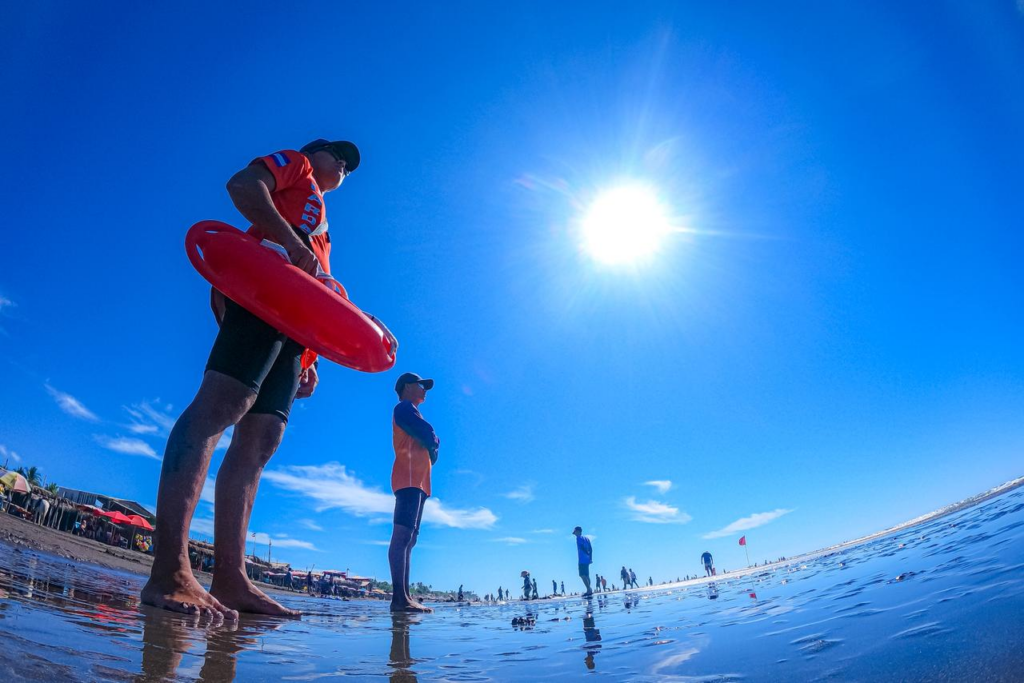
A key factor in this growth has been the perception of safety. Both domestic visitors and salvadorans abroad agree that current conditions allow them to travel with greater confidence, which encourages tourism and extends stays. The presence of Protección Civil teams and lifeguards, as part of the Sistema Nacional de Protección Civil, reinforces prevention and creates an environment conducive to safe recreation, a crucial element for the sustainability of the tourism sector.
The strengthening of tourism has a positive impact on public finances, as it increases revenue through taxes associated with consumption, services, and commercial activities. Furthermore, it helps position El Salvador as a competitive destination regionally and internationally, opening opportunities for new investments in tourism infrastructure, hotels, and services.
The strategies implemented by the government have allowed the country to leverage its natural resources, gastronomy, and the hospitality of its people as drivers of economic growth. Tourism, in addition to generating social well-being and creating spaces for community interaction, has become a key source of income, employment, and development for El Salvador since early 2026.
You can also read