

 A. M.
A. M. 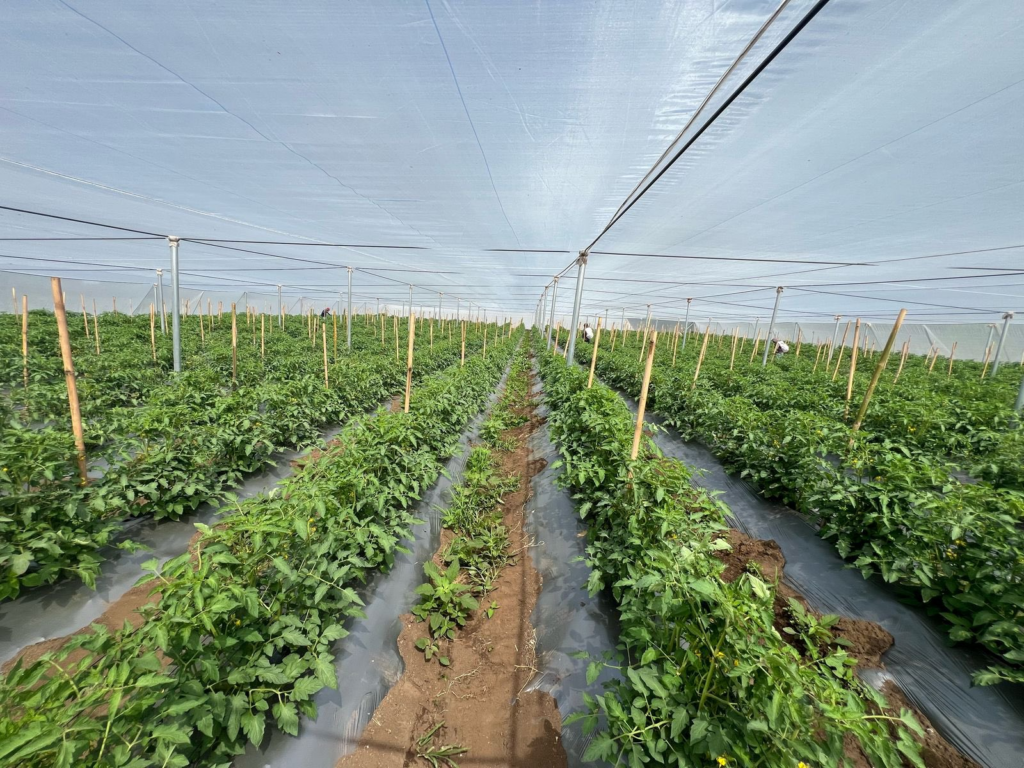
The stability and reduction in the prices of fruits and vegetables have been one of the main results of the Production Increase Program promoted by the Government of El Salvador. According to authorities from the Ministerio de Agricultura y Ganadería (MAG), for the second consecutive december, prices for products such as tomatoes, chili peppers, potatoes, onions, lettuce, and other seasonal crops remained lower than in 2023, 2022, and previous years, reflecting greater local supply and lower inflationary pressure on the basic food basket.
The authorities explained that this behavior is due to a strategy aimed at increasing national production and promoting competition in the market, which has prevented sharp increases in the prices of essential foods for the population. In addition, throughout 2025, there were no days of shortages of fruits and vegetables, even when the borders with Guatemala and Honduras were closed on more than ten occasions, demonstrating the greater resilience of the domestic market.
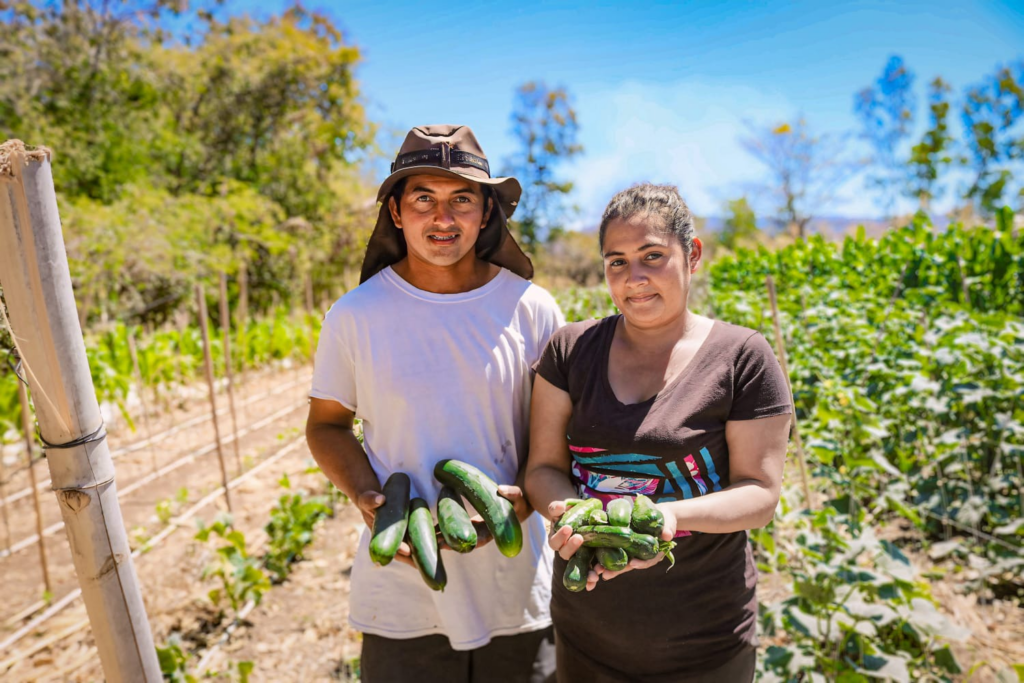
The program covers 33 strategic crops, among which potatoes, tomatoes, cabbage, chili peppers, and cucumbers stand out as those with the highest production volume. Other crops have shown sustained growth, expanding the available supply and strengthening the country’s food security.
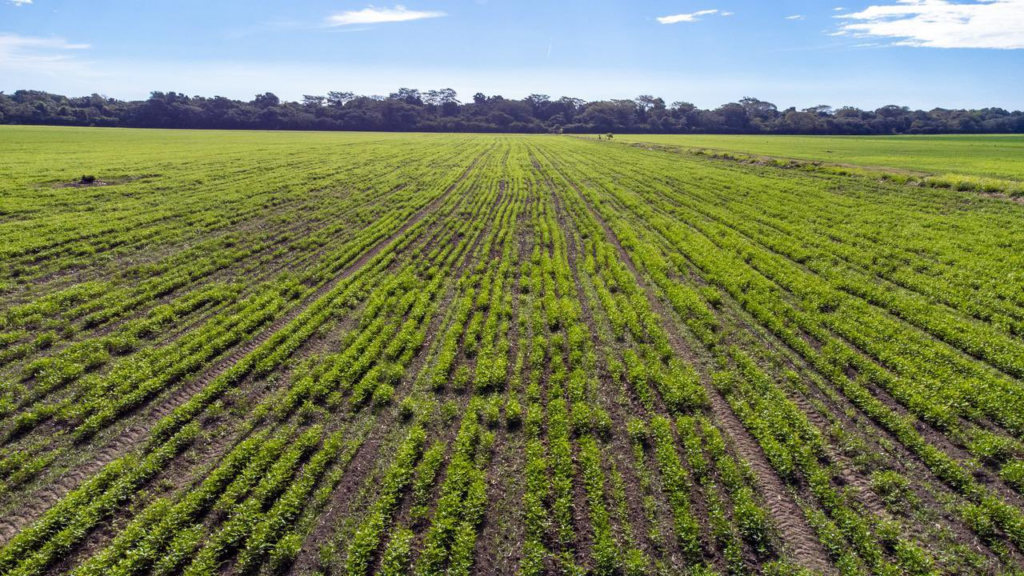
Another important aspect has been the expansion of cultivated areas. Currently, productive areas of 30, 50, and even 200 acres are reported in a single zone, using both manual and mechanized methods. Likewise, small producers have organized themselves to form productive areas of at least 15 acres, which has improved efficiency and production capacity.
The authorities also highlighted that improvements in security have made it possible to recover territories previously dominated by criminal structures, expanding the agricultural frontier and facilitating productive investment in rural areas.
According to Óscar Domínguez, honorary deputy minister of MAG, the results are due to the incorporation of technology, new genetic varieties of seeds adapted to different climates and altitudes, higher yields per cultivated area, the incorporation of new farmers, and staggered production planning. This effort has been coordinated between the government and local producers, both individuals and those organized in associations.
While the authorities recognize that no country is completely self-sufficient in food production, they emphasized that El Salvador is moving toward the goal of producing most of the food it consumes, with the aim of maintaining affordable prices and strengthening food security.
By 2026, the government seeks to consolidate these advances and raise productivity standards in the agricultural sector, with the goal of strengthening the rural economy, guaranteeing supply, and maintaining price stability for consumers.
You can also read: