

 A. M.
A. M. 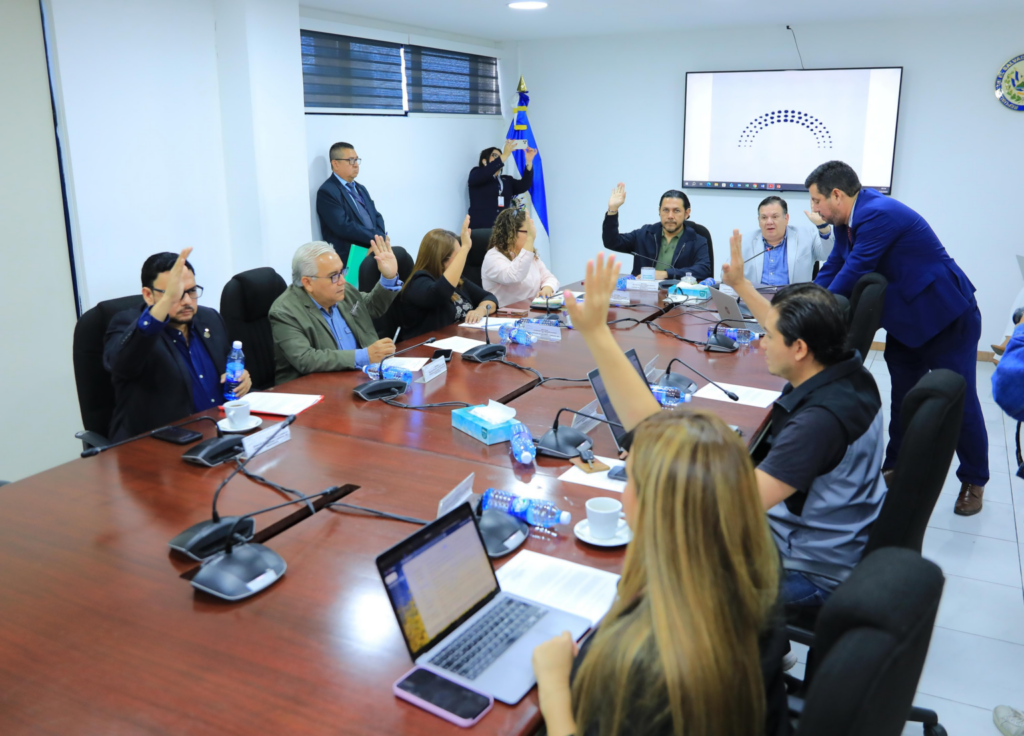
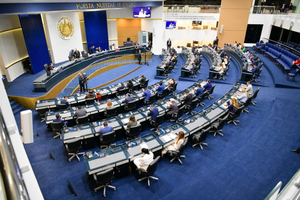
The Finance Committee of El Salvador’s Legislative Assembly endorsed a favorable ruling to reform the Ley Orgánica de la Dirección General de Aduanas (DGA), with the aim of ensuring that products imported into the country comply with internationally recognized fundamental labor principles and rights.
The reform proposes the addition of a new article, 27-A, within the “Customs System” section (Title II), Chapter II, concerning “Customs Control, Oversight Entities, and their Powers.” This provision will allow the DGA to verify that goods entering the country do not originate from unfair labor practices, such as forced or child labor.
Importers’ sworn statement
According to Luis Manuel Córdova, head of International Affairs at the DGA, importers will be required to submit a written statement assuring that their products were not manufactured using forced, compulsory, or child labor. This statement will be included with the import declarations.
In the event of detecting red flags or reasonable doubts about the veracity of the information, the DGA may request additional documentation to verify that the products comply with labor regulations throughout their supply chain, including manufacturing, assembly, and distribution.
Sanctions and preventive measures
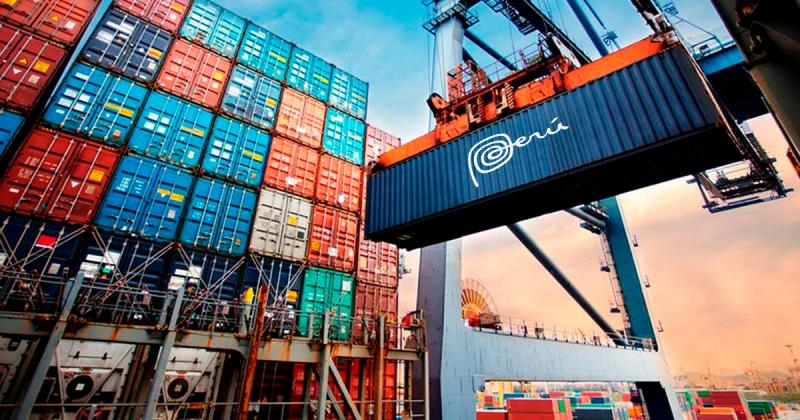
If it is proven that an importer provided false information or failed to submit the requested documentation, they may face administrative, civil, or criminal penalties. Furthermore, the DGA may take immediate measures such as halting the import process, preventively detaining the merchandise, or denying its entry into the country, as permitted by customs law.
Inter-institutional coordination
Córdova explained that the implementation of these regulations will not be the sole responsibility of the DGA. The mechanism will include the participation of other trade control institutions, such as the Ministry of Labor and Social Welfare and the Ministry of Economy, to ensure collaborative work in verifying and enforcing the regulations.
Furthermore, adjustments will be made to the computer systems of the institutions involved, using data analysis and risk management tools, in order to optimize the inspection and monitoring of imports.
Commitment to children’s rights and international standards
The reform also reinforces El Salvador’s commitment to fundamental labor rights, especially the prohibition of the worst forms of child labor, defined as those activities that can irreversibly damage the health, safety, or morals of minors.
This prohibition is enshrined in Convention 182 of the International Labour Organization (ILO) and in national legislation through the Ley Crecer Juntos. According to Córdova, the new provision is consistent with the Constitution of the Republic, whose Articles 9, 37, and 38 recognize that no one can be forced to work without pay or consent.
Entry into force
If approved by the Legislative Assembly, the reform to the Organic Law of the General Directorate of Customs would enter into force eight days after its publication in the Official Gazette, establishing a new control standard to ensure that international trade in El Salvador respects labor rights and protects children.
You can also read: