

 A. M.
A. M. 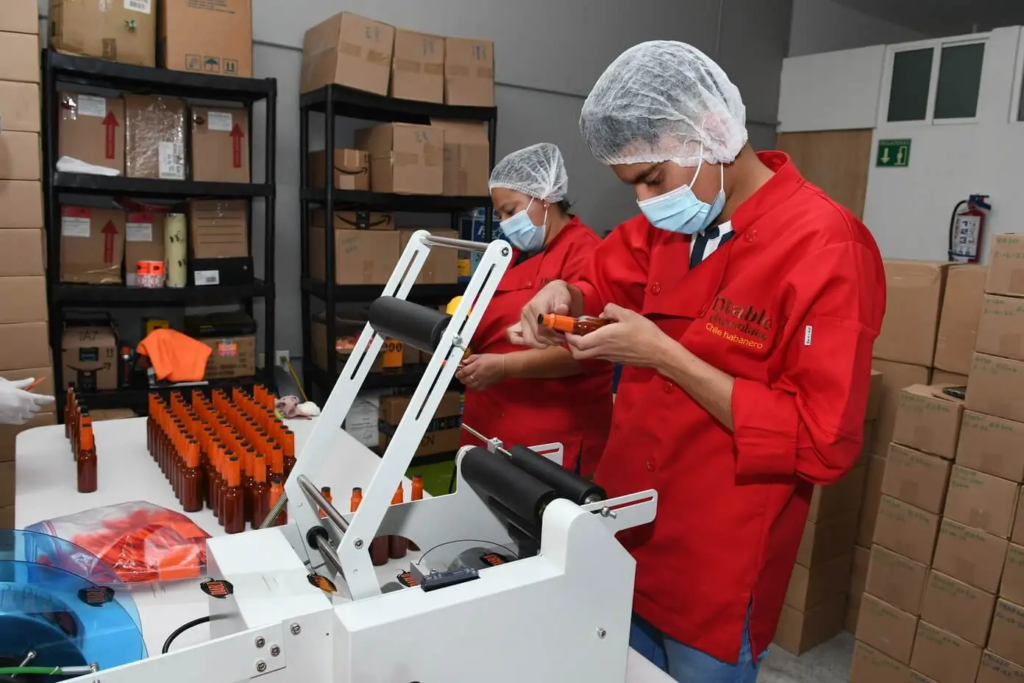
In Cojutepeque, 30-year-old Eduardo Castañeda’s routine begins each morning at the carpentry shop where he has worked for the past four years. The workshop is in the same municipality where he lives, an advantage that is as important to him as his salary: he doesn’t spend money on transportation and avoids long commutes.
Eduardo has always enjoyed working with wood. His workday starts at eight in the morning and ends at five in the afternoon, although there is some flexibility if he needs to be absent for personal reasons. “The work environment is excellent. If there’s a problem, we all solve it together”, he says.
His weekly salary varies between US$125 and US$150, depending on overtime. This means that his income exceeds the current monthly minimum wage in the commerce and services sector, which is US$408.80. With that money, he covers necessities and household expenses for himself and two other people who depend on his income. However, as is the case with many workers in the sector, his job lacks formal benefits such as social security affiliation or pension contributions. Eduardo explains that all the companies where he has worked have been informal, a common situation within the micro and small enterprise (MSE) sector.
Although he acknowledges the importance of social security, he also believes that other factors influence the perception of a good job. “The day I don’t work is the day I don’t get paid. I’m already aware of that; it’s deducted from my salary,” he explains. Even so, he says he would be willing to contribute to the health and pension system if conditions allowed.
A predominantly informal sector
Eduardo’s case reflects a widespread reality in the country. According to data from the Observatorio MYPE of FUSAI, 96% of salvadoran MSEs remain informal, mainly due to economic factors and bureaucratic barriers that hinder their formalization.
In its report, “State of MSMEs 2025: The Other Side of the Economy”, the institution points out that wages represent 68.6% of the value added generated by formal MSMEs. At the same time, the gross operating surplus, the margin remaining to invest, grow, or weather difficult periods—fell below 20% between 2022 and 2023. These figures reflect the financial limitations many small businesses face in covering the costs associated with formalization, such as social security contributions or compliance with other labor obligations.
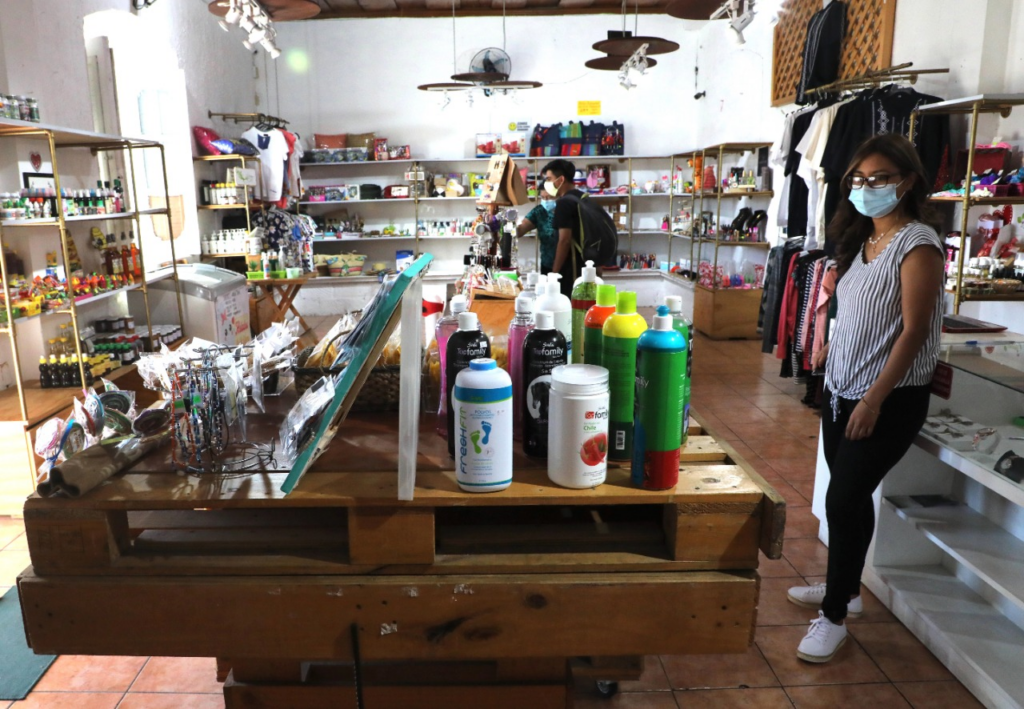
In practice, this means that many businesses operate with reduced margins. For small workshops like the carpentry shop where Eduardo works, absorbing these additional costs could jeopardize their sustainability.
Immediate income and proximity to home
When analyzing the quality of employment in MSMEs, the debate often focuses on monthly wages and access to employee benefits. However, other factors influence workers’ decisions.
In many cases—especially among young people—the possibility of receiving immediate net income, without deductions for mandatory contributions, as well as the proximity of the workplace to their home, is a significant factor. This allows for reduced expenses and time spent commuting, something especially relevant in areas where formal job opportunities are limited.
For workers like Eduardo, these conditions make jobs in small, local businesses a better fit for their daily lives.
The social protection gap
Despite these advantages, the lack of benefits remains one of the sector’s main challenges. According to the Dirección General de Estadística y Censos, through the 2023 Encuesta de Hogares de Propósitos Múltiples 2023, coverage among the country’s employed population reaches only 36.5%.
Within the informal MSME segment, which represents most productive units—this coverage is practically nonexistent.
Expanding access to social protection without affecting the viability of businesses is one of the main challenges facing the Salvadoran labor market.
Competitiveness as a starting point
Industry specialists point out that improving formalization requires strengthening the competitiveness of MSMEs. Key factors include:
• business management training,
• access to financing on suitable terms,
• improvements in production processes,
• incorporation of technology,
• and access to new markets.
The largest segments within the MSME ecosystem, such as small businesses with greater financial stability, have demonstrated that when income is consolidated and technical support is available, it is possible to move toward formal labor relations.
A key sector for the economy
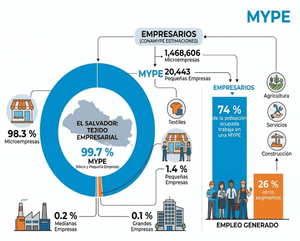
MSMEs play a fundamental role in the Salvadoran economy. According to estimates
Micro, small, and medium-sized enterprises (MSMEs) play a fundamental role in the Salvadoran economy. According to estimates cited in the Observatorio MYPE report, this sector contributes between 45% and 48.8% of the country’s Gross Domestic Product (GDP), a figure that even surpasses national income from remittances.

In recent years, the government has implemented measures to facilitate business registration and simplify some initial formalization processes. However, analysts point out that it is still necessary to continue reducing administrative costs and the time required to comply with legal obligations once a business is formalized.
A long-term challenge
The debate on labor benefits in MSMEs can be approached from two perspectives. One focuses solely on the gap between what the law requires and what happens in the labor market. The other raises a deeper question: what conditions must be created for formalization to be viable for most businesses in the country?
Eduardo’s story aptly summarizes this reality. He doesn’t reject formalization or the benefits it could bring. However, they also value the advantages of working close to home and in a flexible work environment.
The challenge for public policy lies in ensuring that both aspects—social protection and business sustainability—can coexist within a sector that, due to its economic and social weight, will continue to be one of the pillars of employment in El Salvador.
You can also read: