

 dinero_admin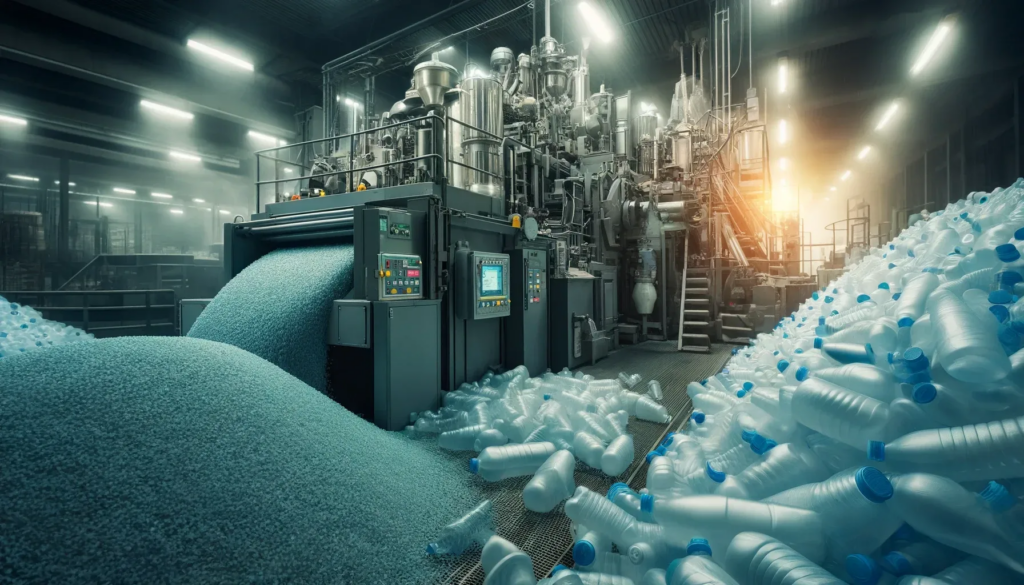
The temporary closure of resin supplier plants, caused by the armed conflict in the Middle East, is having a significant impact on the global supply chain, directly affecting the plastics industry in El Salvador, according to the Asociación Salvadoreña de la Industria del Plástico (ASIPLASTIC).
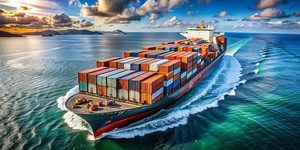
According to the statement, some plants have suspended operations while others have suffered infrastructure damage, exacerbating disruptions in the availability of essential raw materials for production. This situation has increased logistical difficulties internationally, including shipping delays, supply limitations, and disruptions to maritime transport services.
The association explained that oil and natural gas are key inputs for the manufacture of plastic resins, so the sustained increase in their international prices has led to a significant rise in production costs. In some cases, the price of resins has exceeded 100% compared to pre-conflict levels.
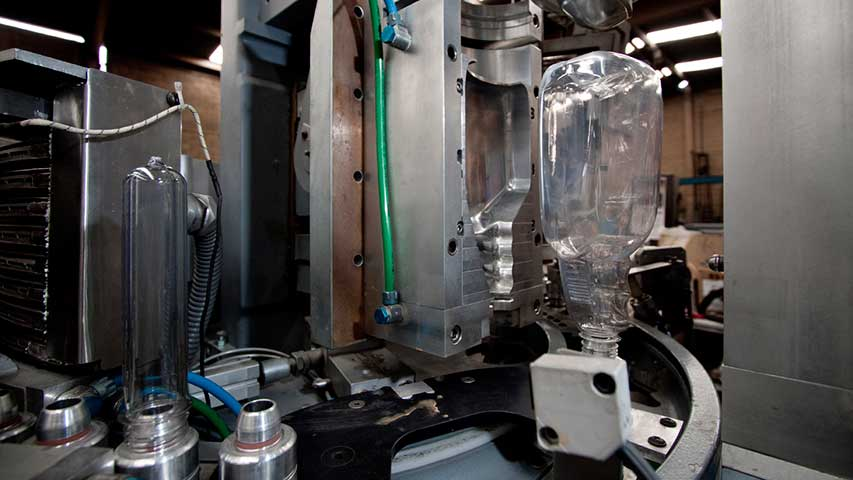
Furthermore, the increased cost of factors such as freight, insurance, and transit times has intensified the pressure on companies’ operating costs, impacting the entire supply chain. El Salvador, due to its heavy reliance on imported inputs, is particularly vulnerable to these changes in the global market.
ASIPLASTIC warned that these effects are not limited to its sector, as the plastics industry is a key supplier for diverse areas such as food and beverages, pharmaceuticals, agribusiness, construction, commerce, and services. Therefore, the increased costs could be passed on to various products and affect the end consumer.
The association also noted that if volatility persists in energy and logistics markets, adjustments in final prices could occur, as well as potential difficulties in product availability, which would impact the competitiveness of companies and the stability of supply in the region.
Despite this situation, companies in the sector are assured that they are making efforts to mitigate the impact, optimizing processes and absorbing some of the price increases to maintain operational continuity. However, they emphasized that external factors such as geopolitical conflicts and supply chain disruptions are beyond their control.
Finally, ASIPLASTIC reiterated its commitment to the country’s industrial development, the responsible supply of essential products, and transparency in communicating with the public regarding the challenges facing the sector.
You can also read: