

 dinero_admin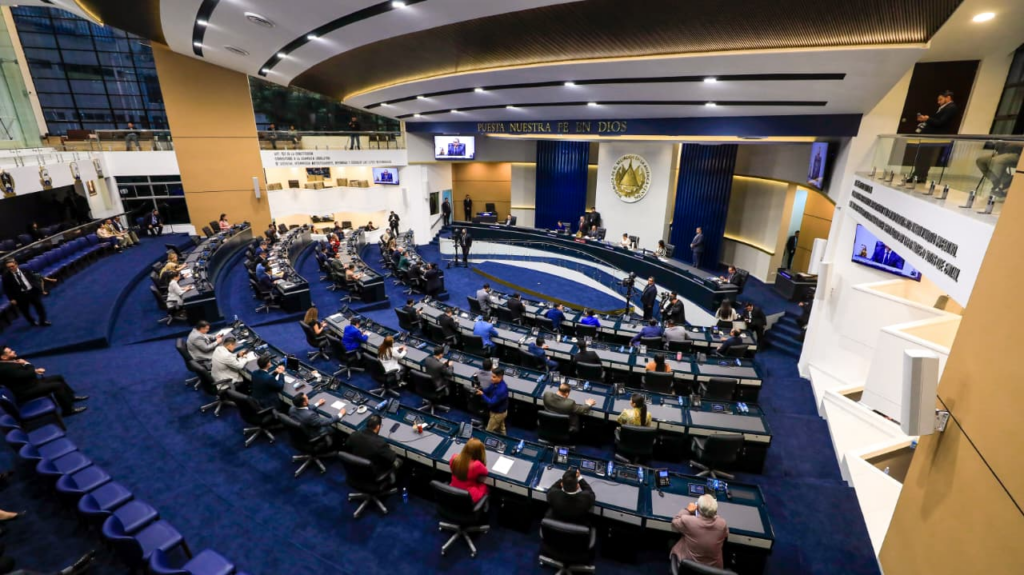
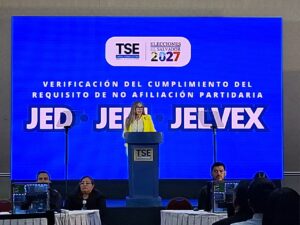
The Legislative Assembly approved an amendment to Article 208 of the Constitution of the Republic to modify the election mechanism for magistrates of the Tribunal Supremo Electoral (TSE), aiming to ensure they are independent professionals without ties to partisan interests.
The initiative was proposed by the president of the legislative body, Ernesto Castro, and received 57 votes in favor. The change proposes a restructuring of the TSE’s composition, with the purpose of strengthening the impartiality, transparency, and professionalism of its officials.
Until now, the regulations stipulated that three of the five TSE magistrates were selected from shortlists submitted by the political parties or coalitions with the greatest electoral support, while the other two were nominated by the Tribunal Supremo Electoral (TSE). All were elected by the Legislative Assembly for a five-year term.
With the approved reform, the Tribunal Supremo Electoral (TSE), will continue to be composed of five magistrates, but their terms will be six years. Three of them (including the president of the body) will be elected through a public process focused on evaluating professional and academic merit. The other two magistrates will be selected by the Legislative Assembly with the favorable vote of at least two-thirds of the deputies, from shortlists proposed by the Corte Suprema de Justicia (CSJ).
One of the most significant changes is that political parties will no longer have the power to directly nominate TSE magistrates, eliminating the party quota system that has historically characterized this process. However, political parties will maintain a role as guarantors of the transparency, legality, and legitimacy of the electoral processes.
The reform also seeks to align this selection mechanism with that used for other second-tier positions, such as the justices of the Corte Suprema de Justicia (CSJ), the heads of the Corte de Cuentas de la República, Fiscalía General de la República and Procuraduría General de la República.
According to legislators, the Political Commission will be responsible for evaluating the profiles of the applicants, prioritizing objective criteria such as academic preparation, professional experience and the technical skills necessary for the position.
The deputy leader of the Nuevas Ideas party, Caleb Navarro, stated that this amendment aims to advance the professionalization of the public service and ensure that officials are selected based on merit. He also indicated that this change seeks to move beyond previous practices in which, he said, positions were distributed through political agreements without proper technical evaluation.
With this reform, authorities hope to strengthen the country’s electoral institutions and ensure that the Supreme Electoral Tribunal’s (TSE) decisions are based on technical criteria and not partisan interests, to consolidate public trust in the electoral process.
You can also read: