

 A. M.
A. M. 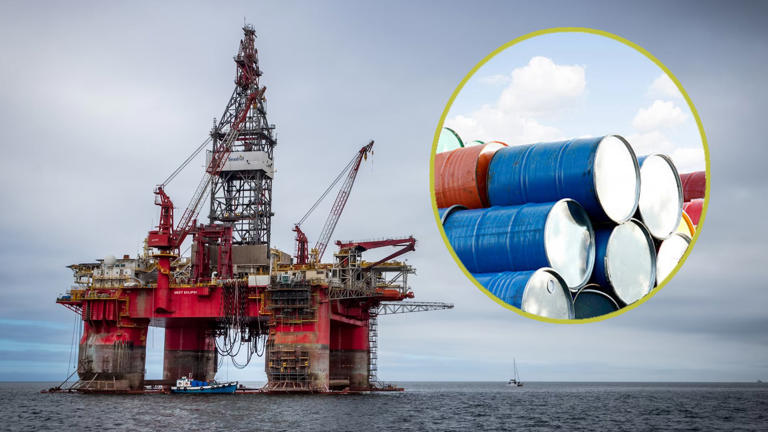
The International Energy Agency (IEA) announced it will release 400 million barrels of oil from its strategic reserves onto the market, in what it described as the largest emergency release of reserves in the organization’s history. According to CNN and the EFE news agency, the measure aims to offset the disruption to global supply caused by the effective closure of the Strait of Hormuz, one of the main maritime routes for transporting crude oil worldwide.
According to CNN, the announcement was made by IEA Executive Director Fatih Birol, who explained that the decision was adopted unanimously by the organization’s member countries. According to Birol, the objective is to increase the supply of oil on the international market and reduce the impact that the current energy crisis could have on the global economy.
The closure of the Strait of Hormuz, considered one of the most important maritime corridors for oil trade, has generated concern in energy markets due to its key role in transporting crude oil produced in the Middle East to other regions of the world.
The decision to release oil from strategic reserves comes amid strong volatility in crude oil prices. At the beginning of the week, the price of oil reached over $100 per barrel, a level not seen since 2022, when the Russian invasion of Ukraine began.
Subsequently, prices fell after statements by US President Donald Trump, who asserted that the conflict with Iran could end “very soon”, generating expectations of a possible stabilization in energy markets. However, analysts point out that the outlook remains uncertain due to geopolitical tensions in the region.
Meanwhile, Saudi Aramco, the Saudi state oil company, warned of the potentially “catastrophic consequences” a prolonged conflict could have on the global oil supply if tanker traffic through the Strait of Hormuz is not restored.
Energy sector experts have also pointed out that strategic reserves can help cushion the impact of a temporary supply disruption. However, they caution that if the conflict drags on for several months, these reserves alone might not be enough to balance the market.

Saudi Aramco CEO Amin Nasser indicated that the energy industry is facing one of its most challenging periods in recent years, with global oil inventories at their lowest levels in five years, according to reports cited by Reuters.
Against this backdrop, the release of 400 million barrels aims to temporarily increase the global supply of crude oil and reduce price pressures, while governments and international organizations evaluate further measures to ensure the stability of the global energy market.
You can also read: