

 A. M.
A. M. 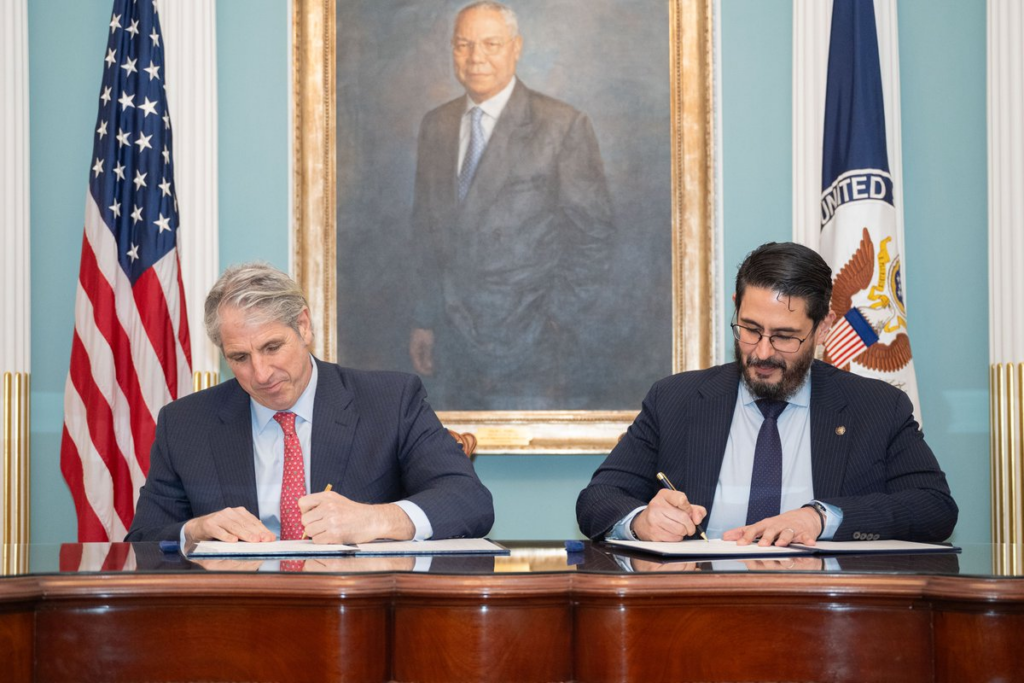
The United States and El Salvador signed Agreement 123 on Civil Nuclear Cooperation between the United States and El Salvador, a step considered historic for strengthening bilateral cooperation in energy, technology, and security.
The announcement was made by the official account of the U.S. Under Secretary for Arms Control and International Security, who reported on the social media platform the conclusion of negotiations and the signing of the agreement alongside the president of the Comisión Ejecutiva Hidroeléctrica del Río Lempa (CEL), Daniel Álvarez.
The message also highlighted the participation of the salvadoran ambassador to Washington, Milena Mayorga, who oversaw the diplomatic process that culminated in this bilateral agreement.
According to U.S. authorities, this milestone strengthens the relationship between the two nations, promotes energy security, and expands economic and technological cooperation.
Nuclear cooperation for peaceful purposes
Agreement 123 is an instrument used by the United States to establish legal frameworks that allow it to cooperate with other countries in the development and use of nuclear energy for civilian and peaceful purposes.
This type of agreement establishes clear rules for the exchange of technology, technical knowledge, and institutional cooperation in the nuclear field, under international safety and oversight standards.
With the signing of the agreement, El Salvador expands its opportunities for international cooperation to explore advanced energy technologies that contribute to diversifying the country’s energy mix.
Energy security and technological development

Following the signing of the agreement, Daniel Álvarez noted that it is an important milestone in the relationship between the United States and El Salvador, as it will strengthen energy cooperation and advance the development of new technological capabilities.
According to the official, this type of collaboration will contribute to improving energy security and boosting innovation in the electricity sector.
“Energy cooperation will contribute to strengthening energy security and shaping the future of our region”, the official said.
Álvarez also emphasized that the agreement will strengthen the country’s technical and institutional capacities to move toward a sustainable and reliable electricity system.
Knowledge exchange and technical cooperation
One of the main benefits of the agreement is the exchange of knowledge and technical cooperation between the two countries in the area of civil nuclear energy.
This will allow for the expansion of specialist training, promote research, and foster the development of innovative energy technologies that can contribute to improving the electricity supply in the future.
The cooperation will also facilitate access to international technical assistance and experiences that will allow for the evaluation of new energy alternatives for the country.
Role of the salvadoran nuclear program

The process also involves the Agency for the Implementation of the Nuclear Energy Program (OIPEN), the entity responsible for supporting the salvadoran government’s efforts to evaluate and promote innovative energy alternatives.
According to authorities, this organization will continue to support the technical and strategic studies necessary to analyze the potential development of civilian nuclear technologies in the country.
The goal is to strengthen energy security through a more diversified, modern, and sustainable electrical system.
A new chapter in bilateral cooperation
The signing of Agreement 123 opens a new stage of cooperation between the United States and El Salvador in the energy and technology sectors.
Authorities from both countries believe that this alliance will expand scientific collaboration, strengthen institutional capacities, and explore new energy solutions that contribute to the sustainable development of the region.
You can also read: