

 A. M.
A. M. 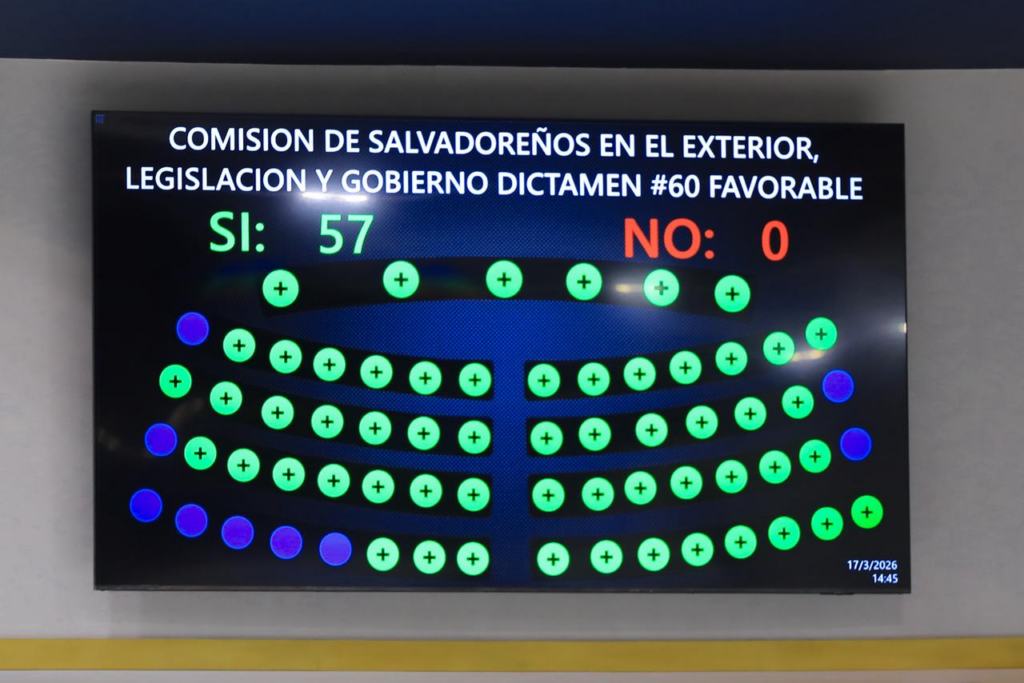
Foreigners who obtain temporary residence in El Salvador must remain at least 90 days a year in the national territory, according to the reforms to the Special Immigration and Immigration Law approved with 57 votes by the Legislative Assembly of El Salvador. This measure becomes one of the central axes of the new regulations, seeking to ensure that those who reside in the country maintain a real and sustained presence.
The requirement not only establishes a legal condition but aims to strengthen the link between the resident and the country. The minimum annual stay aims to prevent residency from being used solely as an administrative procedure, promoting instead an active relationship that includes participation in the economy, local consumption and social integration.
A change of focus in immigration policy
The provision reflects a shift in the country’s immigration vision. Instead of limiting itself to facilitating the entry of foreigners, the regulations seek to ensure that those who obtain residency contribute effectively to national development.
Representative Ana Figueroa explained that the objective is for temporary residents not only to remain in the country for minimum periods, but to establish a real connection with the economic and social dynamics.
This approach also responds to the need to regulate the growth of foreigners’ interest in residing in El Salvador, guaranteeing clear rules and greater legal security.
Facilitation for investors and business people
Within the reforms, a section is included aimed at foreign investors and business people. The regulations recognize that this profile requires constant mobility, which is why it seeks to provide conditions that facilitate their permanence without losing their immigration status.
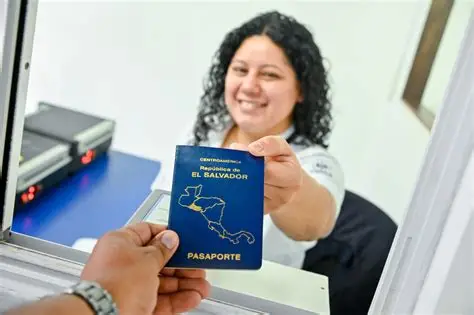
At the same time, the 90-day requirement works as a mechanism to ensure that these investors maintain a presence in the country, generating economic activity and contributing to local growth.
Family reunification as a key axis
Another relevant component of the reform is family reunification. With the approved changes, children of naturalized salvadorans who were born abroad will be able to access Salvadoran nationality.
This measure seeks to guarantee family unity and reinforce the protection of children, integrating more people into the social fabric of the country under a clear legal framework.
Stricter rules and legal certainty
The modifications cover articles 49, 119, 164 and 279 of the law, with the purpose of establishing more defined criteria on residence, permanence and nationality.
The most relevant provisions also include specific causes for the loss of nationality through naturalization, such as:
Commit serious intentional crimes.
Residing for more than two years in the country of origin.
Staying outside El Salvador for more than five years without authorization.
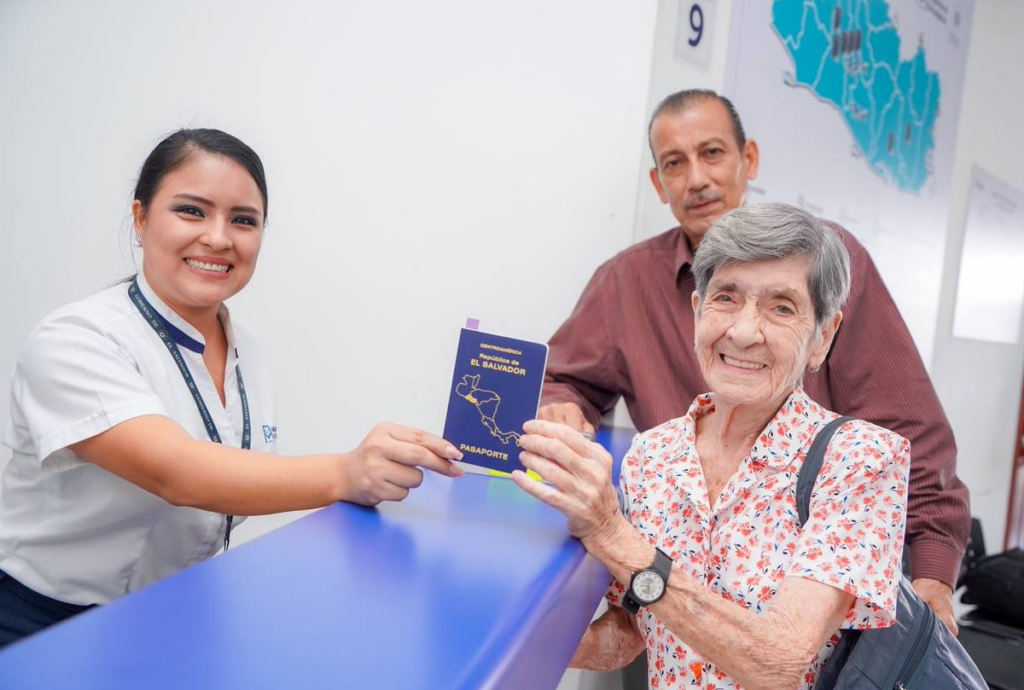
These measures seek to balance openness to new residents with a control framework that guarantees respect for the laws.
Adaptation to a new reality
The authorities point out that these reforms respond to a change in the country’s migration dynamics. For decades, El Salvador was mainly a country of emigrants; However, in recent years it has begun to attract foreigners interested in residing, investing or doing business.
Faced with this new scenario, the updating of the regulations aims to organize the migratory flow, strengthen legal security and generate economic benefits.
Altogether, the requirement of a minimum stay of 90 days a year is positioned as a key measure within the reform, ensuring that temporary residents not only obtain legal status, but also maintain an active participation in the economic and social life of the country.
You can also read: