


 A. M.
A. M. 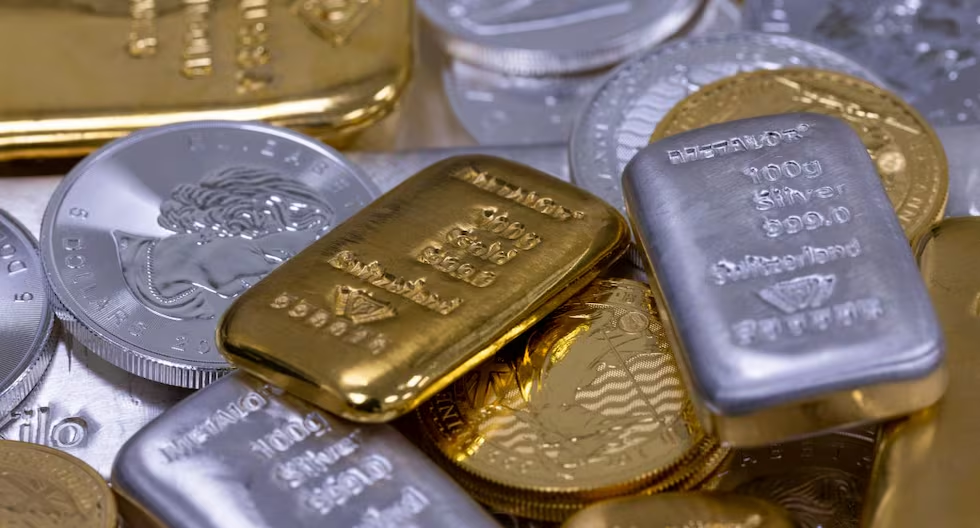
Gold and silver registered sharp declines in international markets, falling by almost 5% and more than 10%, respectively, in a session marked by inflationary pressures, monetary policy decisions, and a complex geopolitical environment, according to data provided by Bloomberg Online.
Spot gold settled at US$4,583.28 per ounce, while silver fell to US$67.54, reflecting a significant shift in the dynamics of assets traditionally considered safe havens. Both metals have accumulated sustained losses in recent weeks: gold has retreated nearly 9% in the last month and has now declined for seven consecutive trading days, while silver has fallen around 16% in the same period.
This behavior is primarily due to the impact of rising energy costs, which has reignited inflationary concerns globally. The rise in oil prices has generated expectations that inflation will remain high, which in turn reinforces the possibility that interest rates will remain elevated for longer.
In this context, the monetary policy of the US Federal Reserve has been a determining factor. The decision to maintain interest rates in a range of 3.5% to 3.75% and the message of caution regarding inflation have strengthened the performance of dollar-denominated financial assets, making metals like gold, which do not generate returns, less attractive.
Another key element has been the strengthening of the dollar, which tends to attract capital during times of global uncertainty. This phenomenon introduces direct competition with gold as a safe-haven asset, reducing its demand in international markets. In addition to macroeconomic factors, technical aspects have also influenced the decline in gold. The break below key levels in its price has generated further selling driven by market movements, deepening the recent downward trend.
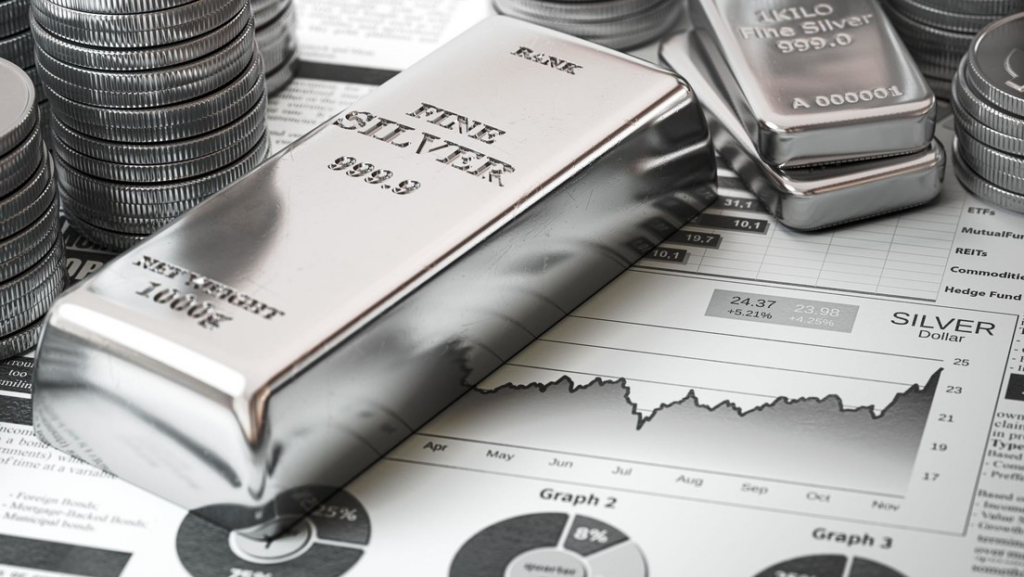
Silver, meanwhile, has shown a more pronounced decline due to its dual nature: in addition to being an investment asset, it is also an industrial input used in sectors such as electronics, solar energy, and manufacturing. This makes it more sensitive to changes in expectations of economic growth, liquidity, and global demand.
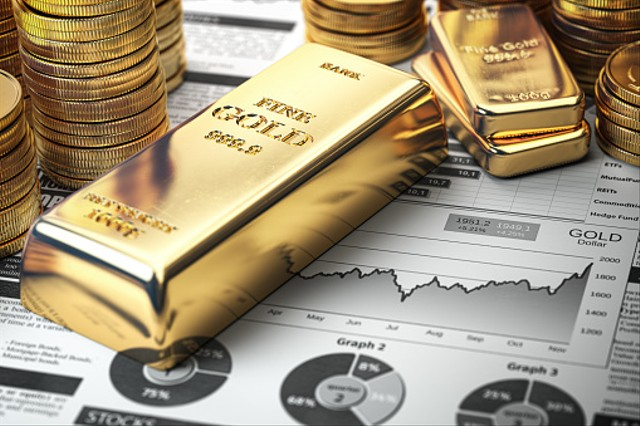
Volatility has been another prominent feature in the behavior of both metals. Amid the conflict in the Middle East, prices have experienced significant fluctuations, highlighting limitations in their role as a haven during prolonged crises.
Overall, the decline in gold and silver reflects a shift in market priorities, where factors such as inflation, interest rates, and the strength of the dollar have displaced the traditional appeal of these assets as a hedge against uncertainty.
You can also read: