

 A. M.
A. M. 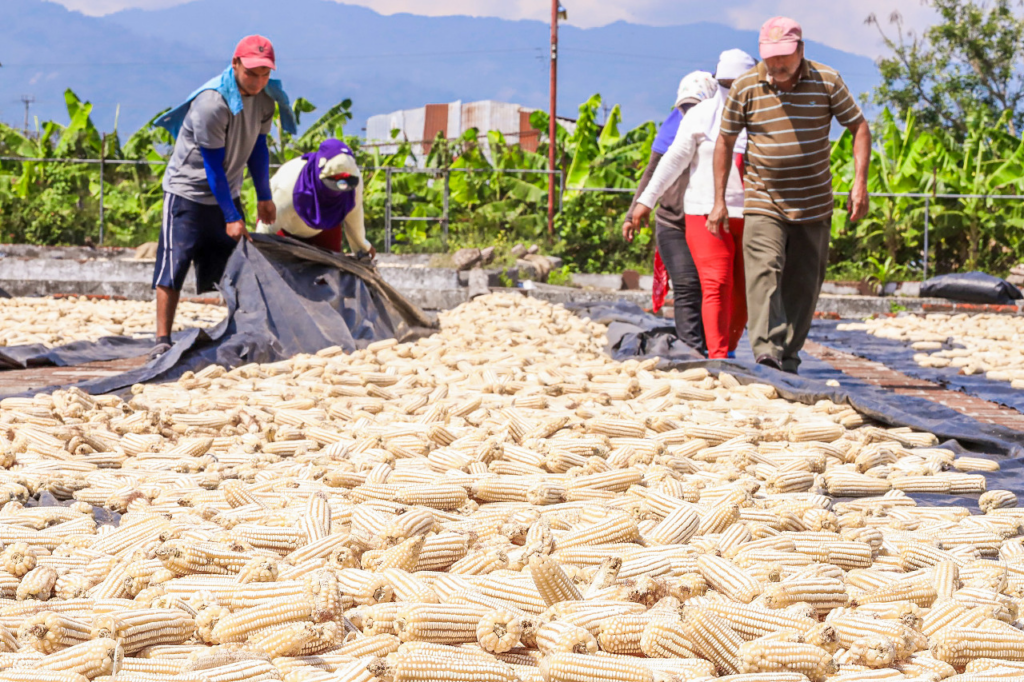
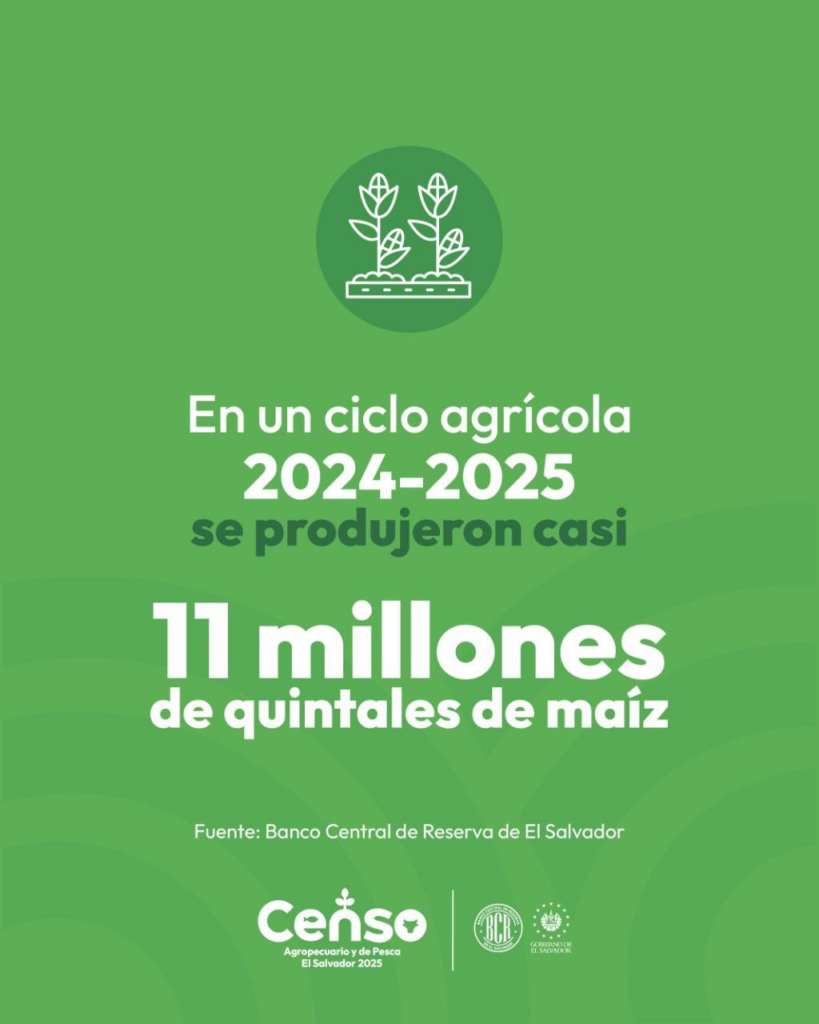
Corn continues to establish itself as the country’s most important crop, following the release of the 5th V Censo Agropecuario y I de Pesca 2025 which revealed that nearly 11 million quintals of this staple grain were produced during the 2024–2025 agricultural cycle.
According to figures from the Banco Central de Reserva de El Salvador (BCR), this production volume not only reflects the agricultural sector’s productive capacity but also the importance of corn to national food security, as it is one of the main components of salvadorans’ daily diet.
One of the report’s key highlights is the participation of more than 400,000 families engaged in corn cultivation throughout the country. This demonstrates that the crop has not only an economic impact but also a social one, as it represents a direct source of income and livelihood for a significant portion of the rural population.
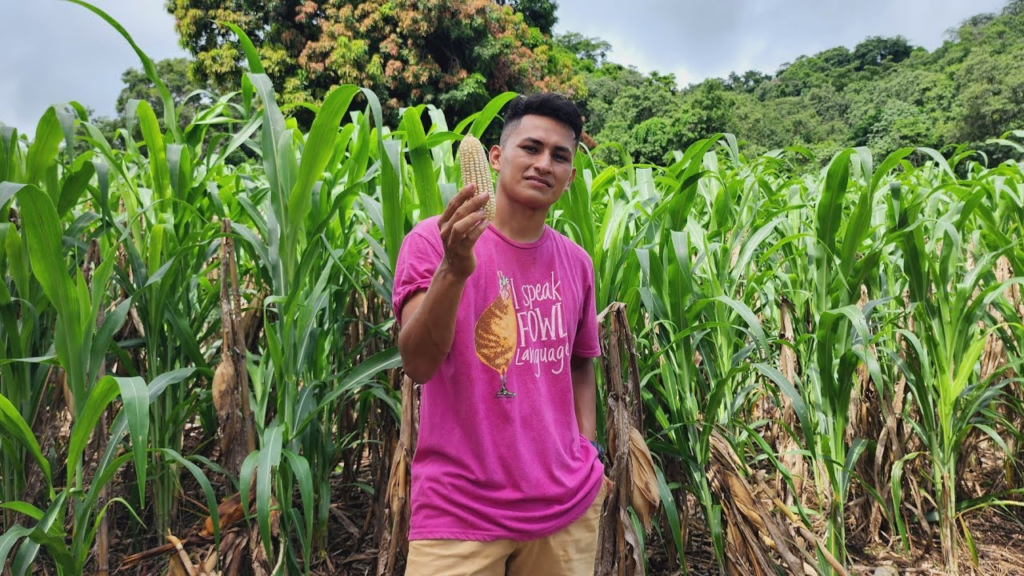
Corn is considered a pillar of the country’s agricultural economy due to its widespread presence in the production chain. From planting and harvesting to marketing, it generates employment and economic activity at various stages, benefiting producers, transporters, and merchants.
Furthermore, the high level of production recorded ensures a steady supply to local markets, contributing to price stability and access to basic foodstuffs for Salvadoran households. This is a key factor in a context where food security is a priority for the country’s development.
The census also marks a significant step forward in the generation of statistical information, as it is the most comprehensive study conducted in the last 17 years. Its 100% digital implementation made it possible to obtain more accurate, up-to-date, and reliable data on the reality of the agricultural sector.
Authorities have noted that this information will be essential for guiding public policies focused on improving productivity, strengthening support for farmers, and promoting the sustainable development of the salvadoran countryside.
In this context, corn remains not only a traditional crop but also a strategic element for the country’s present and future, ensuring food, employment, and economic stability in rural areas.
You may also read: