

 dinero_admin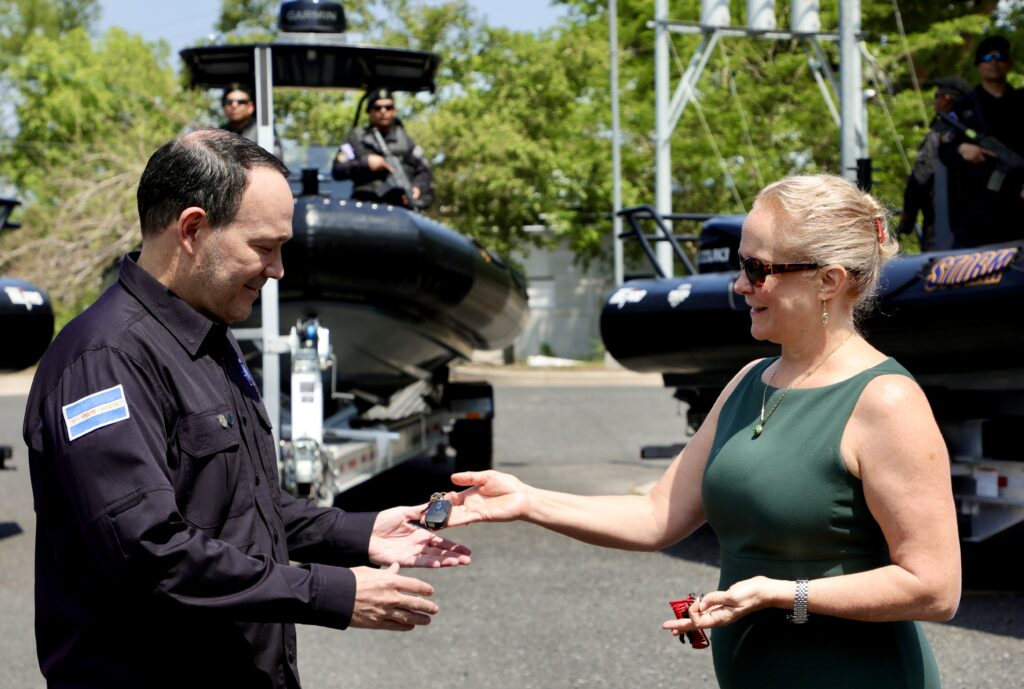
The U.S. Embassy, through the Oficina de Asuntos Antinarcóticos y Aplicación de la Ley (INL), transferred three Zodiac boats, valued at $1.2 million, to Fuerza de Policía Marítima Costera (STORM) to strengthen counternarcotics efforts in coastal waters. These vessels are faster, more durable, and equipped for nighttime operations, improving the ability to detect and intercept illicit shipments. The transfer comes after a year in which STORM seized more than 2.8 metric tons of cocaine destined for the United States.
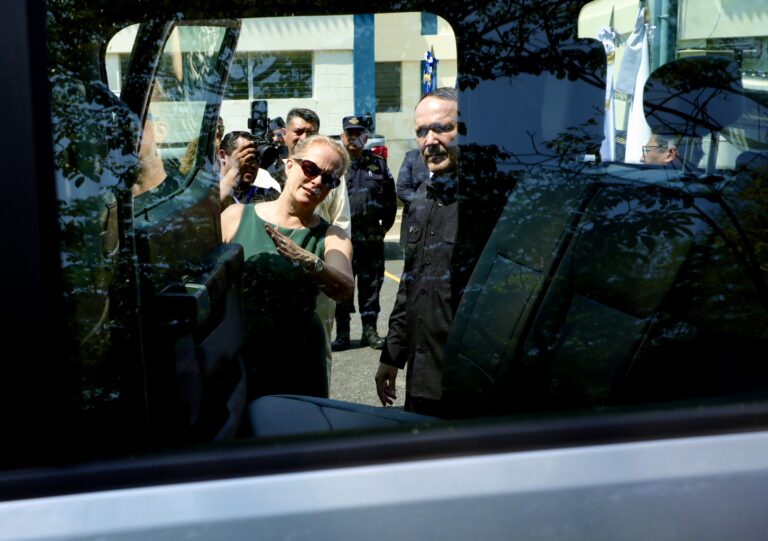
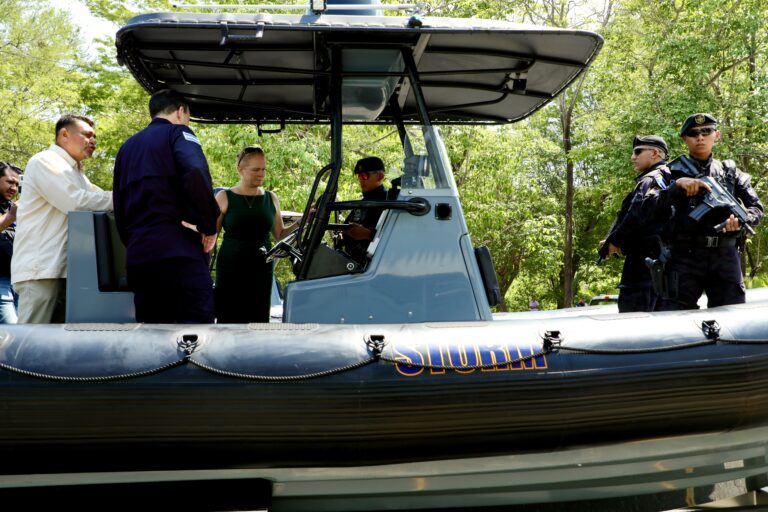
This delivery aligns with the Trump Administration’s priorities throughout the Western Hemisphere aimed at combating drug trafficking head-on. It also marks another step in the sustained and successful cooperation between the United States and El Salvador on this issue.
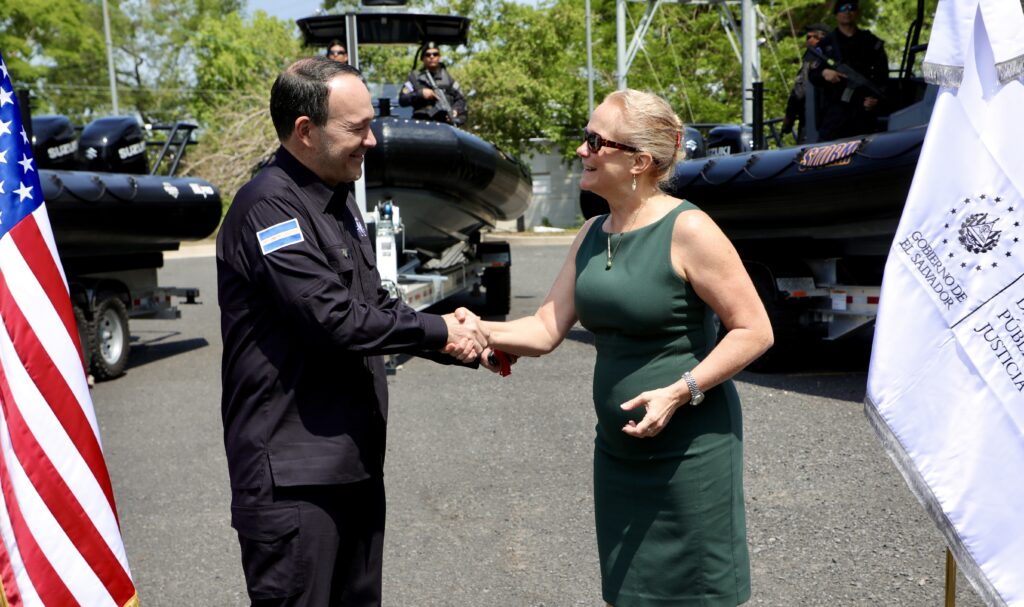
“Today we delivered three specialized vessels to the STORM team, which will strengthen their capacity to patrol coastal waters, detect and intercept maritime routes used by drug traffickers, and close critical points of illicit transit”, said Ms. Naomi Fellows, Chargé d’Affaires of the U.S. Embassy.
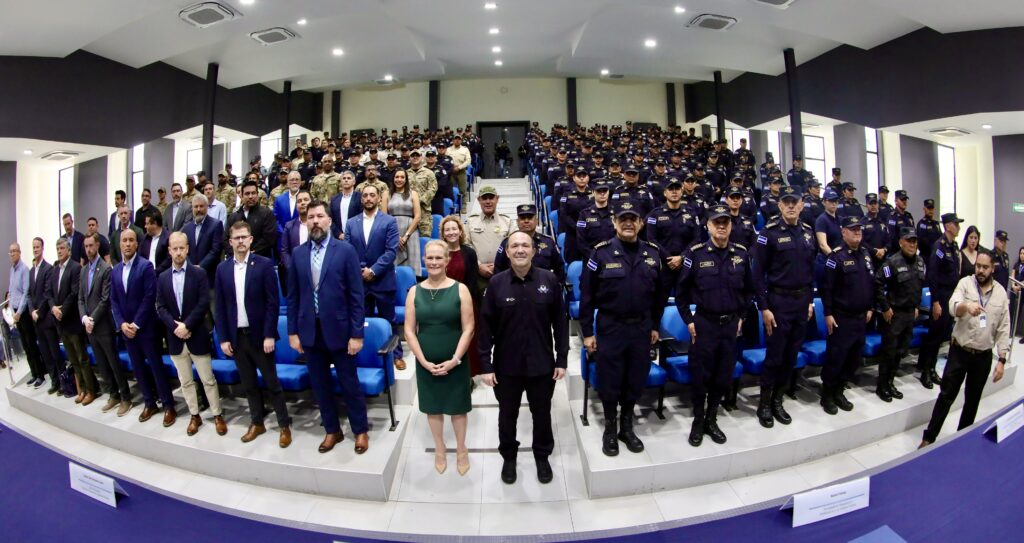
Joint training concludes
The U.S. Embassy and the Ministry of Public Security and Justice also celebrated the completion of a joint training exercise for 171 agents of the Policía Nacional Civil and the General Directorate of Migration and Foreigners. The training, conducted from april 13 to 24 as part of the multinational exercise CENTAM Guardian 26, strengthened capabilities in border security and combating transnational crime.
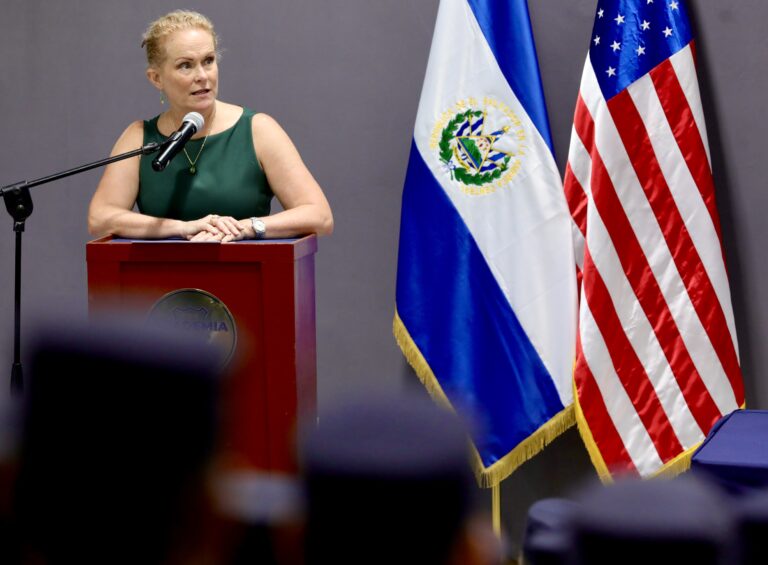
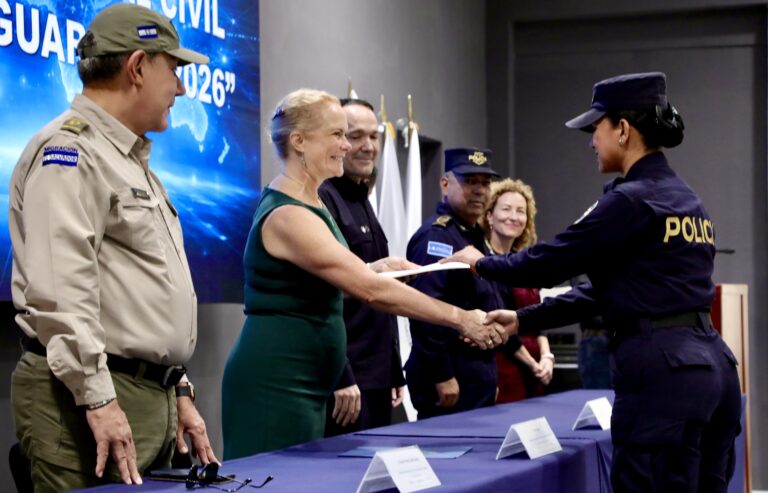
The Minister of Public Security and Justice, Gustavo Villatoro, and the Chargé d’Affaires of the U.S. Embassy, Naomi C. Fellows, presided over the closing ceremony. Ms. Fellows emphasized the importance of strengthening the detection and interdiction of drugs, weapons, money, and people to protect communities and dismantle criminal networks.
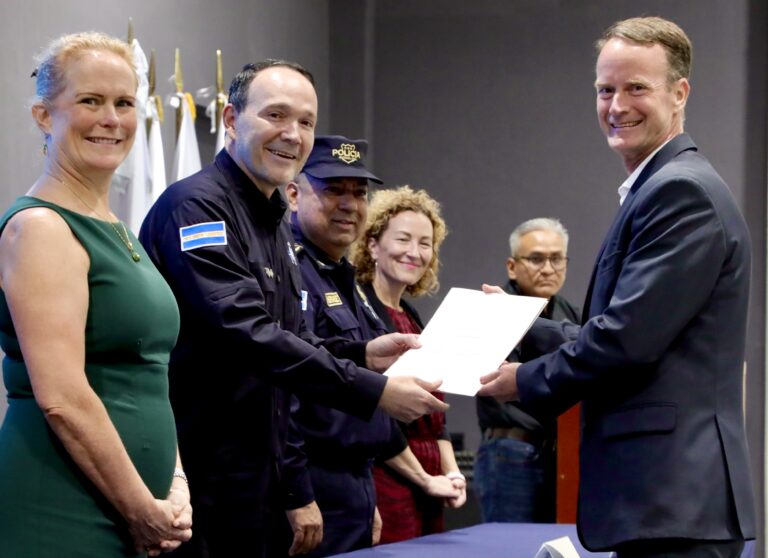
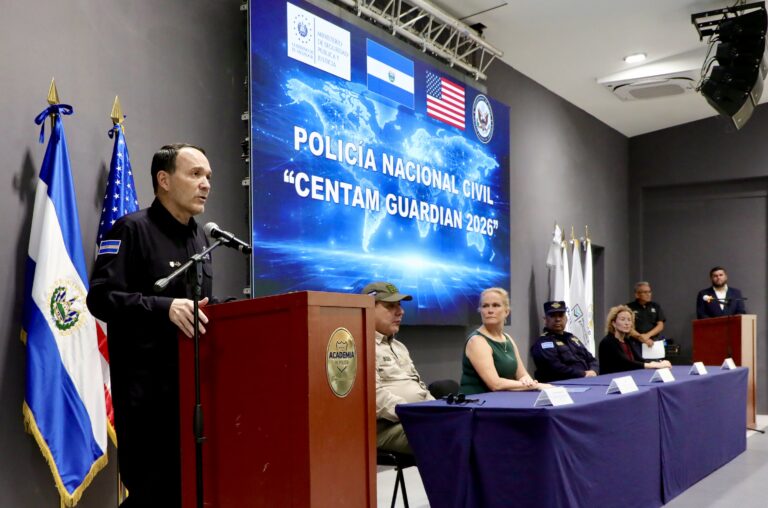
Participants strengthened their capabilities in border control, criminal investigation, and intelligence analysis across all operational phases, from detection to prosecution. The training was supported by U.S. Customs and Border Protection (CBP), the Federal Bureau of Investigation (FBI), Homeland Security Investigations (HSI), the Drug Enforcement Administration (DEA), the Bureau of Alcohol, Tobacco, Firearms and Explosives (ATF), the Bureau of International Narcotics and Law Enforcement Affairs (INL), and the Department of State’s Bureau of Homeland Security.
You can also read: