dinero_admin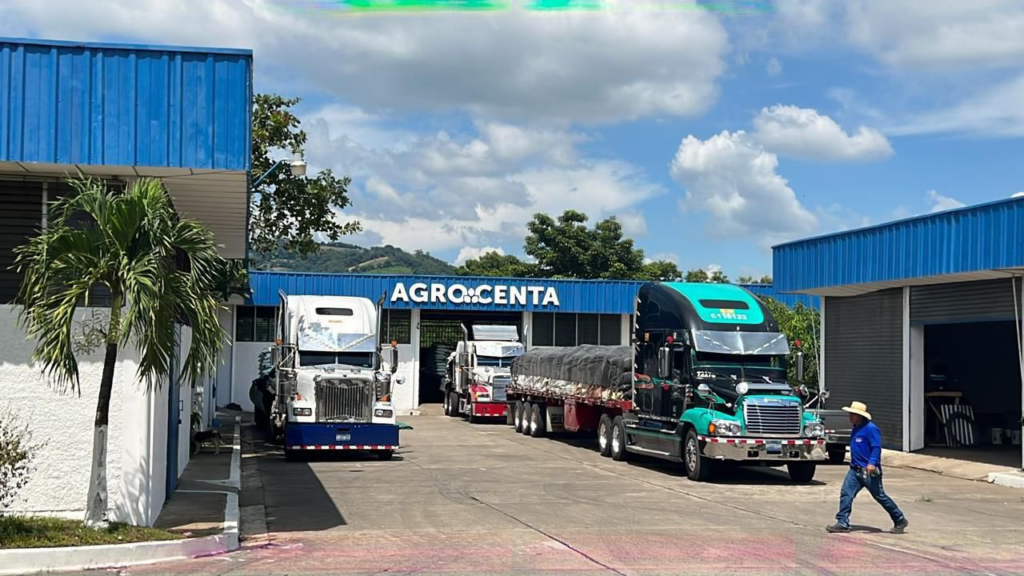
The Vice Minister of Agriculture and Livestock, Óscar Domínguez, said that the country is implementing one of the most comprehensive strategies to support agriculture, with programs aimed at increasing production, improving farmers’ profitability, and stabilizing food prices.
According to the official, these actions are part of a comprehensive policy that seeks to strengthen food security and revitalize the agricultural sector by combining investment, technology, and market access.
One of the pillars is the Programa de Aumento a la Producción, focused on raising production on a large scale. Currently, this program has over 3,000 manzanas (approximately 1,000 acres) of vegetables in continuous production and 52,000 manzanas (approximately 1,000 acres) of staple grains. It also facilitates producers’ access to low-cost inputs, high-yield, pest-resistant seeds, technical assistance, and marketing channels such as the private sector, the Central de Abastos, and agromercados.
Another key initiative is AGROCENTA, a government strategy that facilitates the sale of agricultural inputs (such as fertilizers and compost) at affordable prices. This system has 16 branches nationwide and offers home delivery, including free delivery for orders exceeding certain volumes, which is advantageous for organized producers and small farmers.
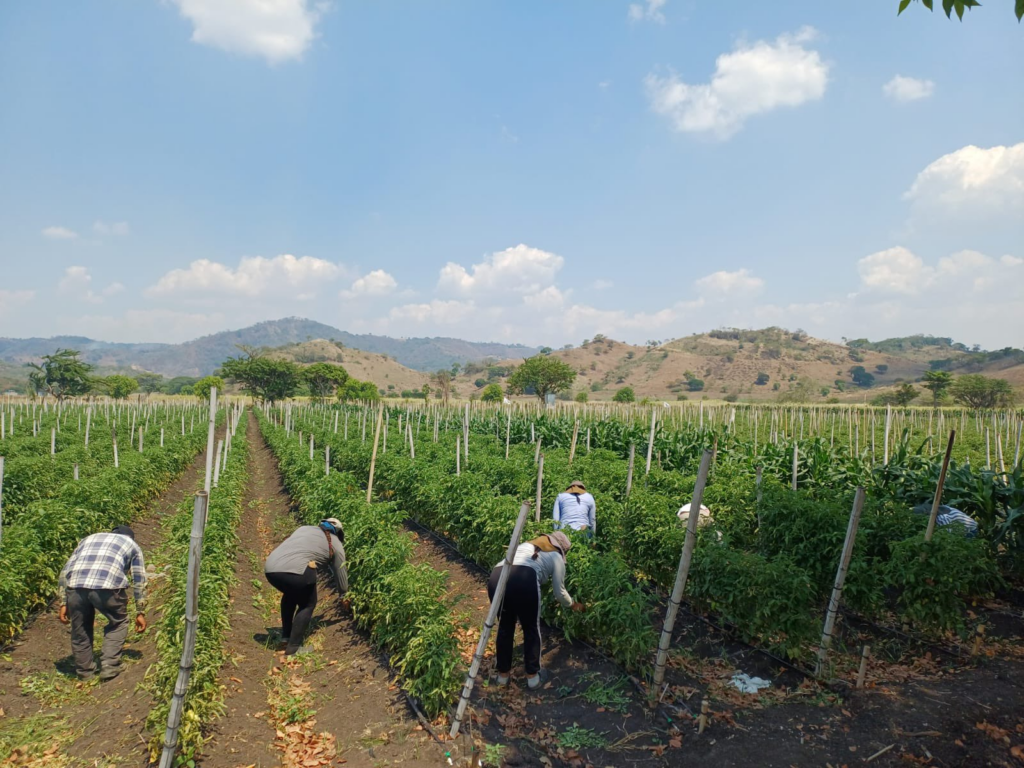
The Bono Agricola is also part of this set of measures, providing financial support to more than half a million subsistence farmers to ensure the continuity of their production activities.
In terms of technology, the government has incorporated innovative tools to improve production. Among these is a satellite monitoring system developed in partnership with Google, which allows for the early detection of pests, diseases, droughts, or excessive moisture in crops nationwide.
In addition, state-of-the-art drones have been introduced for fertilization and fumigation. These devices can cover large areas in just a few minutes, reducing costs and improving efficiency. The service will be available at a low cost during the planting season.
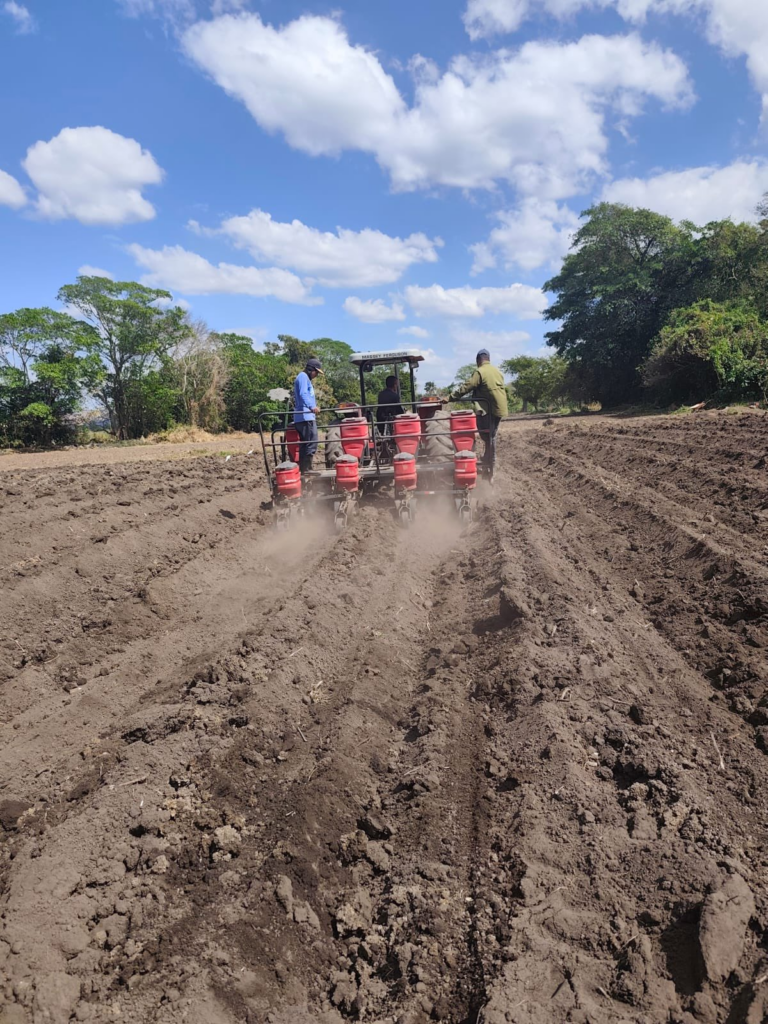
Likewise, agricultural mechanization is being promoted, especially in the cultivation of high-yield corn, to optimize production processes and increase efficiency in the field.
According to the Deputy Minister, these strategies are already yielding concrete results. Since december 2024, there have been no shortages of vegetables, the national quota for beans was met in the last harvest, and a positive outlook for the sector is maintained, despite climatic and external factors.
He also highlighted that producers currently have greater access to inputs at affordable prices and to marketing platforms that benefit both farmers and consumers.
The official noted that these efforts contribute to maintaining stable food prices, as well as positioning the country with competitive indicators in the cost of the basic food basket and inflation levels.
Although he acknowledged that challenges remain, he emphasized that the goal is to continue strengthening the agricultural sector through innovation, direct support for producers, and the consolidation of a more efficient and sustainable production system.
You can also read: