

 dinero_admin
Managing money doesn’t mean giving up everything that brings you joy or spending every dollar solely on obligations. The key is to organize your income and allocate a specific portion for needs, savings, and entertainment. This separation allows for greater control over your budget and prevents daily expenses from consuming all your available money before the end of the pay period or month.
The first step is to know how much money comes into the household. To do this, consider your monthly or bi-weekly income and based on that amount, create a list of fixed expenses, such as housing, food, transportation, utilities, education, and debt payments. These commitments should be prioritized, as they are necessary to cover your main needs and avoid falling behind on payments.
Once you’ve identified your essential expenses, it’s advisable to separate your money as soon as you receive your income, rather than waiting to see how much is left at the end of the period. One alternative is to allocate a portion for needs, another for savings, and an amount for personal activities or entertainment. The percentage can vary depending on each person’s income and responsibilities, so there’s no single formula that works for everyone.
For example, some people use the 50-30-20 rule as a guide: allocating 50% of income to needs, 30% to personal expenses or wants, and 20% to savings or additional debt repayment. However, this distribution should be adapted to each individual situation. If basic expenses represent a larger portion of income, it may be necessary to reduce the entertainment budget and start with smaller, but consistent, savings.
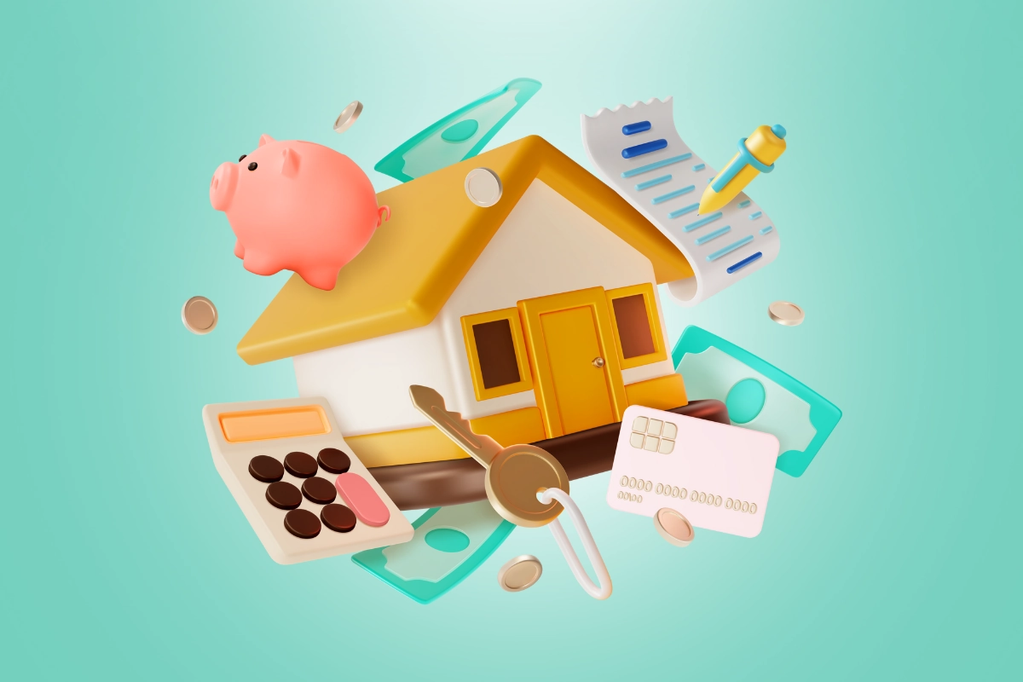
Saving should also be considered a priority within the budget. Setting aside a specific amount upon receiving your salary can help build an emergency fund, achieve a goal, or cover future expenses without immediately resorting to loans. Even if the initial amount is small, establishing the habit can facilitate better financial organization over time.
Meanwhile, allocating money to entertainment doesn’t mean spending recklessly. Having a budget for outings, digital platforms, eating out, travel, or other activities allows you to enjoy these expenses without impacting on the money allocated to your obligations. When that amount runs out, it’s advisable to wait until the next income period instead of using money set aside for necessities or savings.

To facilitate this organization, you can divide your money into different accounts, use physical or digital envelopes, or keep track in a notebook or app. The important thing is to clearly identify how much money belongs to each category and avoid mixing funds. This way, it will be easier to detect if you are spending more than planned and adjust in time.
Separating money between expenses, savings, and entertainment doesn’t require a high income, but rather knowing your priorities and setting limits that align with your financial reality. A flexible budget, reviewed regularly, can help cover your needs, move toward savings goals, and maintain a space for enjoying your money without compromising your financial stability.
You can also read: