

 dinero_admin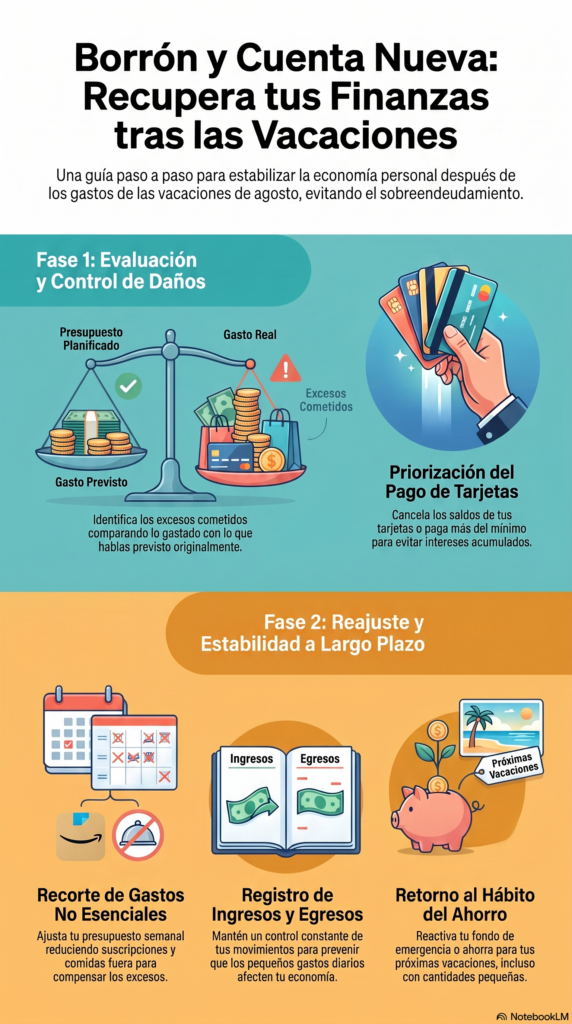
The August holidays are usually a time for rest, travel, family gatherings, and recreational activities. However, once the festivities are over, many people face the challenge of reorganizing their finances after an increase in expenses related to food, transportation, entertainment, and shopping.
Personal finance specialists recommend that returning to routine also be an opportunity to evaluate your financial situation and adopt habits that allow you to regain financial stability without resorting to unnecessary debt.
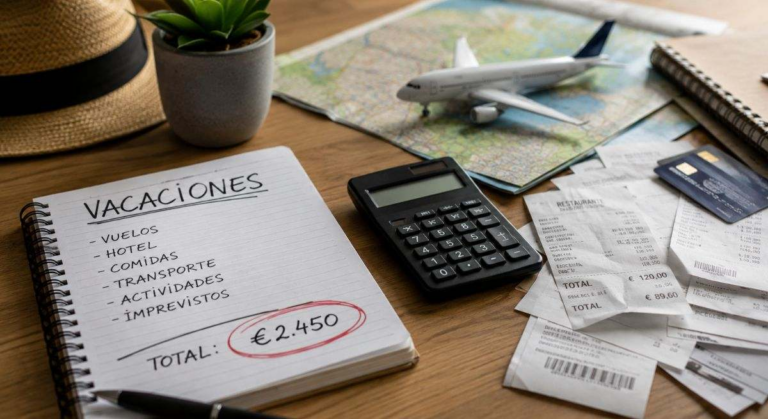
One of the first steps is to review how much money you spent during the holidays and compare it to your planned budget. This exercise allows you to identify overspending and understand the real impact the celebrations had on your household finances.
If you used credit cards during the holidays, experts advise prioritizing paying off balances to avoid interest that could increase the cost of your purchases. If you can’t pay the full amount, it’s recommended to pay more than the minimum payment whenever possible.
Another recommendation is to adjust your budget for the following weeks. Reducing non-essential expenses, such as eating out, impulse purchases, or underutilized subscriptions, can help offset the increased spending during the vacation period.
Likewise, keeping track of income and expenses makes it easier to identify savings opportunities and prevent small daily expenses from impacting on your personal finances.
Experts also emphasize the importance of getting back into the habit of saving, even if you start with small amounts. Creating a fund for future vacations or emergencies allows you to enjoy upcoming breaks without compromising your financial stability.
Finally, they remind us that good financial planning not only helps you recover after the holidays but also reduces financial stress and allows you to face your financial commitments for the rest of the year with greater peace of mind.
You can also read: