

 dinero_admin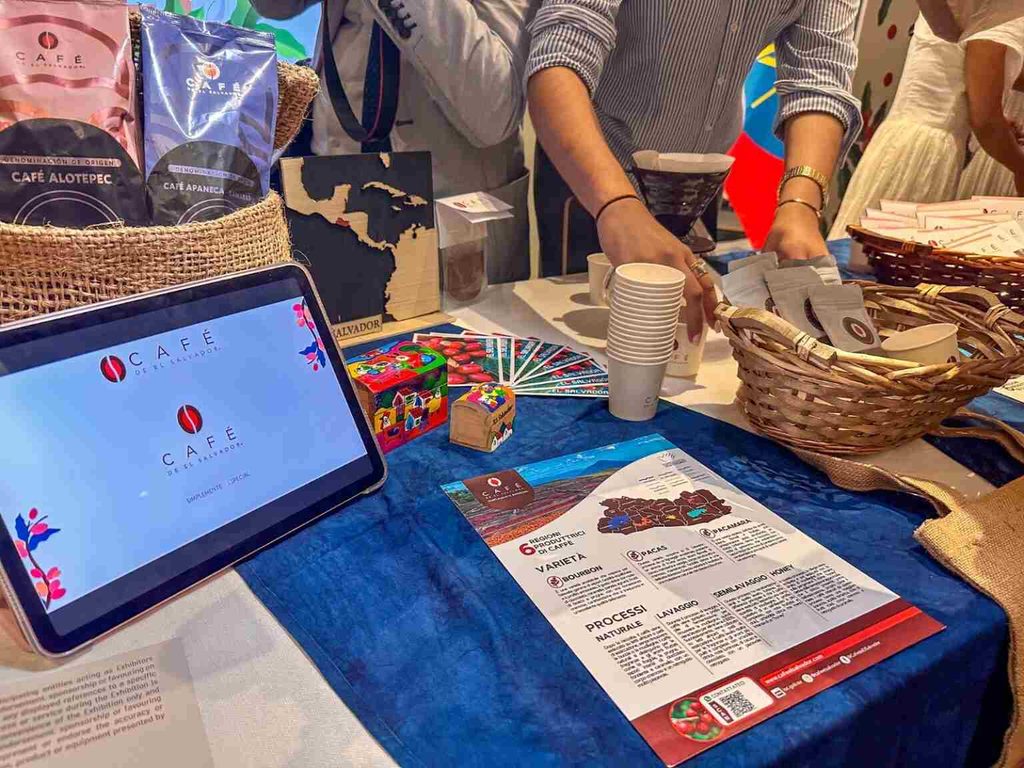
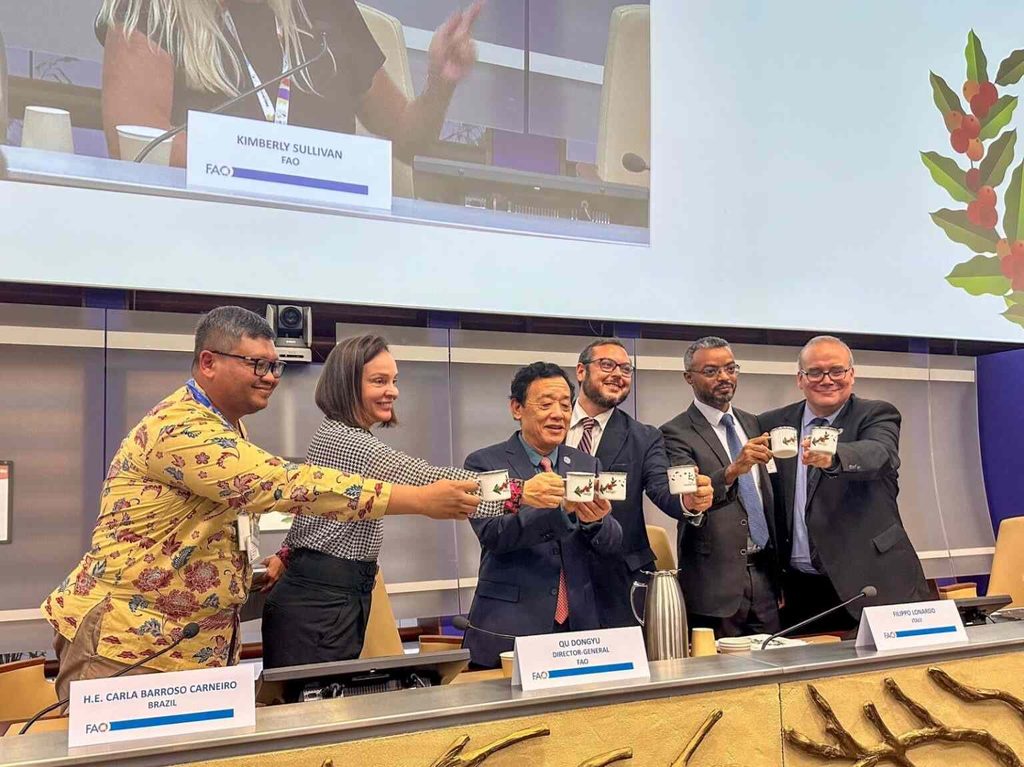
Salvadoran coffee was showcased to representatives from various countries, international organizations, and visitors of diverse nationalities during the “Taste the World of Coffee” event. Organized by the Food and Agriculture Organization of the United Nations (FAO) in Rome, Italy, the event marked the first celebration of International Coffee Day at the organization’s headquarters.
The Embassy of El Salvador in Italy and the Permanent Mission to International Organizations participated with a stand dedicated to promoting salvadoran coffee. Attendees were able to sample Arabica coffee from the Apaneca-Ilamatepec and Alotepec designations of origin, two of the country’s primary coffee-growing regions.
The event highlighted the characteristics and diversity of salvadoran coffees, emphasizing attributes linked to geographical conditions, altitude, volcanic soils, and production traditions that have cemented the national coffee’s reputation in specialty markets.
From an economic perspective, this participation offered an opportunity to strengthen the international standing of one of El Salvador’s most iconic agricultural products, leveraging a platform that brings together stakeholders from the sectors of agriculture, trade, food, and sustainable development.
The FAO noted that “Taste the World of Coffee” was designed as a tasting experience, allowing participating countries to present coffees from different regions and enabling visitors to learn about their origins, flavors, and traditions. The event was hosted in the Kazakhstan Room at the organization’s headquarters.
The day’s activities were part of the “Celebrating Coffee, Honouring the People Behind Every Cup” program, which featured exhibitions, coffee preparation demonstrations, cultural activities, and audiovisual content. These elements aimed to highlight the crop’s economic, social, and cultural importance, as well as its contribution to the livelihoods of millions of people.

The presentation of the Apaneca-Ilamatepec and Alotepec designations of origin demonstrated that salvadoran coffee offers distinct profiles linked to the territory and the producing communities, an aspect increasingly valued in international markets seeking products with identity and traceability.
Through this participation, El Salvador leveraged the FAO’s global reach to promote its coffee offerings, connect with visitors of various nationalities, and boost the international visibility of a sector that remains vital to the country’s agricultural economy and exports.
Read also: