dinero_admin
Photo: Google
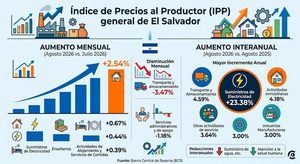
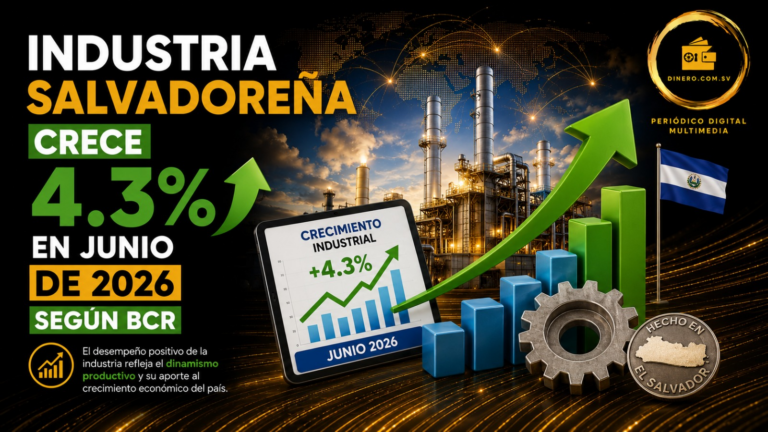
The Industrial Production Index (IPI) grew 4.3% in June 2026, compared to the same month in 2025, reported by the Banco Central de Reserva (BCR). This result reflects greater dynamism in the country’s industrial activities and represents the sixth consecutive month of growth rates, significantly surpassing the performance observed during the same period in 2025.
June’s growth was primarily driven by the manufacturing industry, along with the favorable performance of the electricity, water, and sanitation sectors. The combination of increased domestic demand, export growth, and greater placement of salvadoran products in international markets allowed various segments of the industry to increase their production during the month.
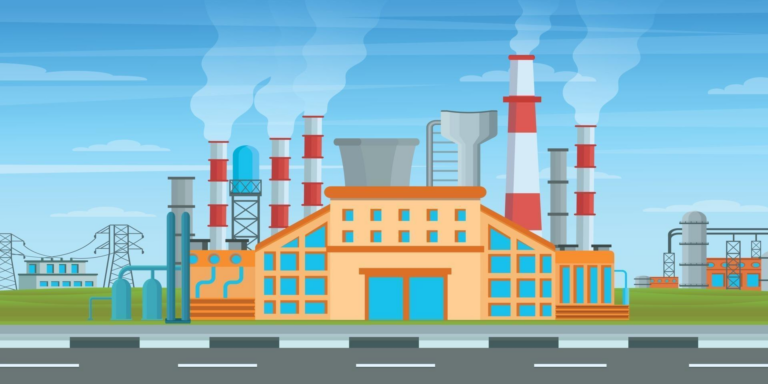
Photo: Google
Within the manufacturing industry, the production of food and beverages, pharmaceuticals, and electrical components stood out. In the food sector, the processing of meat, poultry, and sausages increased, driven by higher domestic demand and restaurant consumption during the 2026 FIFA World Cup. Fish processing also grew, particularly due to increased sales of canned tuna and fishmeal.
Dairy product manufacturing also performed better due to increased external demand and improved supply conditions. The pharmaceutical industry maintained positive performance thanks to winning bids in both domestic and international markets. This was further bolstered by the dynamism of the electrical component assembly sector, whose exports to the United States and other regional markets boosted industrial activity.
The electricity sector was another component that contributed to the Industrial Production Index (IPI) results. During June, high temperatures increased residential, commercial, and industrial electricity demand, mainly due to the greater use of air conditioning and refrigeration equipment. This surge pushed consumption to record levels and was met by increased participation from thermoelectric power plants, given the reduced availability of hydroelectric generation due to scarce rainfall.
Water, sanitation, waste management, and remediation activities also registered favorable performance. Improvements in the water treatment and distribution infrastructure managed by ANDA, as well as greater service coverage and an increase in the volume of water billed, contributed to the result. Preventive sanitation efforts and initiatives related to recycling and the circular economy also played a role.

Photo: Google
Of the four sectors that make up the Industrial Production Index (IPI), mining and quarrying were the only one that contracted in june. This was related to the seasonal suspension of salt production due to the rainy season and the comparative effect against a previous period of extraordinary growth in limestone extraction. However, this reduction does not reflect a corresponding weakening in construction, as the demand for raw materials continues to be met through domestic production and imports.
Overall, the 4.3% growth of the IPI in june confirms the strengthening of Salvadoran industrial activity and the continuation of a positive trend that has now lasted six months. The result was supported by domestic demand, growth in manufactured exports, increased activity in the food, pharmaceutical, and electrical components sectors, as well as higher electricity consumption and improvements in basic services. For the salvadoran economy, this performance represents a higher level of productive activity and contributes to sustained growth throughout 2026.
You can also read: