

 dinero_admin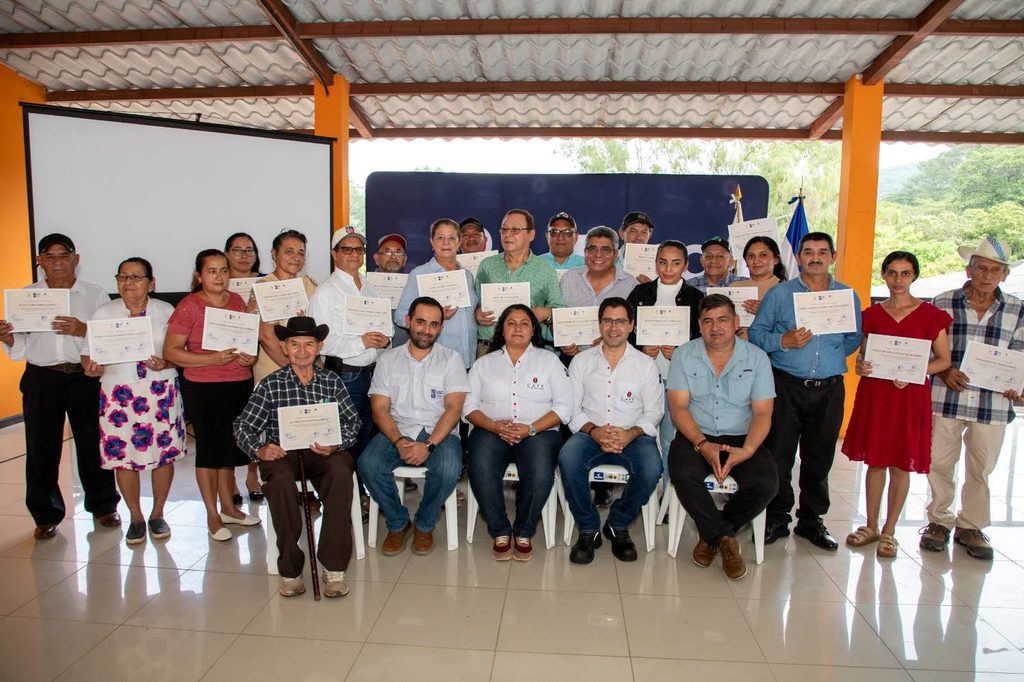
The Instituto Salvadoreño del Café (ISC) kicked off Coffee Farming Week with training sessions and technical assistance aimed at producers in the sector, with the goal of strengthening their cultivation knowledge and recognizing their contribution to the economy, employment, and the environment. Activities began on thursday, october 8, in the Cacahuatique mountain range in eastern El Salvador and will extend to the country’s six coffee-growing mountain ranges.
The launch took place at the Sociedad Cooperativa de Cafetaleros de Ciudad Barrios, where dozens of producers participated in a day dedicated to training and recognizing their work. According to the ISC, the program includes training sessions, technical support, and graduation ceremonies for coffee farming diploma courses, as part of efforts to build the capacity of those working in this agricultural sector.
Mauricio Sansivirini, president of the ISC, highlighted the importance of continuing producer training beyond the commemorative activities. “We are pleased to see more producers joining these types of activities every day events that involve not just a celebration, but also ongoing training for our producers”, he said.
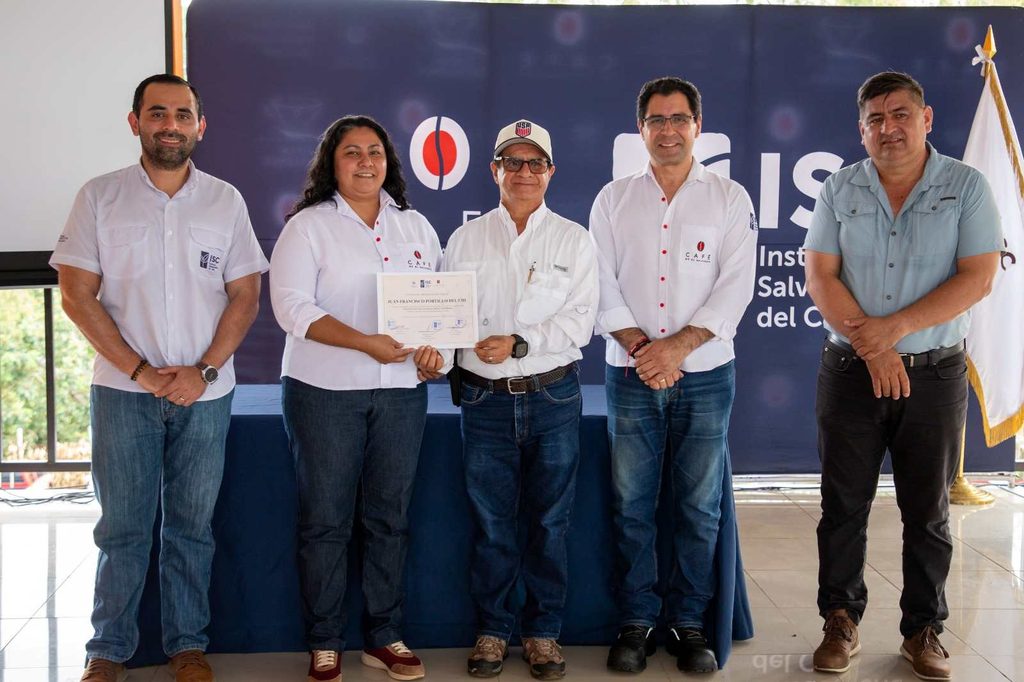
As part of this process, the institute is participating in the graduation ceremony for the first phase of the coffee farming diploma course, which was taught over the course of a year at 10 locations of the Asociación Cafetalera de El Salvador across the country. This training aims to provide knowledge that producers can apply on their farms to improve crop management.
Topics addressed during the sessions include crop management, the effects of climate change, and fertilization. This knowledge is part of the technical support coffee growers receive to tackle production challenges and strengthen plantation management practices in the face of variable weather conditions.
ISC support also includes the provision of agricultural inputs, fertilizers, and technical assistance, as well as ID card issuance to formally identify producers and facilitate their access to sector-specific benefits. Estela Ramos, a participating coffee grower, expressed gratitude for the support received and highlighted both the provision of input and the opportunity to connect with other workers in the coffee industry.
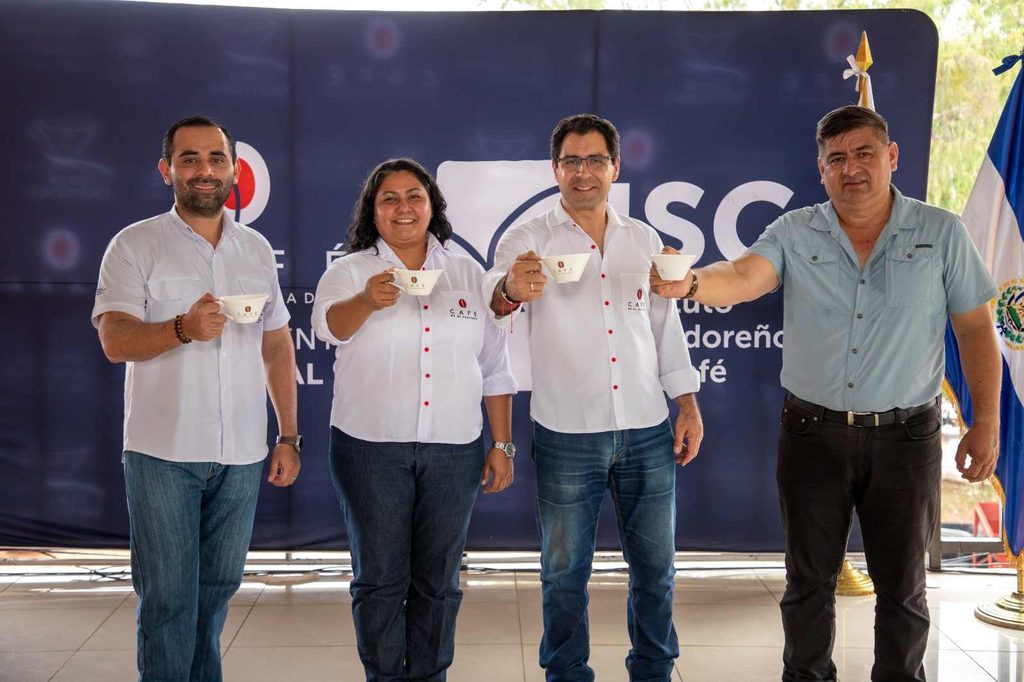
Meanwhile, Rafael Franco, general manager of the Sociedad Cooperativa de Cafetaleros de Ciudad Barrios, noted that these gatherings foster closer ties between producers and coffee-related authorities. He also expressed appreciation for the support provided by the ISC and the Ministerio de Agricultura y Ganadería in addressing the challenges the sector faces due to climate fluctuations.
In addition to strengthening training, Coffee Growing Week aims to highlight the importance of coffee for producer families, job creation, and environmental protection. The event recognizes the work carried out on farms and by cooperatives and organizations to maintain the quality of Salvadoran coffee and its presence in both domestic and international markets.
The initiative takes place within the framework of National Coffee Growing Day, observed annually on october 1st. Through events scheduled across the country’s six mountain ranges, the ISC seeks to ensure ongoing training and support for coffee growers, while acknowledging their contribution to an activity deeply linked to El Salvador’s identity and economy.
You may also be interested in: