

 dinero_admin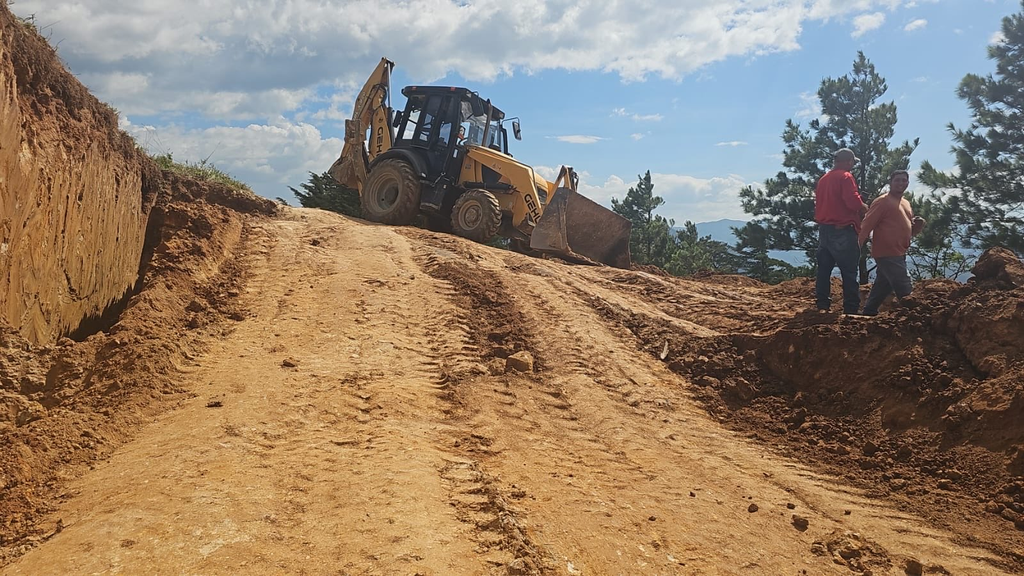
Óscar Domínguez, Ad Hoc Deputy Minister of Ministerio de Agricultura y Ganadería (MAG), presented an overview of the actions implemented to protect national food production from the effects of the “El Niño fuerte” climate phenomenon, as well as support measures aimed at farmers affected by the weather conditions.
As he explained, the strategy was developed in advance through coordinated efforts with the Ministry of the Environment and the use of a satellite monitoring system installed at the MAG. This tool provided forecasts for rainfall, soil moisture, and temperature—information that was used to identify the areas with the best conditions for growing crops.
As part of the Aumento a la Producción Program, the Ministry prepared and planted more than 160,000 manzanas of staple grains during the first phase. The plantings used high-yield seeds that are drought-tolerant and resistant to pests and diseases, in addition to supplemental irrigation. The official clarified that the seeds used are not genetically modified organisms.
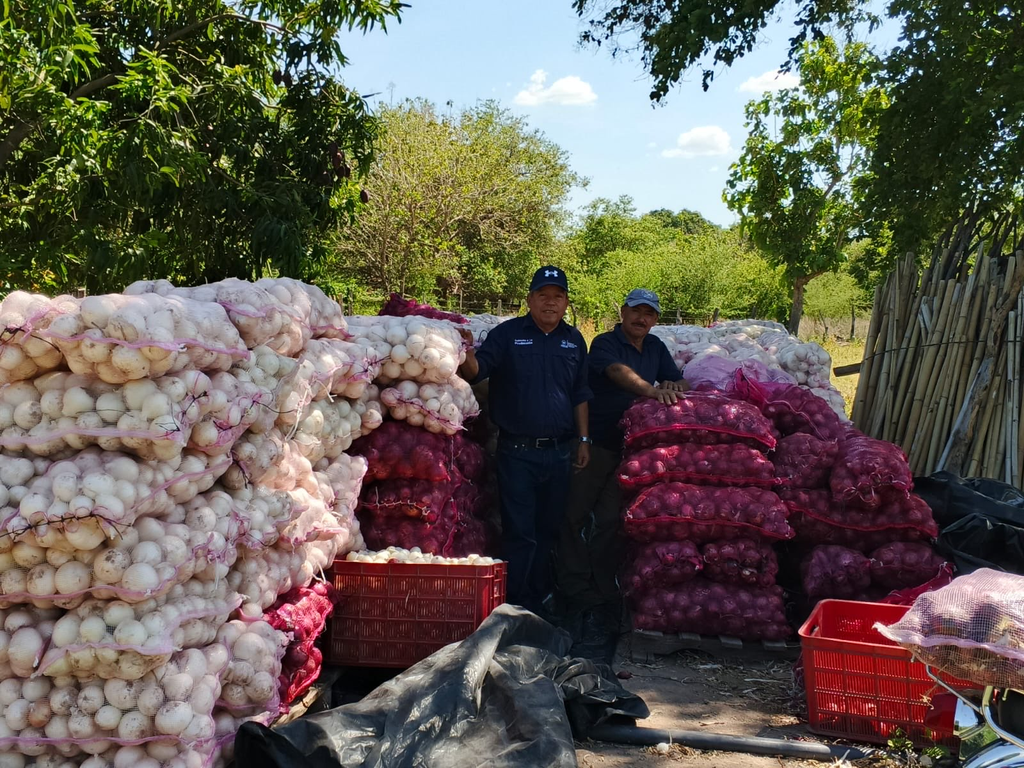
The strategy also made it possible to increase vegetable production using irrigation systems to 3,700 blocks and to expand the areas dedicated to the production of postrera. The work was carried out in collaboration with irrigation districts, individual producers, associations, cooperatives, and agricultural trade groups, in an effort that, according to Domínguez, has involved more than 300,000 farmers nationwide.
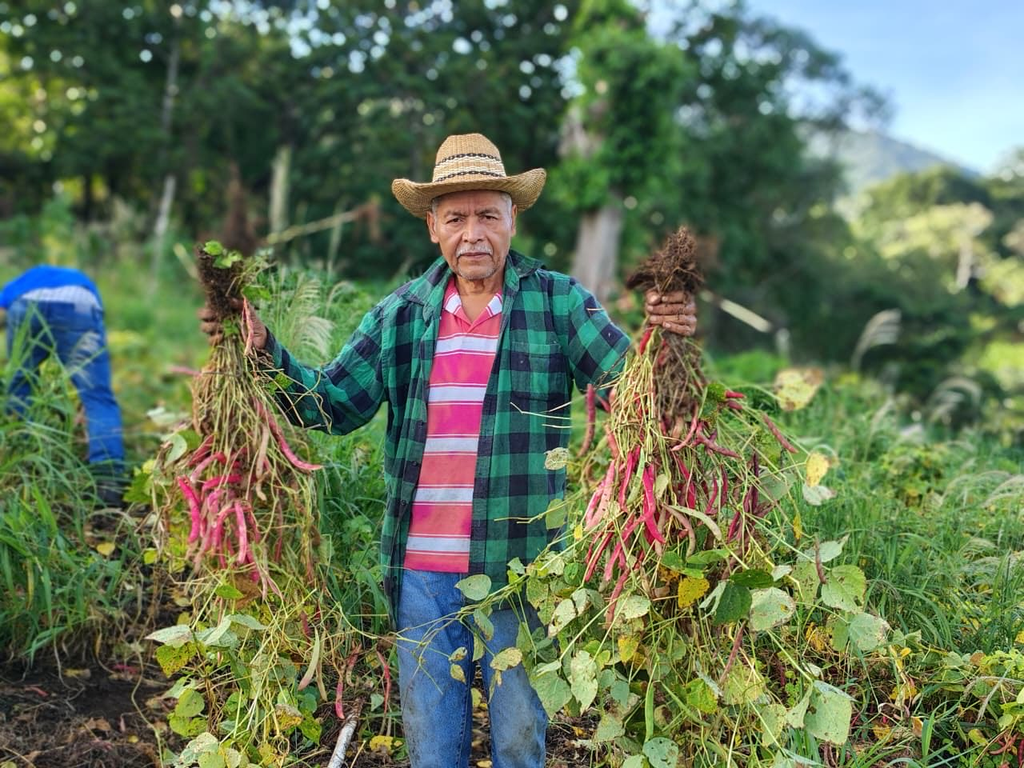
According to preliminary results presented by the official, corn yields range from 90 to 140 quintals per block, while bean yields range from 27 to 50 quintals per block, depending on the management practices and conditions of each plot. Based on these results, the MAG estimates a harvest of more than 12 million quintals of corn and more than 1.9 million quintals of beans.
Domínguez acknowledged that weather conditions have also caused losses, mainly in the eastern region and the Dry Corridor, where some farmers depend entirely on rainfall and lack auxiliary irrigation systems. To assist affected families, the government has launched relief efforts that include the distribution of food baskets and direct aid to farmers who lost their crops.
The measures also include providing water pumps to farmers with access to water sources, training on drip irrigation systems, water harvesting techniques, and reservoir construction. In addition, support has been provided for well rehabilitation and drilling in strategic areas to strengthen production capacity.
The official also highlighted the support provided by organizations such as the World Food Program (WFP), the FAO, and IICA in efforts aimed at strengthening domestic production and food security. He also mentioned measures to support the livestock sector, including the distribution of sugarcane bagasse, feed concentrate sales points, and vaccination and deworming campaigns, as part of a strategy that will continue to focus on maintaining food production and expanding support for affected producers.
You can also read: