

 dinero_admin
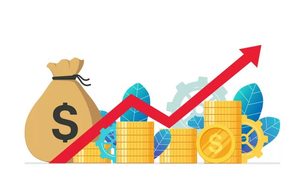
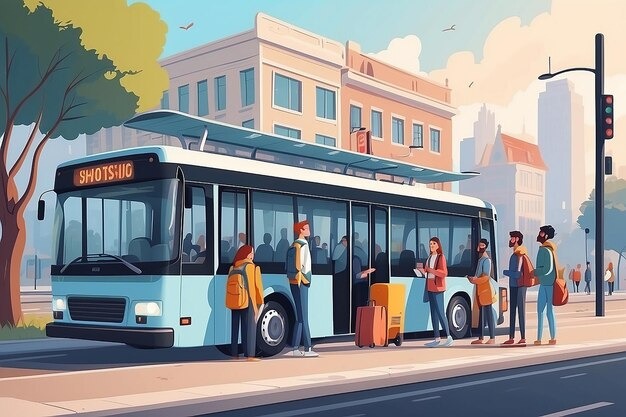
The overall Índice de Precios al Consumidor (IPC) rose from 134.55 points in july 2016 to 134.99 points in august, representing an increase of 0.44 points, or approximately 0.33%, according to data from the Banco Central de Reserva (BCR). Among all the groups analyzed, transportation registered the largest monthly percentage increase, rising from 118.21 to 119.27 points, an increase of 1.06 points, equivalent to 0.90%.
After transportation, the group with the largest increase was food and non-alcoholic beverages, whose index rose from 160.66 to 161.51 points, or 0.85 points, or 0.53%. This was followed by alcoholic beverages and tobacco, which increased from 179.29 to 180.19 points (0.90 points, or 0.50%). Health, which rose from 117.89 to 118.34 points (0.45 points and 0.38%); restaurants and hotels, from 169.65 to 170.19 points (0.54 points and 0.32%); and miscellaneous goods and services, which increased from 131.59 to 131.95 points (0.36 points and 0.27%).
There was also a slight change in accommodation, water, electricity, gas, and other fuels, whose index rose from 151.63 to 151.65 points, equivalent to an increase of just 0.02 points or 0.01%.
Two groups remained unchanged during august. Communications stayed at 79.60 points and education at 117.07 points, so both registered a 0.00% change compared to july.
Meanwhile, three sectors showed reductions. Recreation and culture fell from 97.23 to 97.10 points, a decrease of 0.13 points or 0.13%; clothing and footwear dropped from 99.89 to 99.78 points, a decrease of 0.11 points or 0.11%; and furniture, household goods, and routine household maintenance declined from 112.44 to 112.42 points, equivalent to 0.02 points or 0.02%.

Comparing the overall IPC performance with august 2025, the indicator rose from 130.81 points to 134.99 points in august 2026. The difference was 4.18 points, representing an approximate year-on-year variation of 3.19%. This means that the overall price recorded in august 2026 was higher than that observed in the same month of the previous year.
Data from the BCR shows that during august, the largest price increases were concentrated in transportation, food, and non-alcoholic beverages, while communications and education remained stable. Price decreases were observed mainly in recreation and culture, clothing, and some household goods.
You can also read: