

 dinero_admin
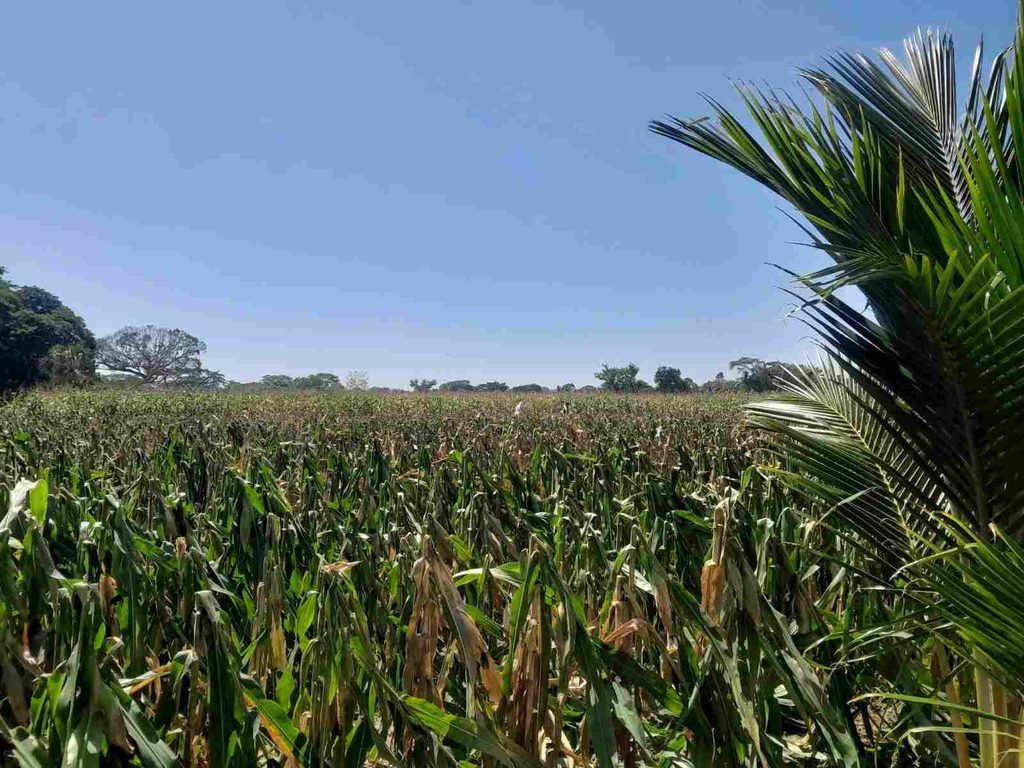
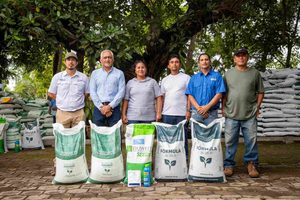
The Ministerio de Agricultura y Ganadería (MAG) Programa Aumento a la Producción has incorporated 152,000 blocks of corn and 49,000 blocks of beans into its agricultural strengthening strategy, according to the institution’s Vice Minister, Óscar Domínguez. These figures represent the cultivated areas integrated into the program, which aims to expand national production of staple grains and guarantee the supply of these foods in the country.
Domínguez explained that these agricultural extensions are part of the efforts to increase the availability of corn and beans, two of the main grains consumed by the salvadoran population. He indicated that the program allows for the maintenance of productive areas and the expansion of cultivation capacity, with land that can be used to develop up to three harvest cycles per year.
In the case of corn, the program accounts for 152,000 blocks incorporated into the program, while for beans it registers another 49,000 blocks. These areas represent the agricultural land that is part of the government’s strategy to strengthen the production of both grains and maintain active activity in the countryside.
The official noted that the country continues with planting, shelling, and harvesting, in addition to expanding the areas dedicated to these crops. He also stated that supply has been guaranteed through a combination of domestic production and imports, with the goal of keeping staple grains available in the markets.
Domínguez also addressed the warnings issued months ago about a possible shortage of staple grains and affirmed that the government’s proactive measures prevented a scarcity situation. In that regard, he assured that markets and public spaces remain well-supplied.
The vice minister emphasized that utilizing agricultural areas over several harvest cycles represents an opportunity to sustain and increase national production. With the 152,000 blocks s of corn and 49,000 blocks of beans incorporated into the program, the MAG seeks to strengthen the availability of these foods and expand the productive capacity of El Salvador’s agricultural sector.
You can also read: