

 dinero_admin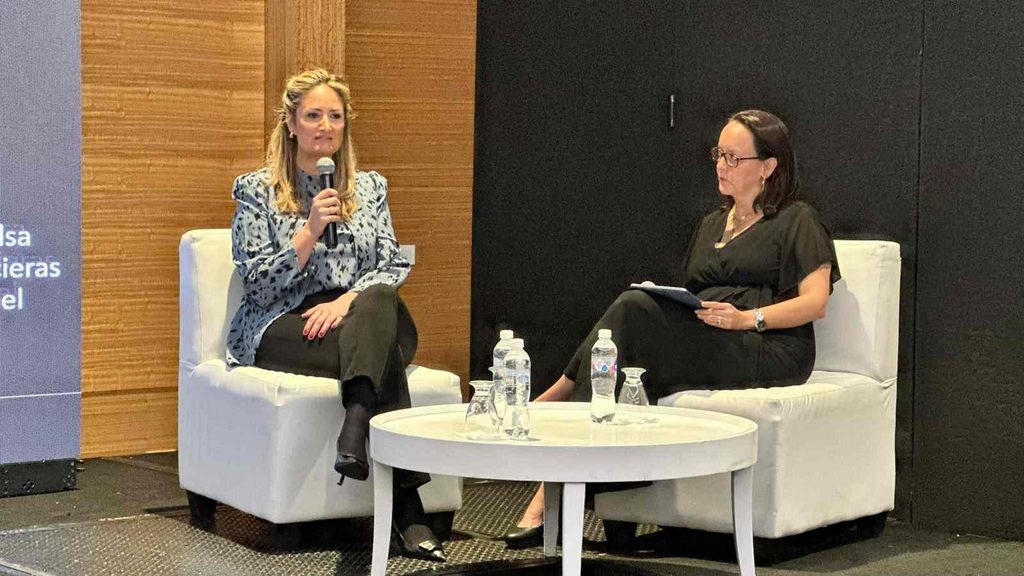
The firm presented a financial infrastructure proposal in El Salvador based on digital assets and tokenization, seeking to open new channels for financing and investment through regulated structures.
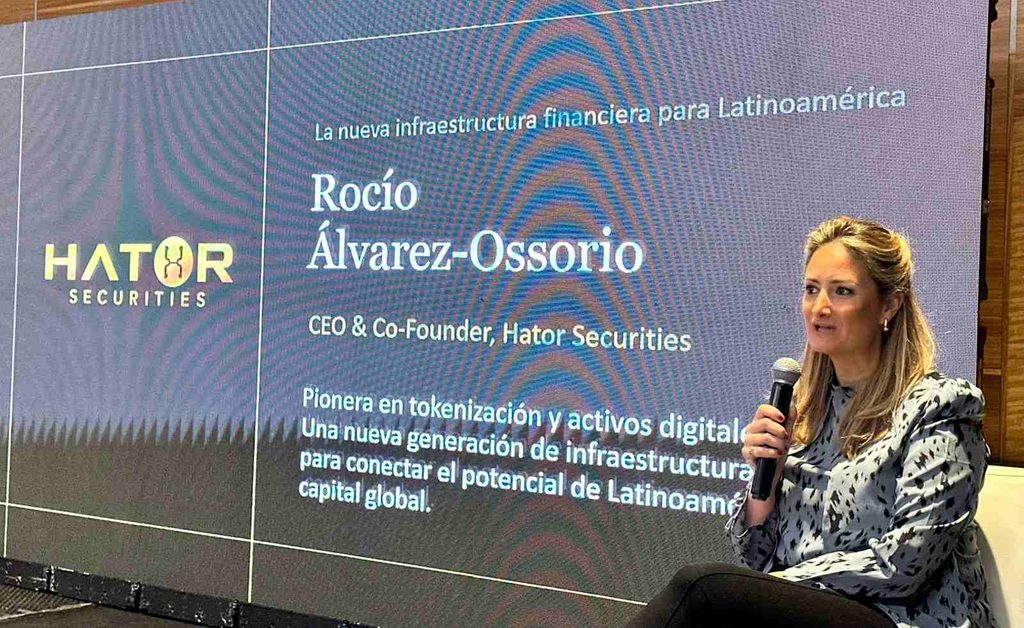
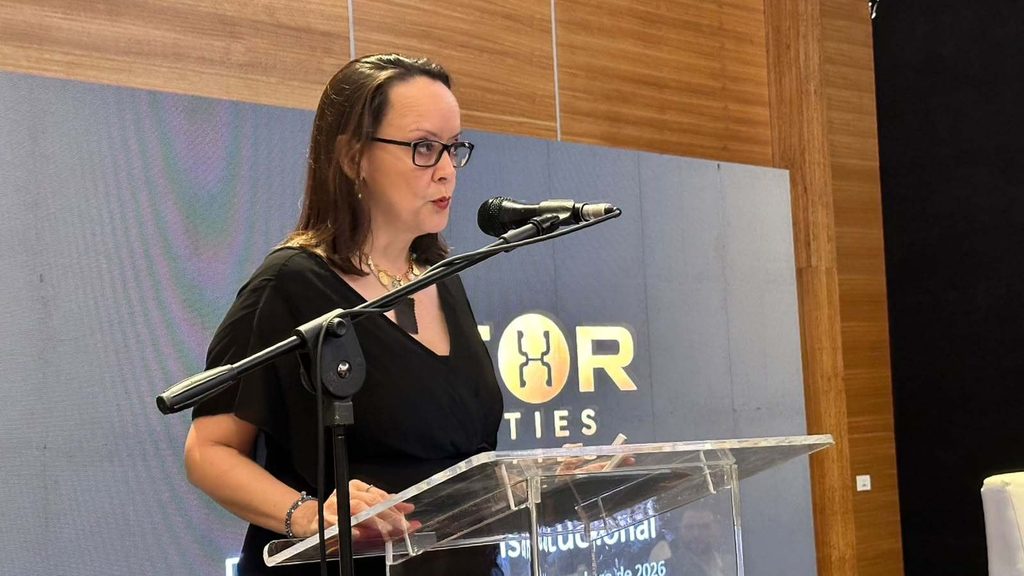
Rocío Álvarez-Ossorio, CEO and co-founder of Hator Securities, presented the company’s proposal in El Salvador to develop a digital asset exchange and a tokenized market aimed at connecting Latin American companies with global sources of capital. With more than a decade of experience at the intersection of finance, technology, and digital assets, Álvarez-Ossorio explained that the project seeks to use tokenization to structure assets and investment transactions within a regulated infrastructure.
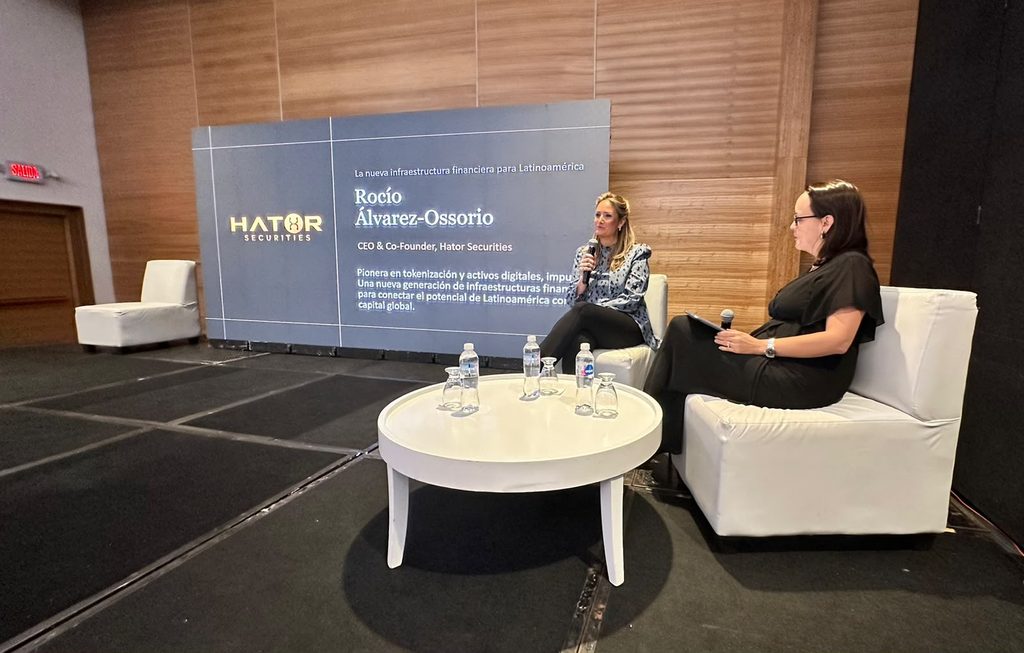
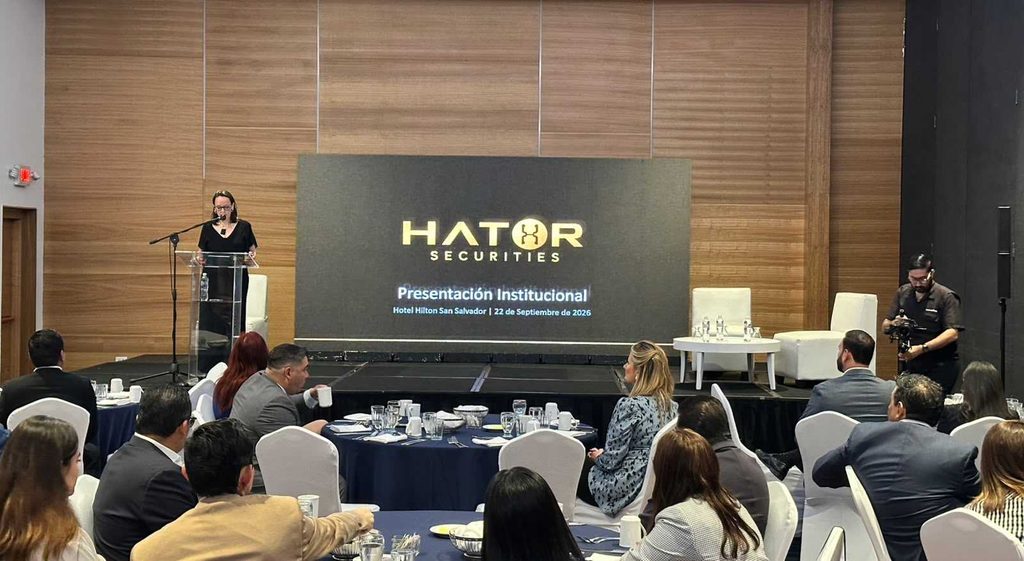
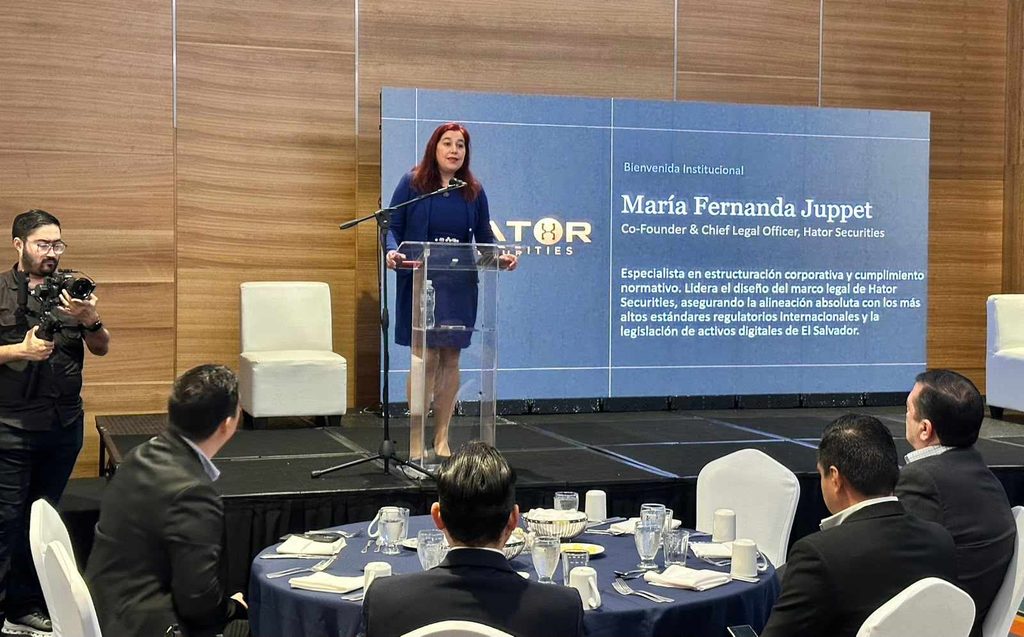
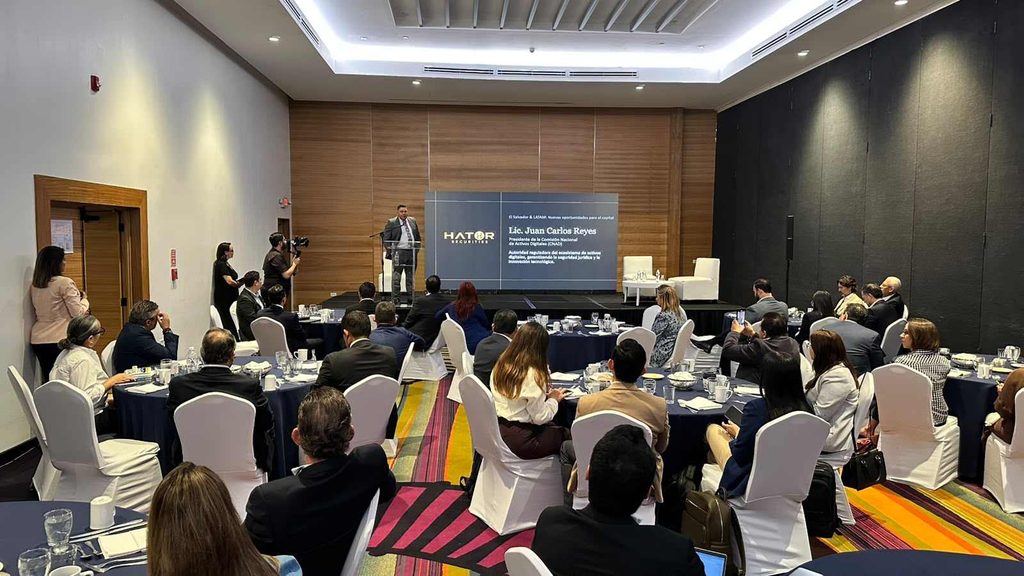
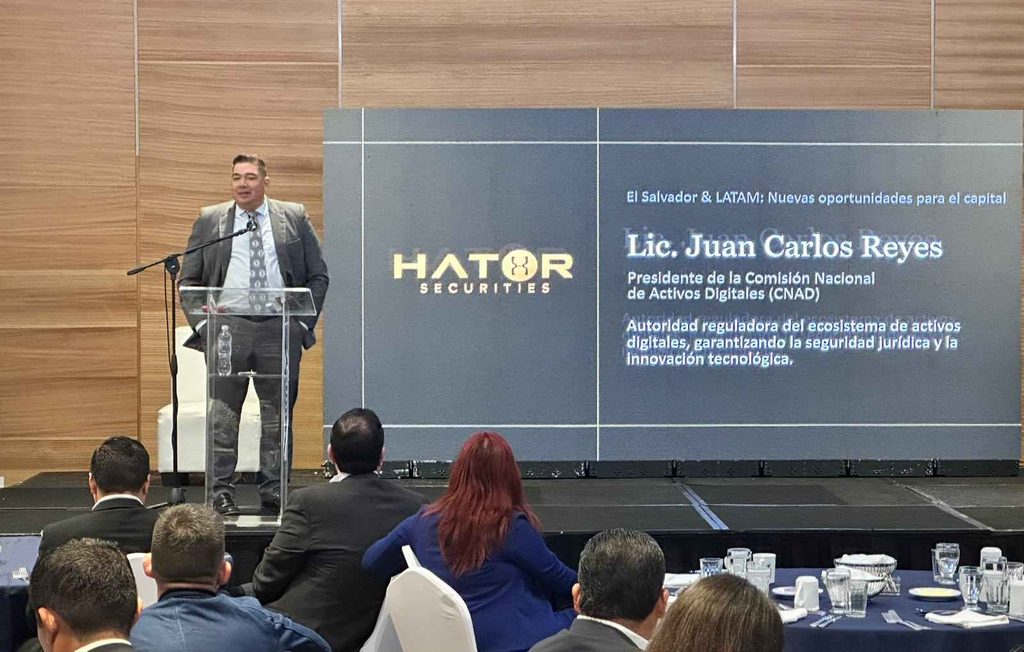
The presentation took place during the event “The New Financial Infrastructure for Latin America,” where the executive explained that the initiative is based on a central idea: creating new investment and financing channels for companies in the region by leveraging digital tools that can connect these projects with investors and capital markets.
Álvarez-Ossorio explained that her involvement with this technology began in 2016, when she discovered the potential of blockchain beyond cryptocurrencies and assets such as Bitcoin and NFTs. From that experience, she went on to participate in tokenization projects in Europe and later brought that knowledge to Latin America, where she identified different needs and opportunities for applying these tools.
An Infrastructure Built on Four Pillars
Hator Securities’ proposal is structured around four pillars: regulation, selection, structuring, and access.
According to materials presented by the company, regulation seeks to establish a robust legal framework; selection incorporates screening and due diligence processes; structuring defines the architecture of each transaction; and access seeks to connect opportunities with a global reach.
The goal is to bring real-world assets into digital markets and create new alternatives for companies seeking access to financing. In this way, the company proposes an infrastructure that combines financial technology with structures designed to operate within a regulated framework.

Companies and Projects as a Starting Point
Hator Securities explained that its proposal is not limited to any specific industry. The selection of issuers would be determined primarily by the strength of the companies and the viability of their projects, taking into account financial, legal, and commercial considerations.
According to information presented during the event, the platform already had seven initial issuing clients across different Latin American jurisdictions after obtaining its license approximately two months earlier.
The intention is for these companies to use the infrastructure to finance projects, increase sales, and strengthen their relationships with their communities, depending on the characteristics of each transaction.
From Real-World Assets to the Digital Market
Another component of the proposal is the possibility of incorporating the communities surrounding companies.
Álvarez-Ossorio explained that customers, employees, suppliers, followers, and investors can become part of models structured through tokens. The idea is that the relationship a company maintains with these groups can also become a channel for participation and financing.
During her presentation, she cited previous experiences in which companies used tokens to engage employees or raise financing through their customers and followers. These cases were used to illustrate how tokenization can extend to different groups connected to a company.
Connecting with Banks, Funds, and Investors
The model also contemplates institutional participation. Hator Securities explained that it works with funds, banks, and institutional investors, while also seeking to serve companies interested in accessing new financing alternatives.
To determine which transactions reach the market, the company considers both the characteristics and needs of investors and the capabilities of the issuer and the communities surrounding it.
The proposal also seeks to connect this infrastructure with the financial system. According to Álvarez-Ossorio, the different components of the ecosystem are designed to complement one another and facilitate the distribution of these investment opportunities.
Regulation and Education as Part of the Ecosystem
For Hator Securities, technology needs to be accompanied by an appropriate legal framework so that capital can move and transactions can take place within the financial ecosystem.
Álvarez-Ossorio noted that the combination of regulation and technology is essential to building this new market in Latin America. The firm also incorporates an educational component through the Digital Research Institute, an initiative focused on training regulators, supervisors, banks, and funds on technology, regulation, and business opportunities related to digital assets.
A Bet That Began in the Region
The Latin American experience that shaped the project began gaining momentum through situations identified in countries such as Bolivia.
Álvarez-Ossorio explained that they found companies there seeking financing alternatives in a context where services related to digital assets were gaining importance. These experiences led to the idea of building a regional infrastructure capable of creating new channels for investment alternatives.
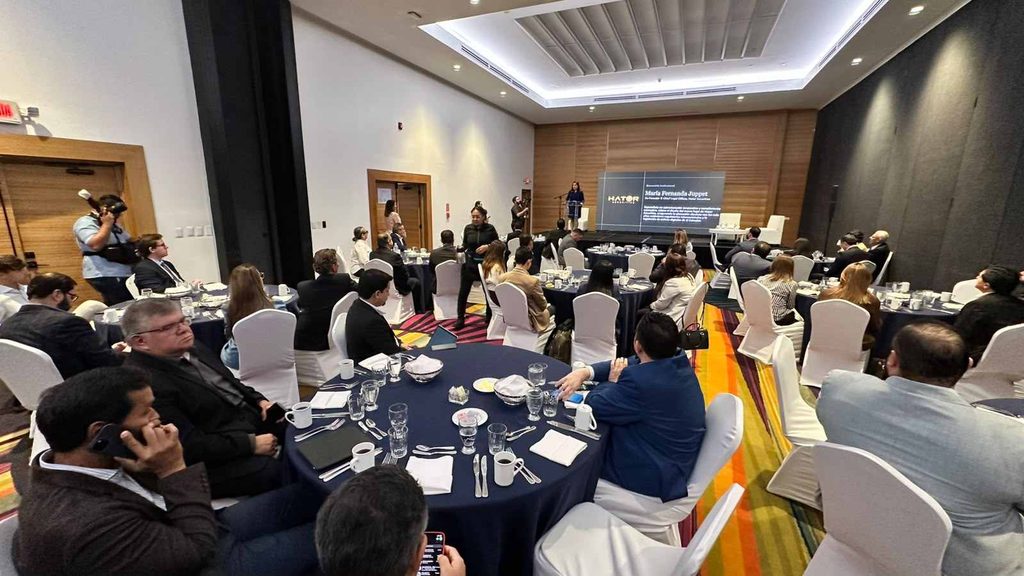
For the executive, the long-term goal is for Hator Securities to help more Latin American companies finance growth and impact projects and connect with financial capital from both the region and abroad. According to her remarks at the event, that vision is driving the platform’s development across Latin America.
With this proposal, Hator Securities seeks to position tokenization as an infrastructure for connecting assets, companies, and investors through regulated structures with international reach, presenting a new avenue for financing and investment in Latin American markets.