

 dinero_admin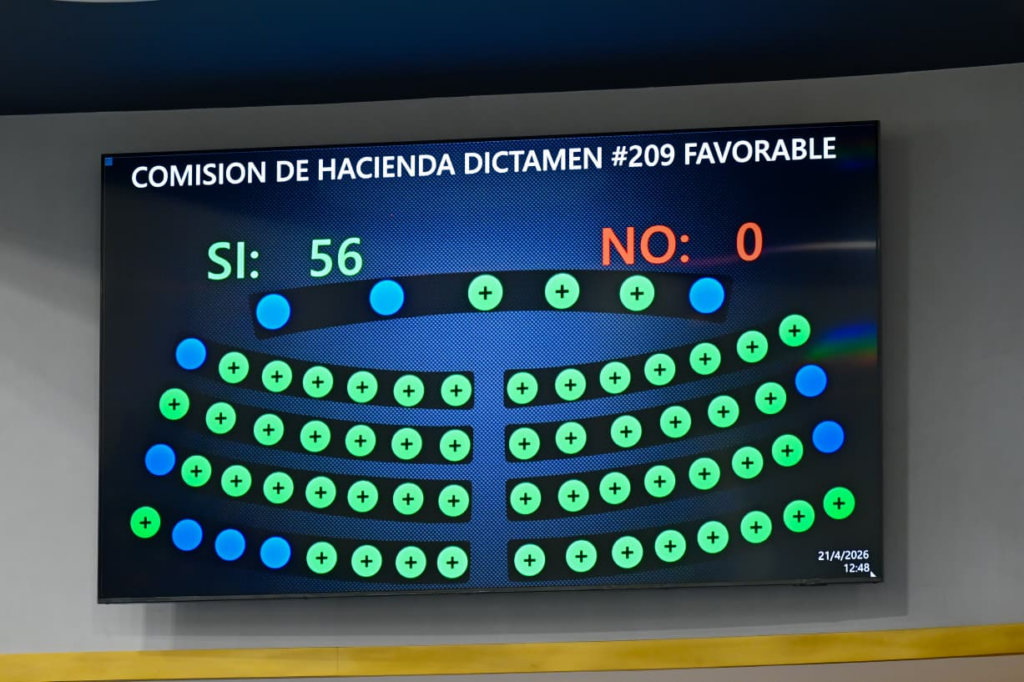
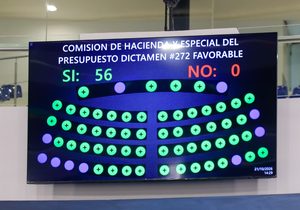
The Legislative Assembly ratified, with 56 votes, a US$501,253,133 loan from the International Bank for Reconstruction and Development (IBRD) to finance the Accelerate Learning in El Salvador with Digital Innovation program. This initiative aims to strengthen academic training, modernize the education system, and integrate more technological tools into the teaching process.
The program will be implemented by the Ministerio de Educación, Ciencia y Tecnología (MINEDUCYT) and will operate under a results-based financing model. This means that disbursements will be linked to progress related to learning, effective use of technology, and institutional strengthening.
As planned, the program will be developed in three main areas.
The first focuses on improving classroom learning, especially in reading and mathematics, through structured teaching strategies, digital resources, and reinforcement programs for students from second grade through second year of high school.
This component also includes strengthening the role of principals in supporting teachers, with the goal of reinforcing pedagogical practices and improving educational outcomes.
The second area seeks to strengthen the education system through learning assessments, improved monitoring tools, and decision-making processes supported by more robust information systems.
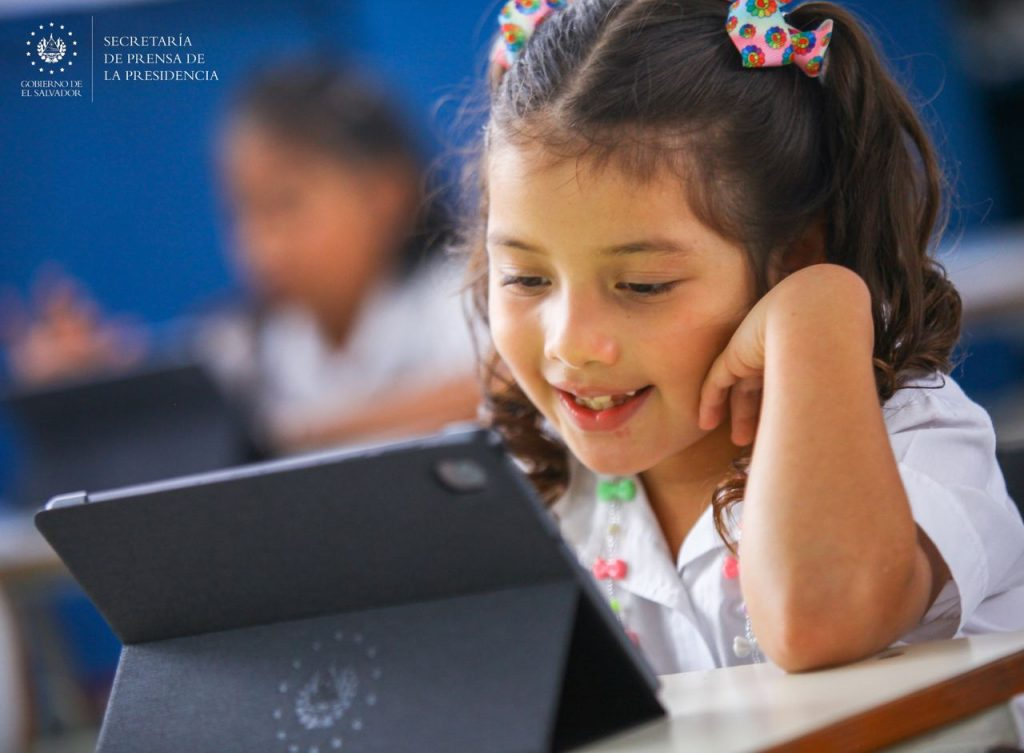
The third component is geared toward promoting the effective use of technology in the education system through connectivity, functioning devices, and digital platforms that support learning and the development of skills related to the workplace.
According to the information presented, the funds were granted by the World Bank in a context that recognizes the progress of educational programs implemented in the country.
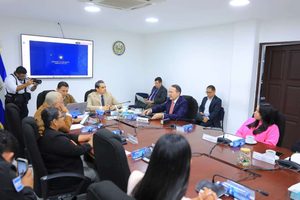
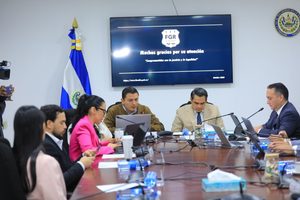
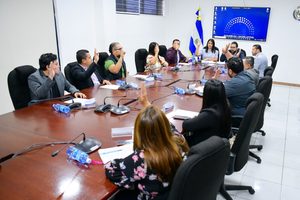
In addition to the funding for the education program, the legislators also approved an amendment to the 2026 Budget Law to allocate US$9,515,800 to the Presidential Innovation Secretariat, to strengthen the Social Digital Connectivity Program.
These resources will be used to expand the program’s reach, finance connectivity services, computer equipment, and other technological components for schools and health units.
The equipment included is tablets, laptops, uninterruptible power supplies (UPS), and other technological resources designed to strengthen digital infrastructure.
The funds will also cover online training for public officials and the beneficiary population, including students, teachers, and healthcare personnel, as well as project auditing and evaluation processes.
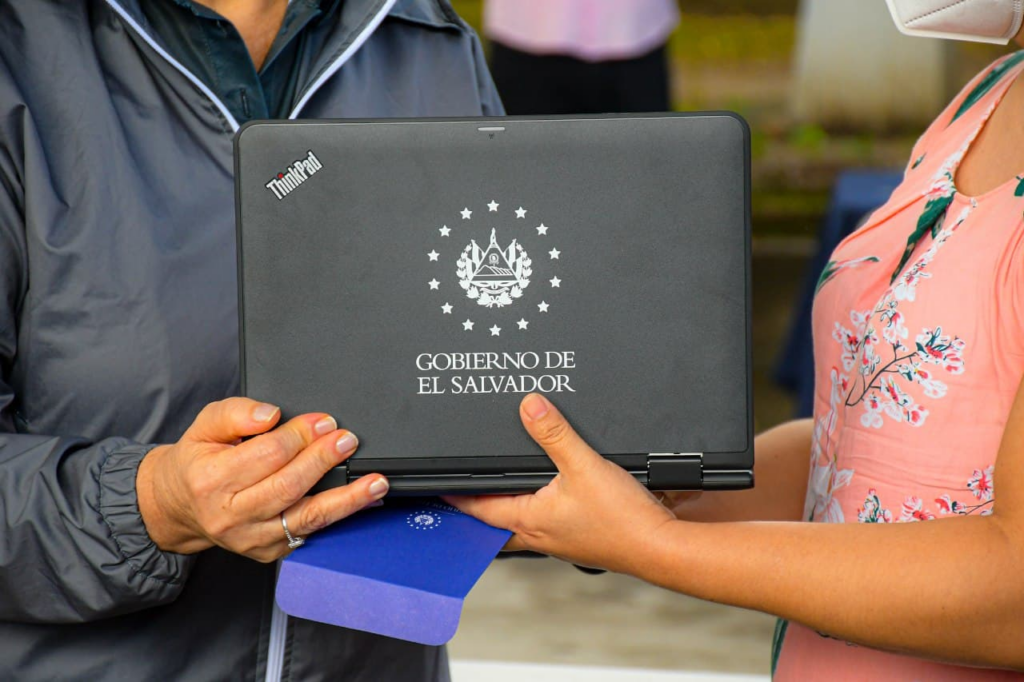
Of the total amount allocated, US$7,394,815 comes from two previously approved loans from the Inter-American Development Bank (IDB), while US$2,120,985 corresponds to resources from a European Union grant.
These decisions aim to strengthen both educational transformation through digital innovation and access to connectivity and technological tools within strategic public services.
The initiative combines pedagogical strengthening, digital infrastructure, and access to technology in a strategy that seeks to impact both learning and the modernization of the education system.
If the stated objectives are achieved, the funding would allow for expanding teaching capacity, strengthening digital tools, and supporting initiatives aimed at accelerating learning in the country.
You can also read: