

 dinero_admin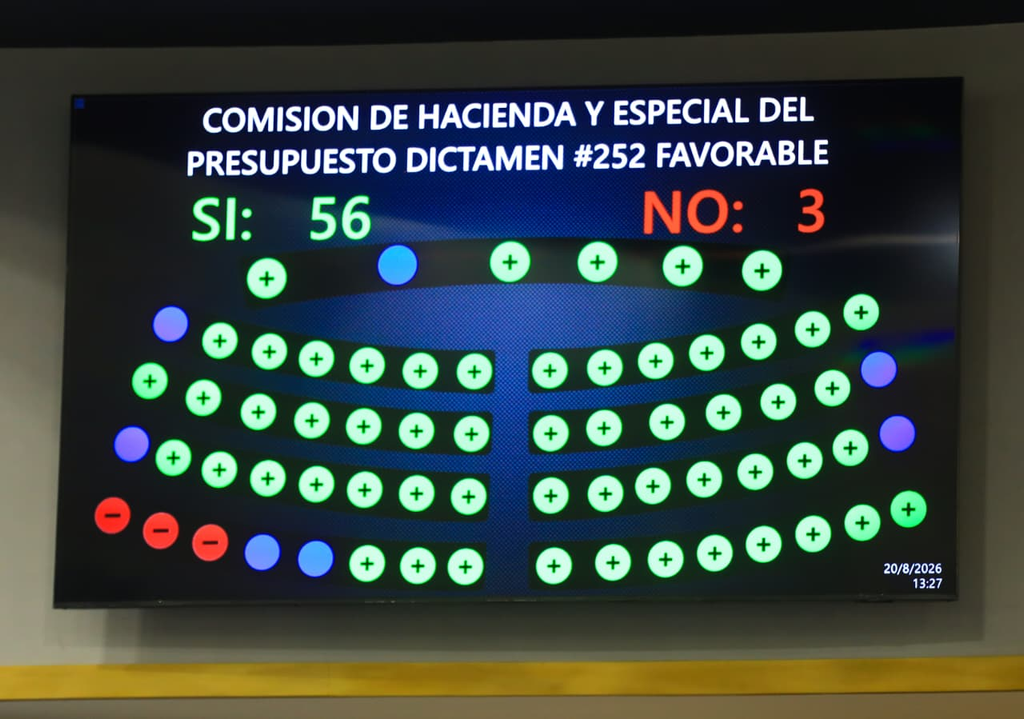
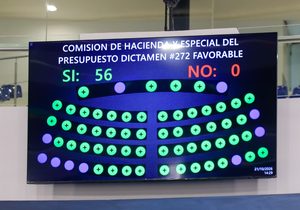
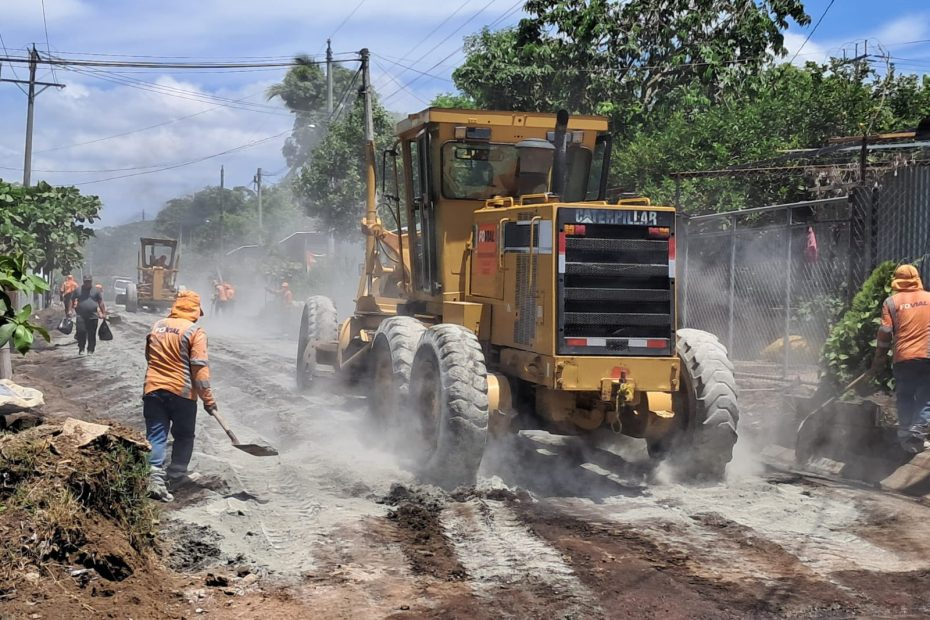
The Legislative Assembly approved, with 56 votes, reforms to the law regulating the Fondo de Conservación Vial (FOVIAL), with the aim of expanding the institution’s tools for participating in projects related to the rehabilitation, maintenance, operation, and management of the country’s road network.
With these modifications, FOVIAL will be able to participate in the formation or operation of companies of any kind, provided that the activities of these companies are linked to the road network or to services associated with it. The measure seeks to facilitate the institution’s participation in infrastructure and service projects that require partnership models.
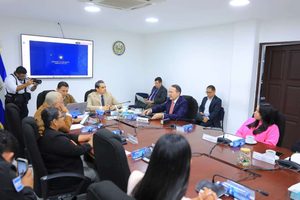
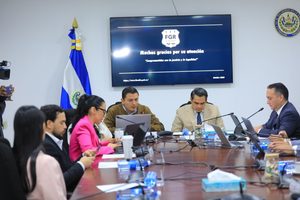
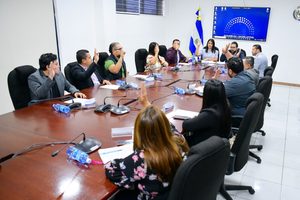
During the analysis of the proposal in the Finance Committee, the Minister of Public Works, Romeo Rodríguez, explained that the new powers will allow FOVIAL to establish mixed-economy companies, through which it could participate in different infrastructure projects, including transportation terminals.
The official also noted that these powers could be used in projects such as the management of the cable car system, with the potential to optimize operating costs and manage revenue from fare collection.
Among the main approved modifications is the power granted to FOVIAL to acquire, subscribe to, manage, and dispose of shares in the companies in which it holds a stake. It may also participate in the transformation, merger, modification, or liquidation of these companies.
The reform also establishes that any transaction related to these companies must be authorized by the FOVIAL Board of Directors. Before approving any investment, technical, economic, financial, and legal studies must be conducted to determine the project’s suitability and viability.
The changes also include provisions to protect the institution’s finances. FOVIAL’s investments must not compromise its financial sustainability or represent disproportionate risks for the State.
Furthermore, the regulations incorporate control, audit, transparency, and accountability mechanisms to establish controls over the operations carried out by the institution through the companies in which it holds a stake.
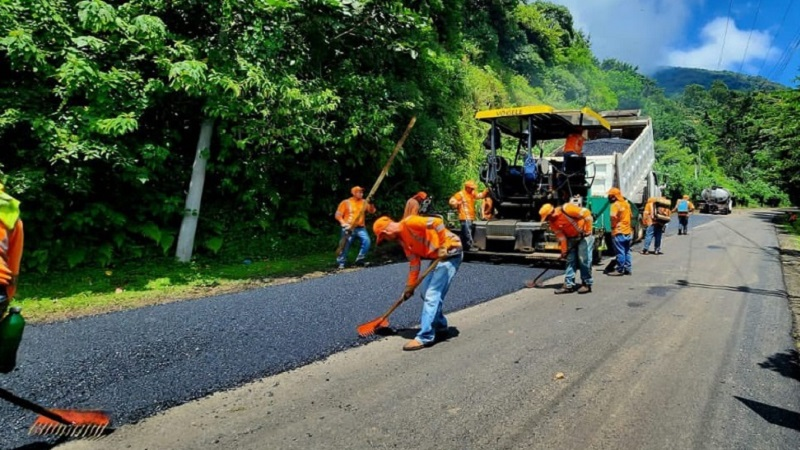
With this reform, FOVIAL expands its scope of action beyond its traditional road maintenance functions and gains new tools to participate in infrastructure and service projects related to mobility and the road network, subject to feasibility requirements and financial controls.
You can also read: