

 dinero_admin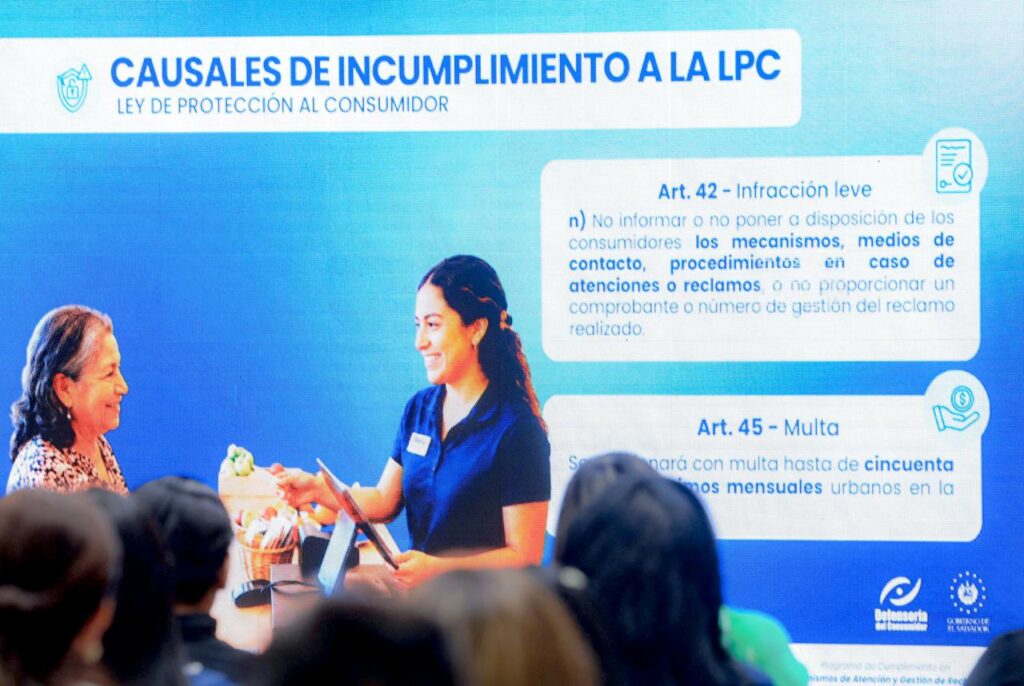
With the goal of strengthening consumer rights protection and improving the service consumers receive when filing complaints, the Defensoría del Consumidor launched its Compliance Program for Complaint Handling and Management Mechanisms this thursday. The program is aimed at companies that provide goods and services, both in-person and online.
During the launch, the president of the Defensoría del Consumidor, Ricardo Salazar, explained that this initiative stems from the 2024 reforms to the Consumer Protection Law, which established the obligation for all providers to have adequate mechanisms in place to receive, manage, and follow up on consumer complaints. Previously, this obligation only applied to the financial and telecommunications sectors.
The official detailed that, since these reforms came into effect, the agency has conducted more than 3,200 inspections to verify compliance with the regulations. As a result, 68% of the inspected establishments comply with the established requirements, while 32% are non-compliant, primarily due to a lack of visible information about the mechanisms available for consumers to file complaints.
Salazar also indicated that more than 1,000 inspections detected non-compliance. Of that total, 52.5% corresponds to restaurants, while clothing, footwear, and accessories stores represent 11.74% of the cases.
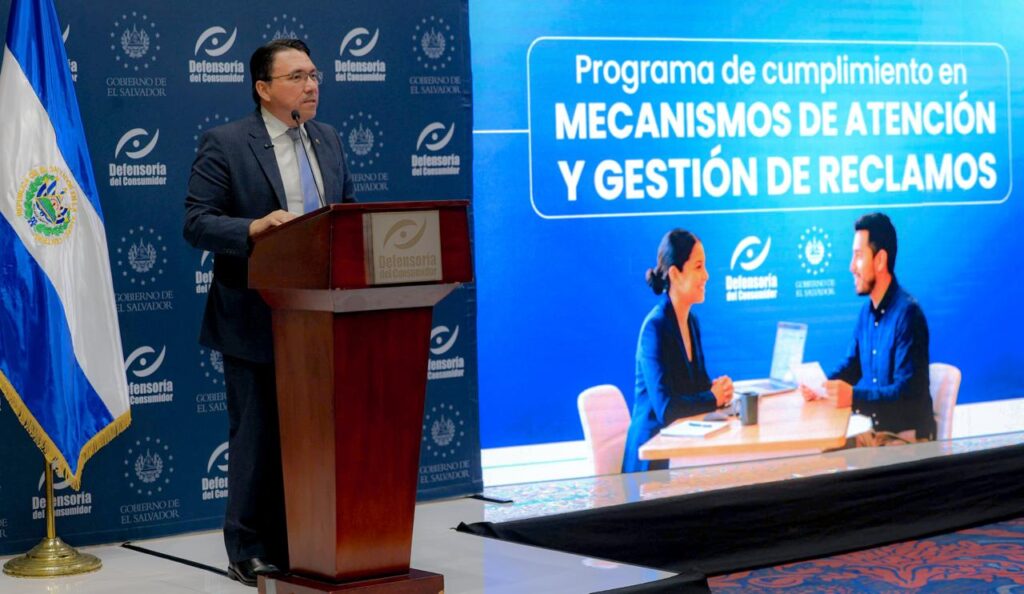
Salazar noted that the new program aims to support businesses in correctly implementing these mechanisms, fostering a culture of compliance, transparency, and good business practices. He said that this is the fifth initiative launched by the Defensoría del Consumidor since 2019 to promote respect for consumer rights, and that currently more than 700 establishments participate in similar programs.
The president of the institution emphasized that having clear and efficient procedures for handling complaints not only represents a legal obligation, but also strengthens trust between consumers and suppliers, improves the customer experience, prevents conflicts, and contributes to raising the quality of services offered.
Among the benefits for companies that join the program, he mentioned improved management of customer complaints, increased consumer confidence, a competitive advantage over other businesses, and a reduced risk of facing administrative proceedings or penalties for non-compliance with the law.
The program includes several stages for interested suppliers. First, they must apply for registration; then, they will participate in a training workshop on the legal provisions; and finally, they will sign a letter of commitment to implement the corresponding measures within the established deadlines.
In addition, the Defensoría del Consumidor will provide support to help companies develop customer service protocols, establish contact channels, and assign a tracking number to each complaint filed, thus allowing for case monitoring and ensuring greater transparency throughout the entire process.
Salazar reminded everyone that failure to comply with the obligation to have adequate mechanisms for handling and managing complaints can result in fines of up to 500 minimum monthly wages and therefore urged companies to voluntarily join the program and strengthen their internal processes.
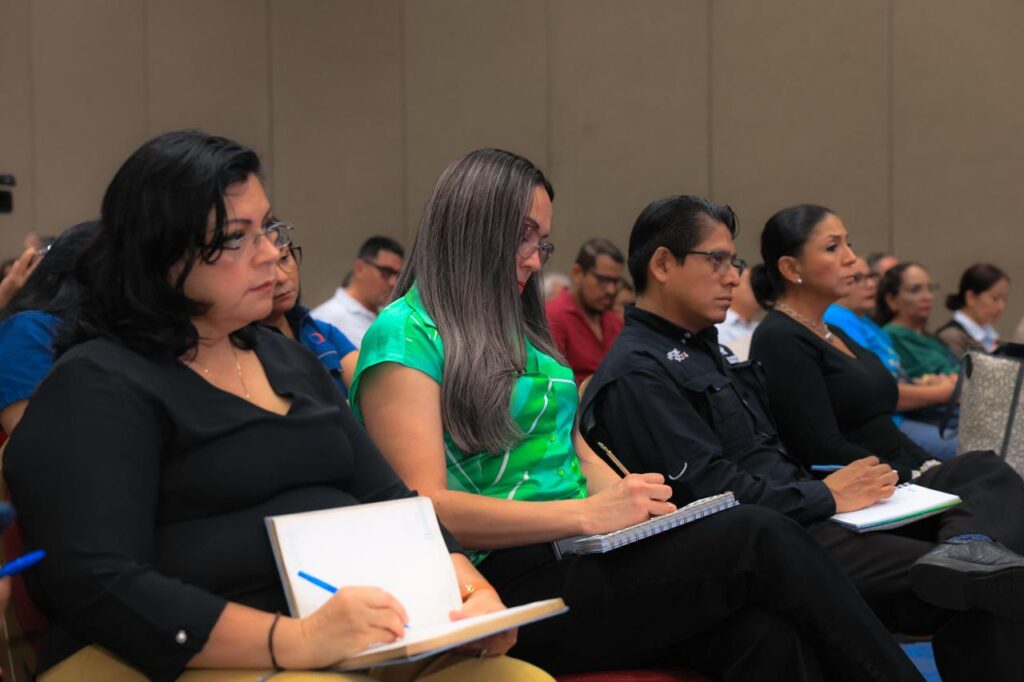
During the event, representatives from the private sector expressed their interest in joining the initiative. Amílcar Velásquez, general manager of Funerales La Guadalupana, said that the company will seek to join the program because it believes it will strengthen relationships with its clients and demonstrate compliance with regulations.
With this initiative, the government aims to reinforce the protection of salvadoran families’ finances through more efficient mechanisms for receiving, addressing, and resolving complaints, promoting a business culture based on respect, transparency, and responsibility toward consumers.
You can also read: