

 dinero_admin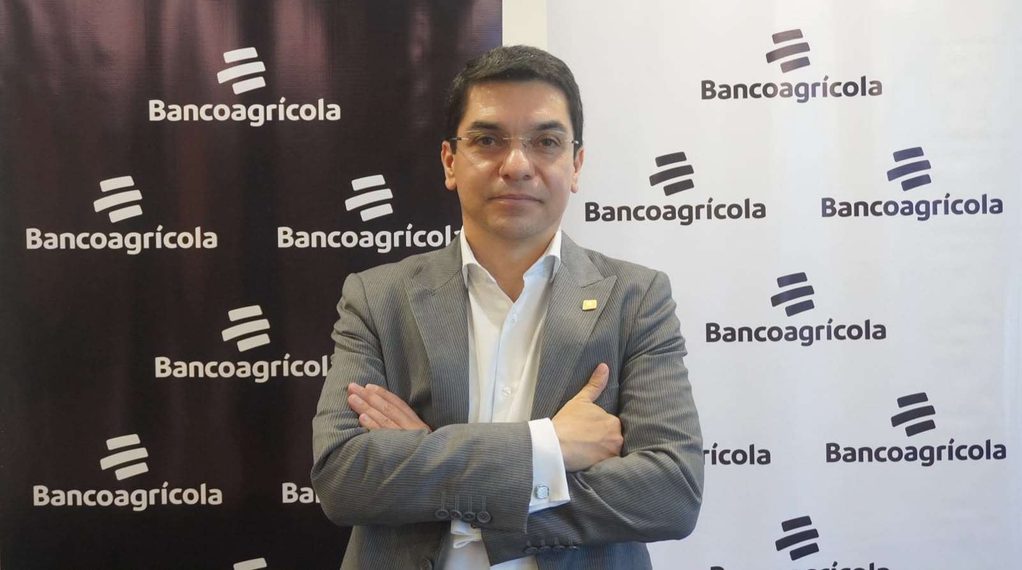
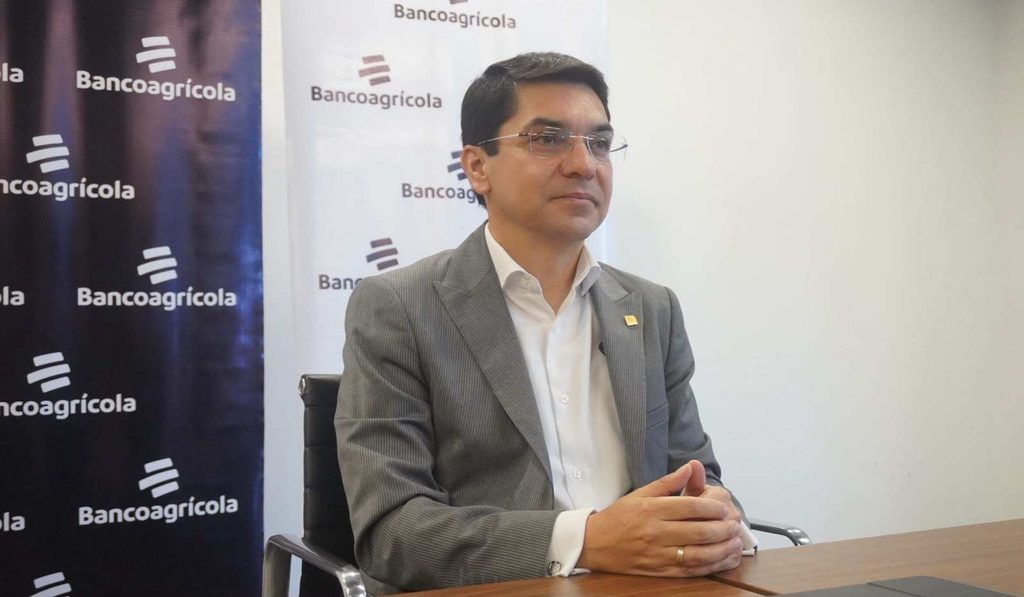
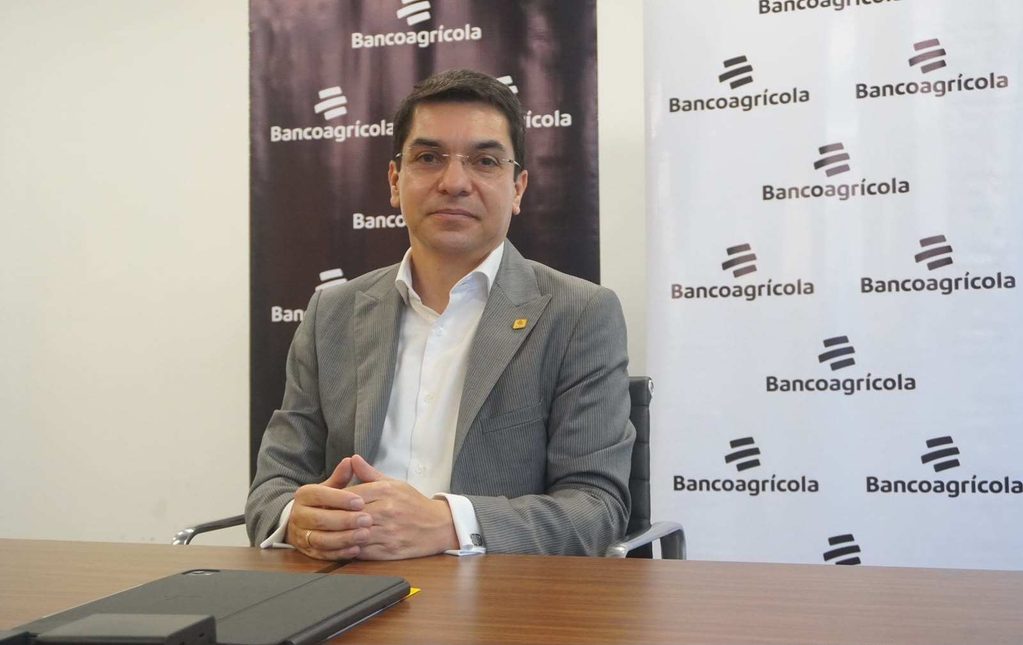
Alex Pinilla, Financial Vice President at Bancoagrícola, highlighted the growth in deposits and the diversification of investment alternatives in El Salvador. Speaking to Dinero.com.sv, he explained that both individuals and businesses are utilizing financial products, ranging from traditional savings accounts to investment funds, to manage their resources and plan for their financial goals.
Deposits and investments: More alternatives for customers
Pinilla noted that savings accounts continue to grow and represent a key pathway for entry into the formal financial system. Alongside these are time deposits, which allow funds to be held for a set period in exchange for a return agreed upon under the product’s terms; these serve as an option for those looking to organize their finances and encourage saving.
Another option mentioned by the executive is a liquid income investment fund, which, he noted, has surpassed US$250 million in assets under management. This instrument is used by individuals and companies needing to manage funds for short- or medium-term projects. Unlike time deposits, its liquidity terms differ, and its return depends on market performance, meaning it is not guaranteed.
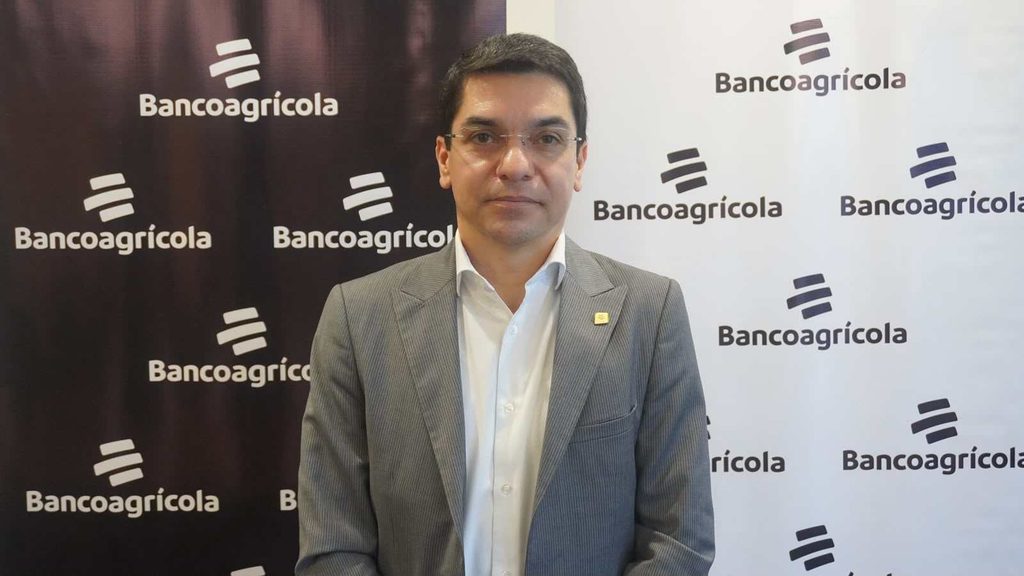
The Financial Vice President also highlighted the “Fondo Azul” , an alternative aimed at more specialized and institutional investors who consider not only the return on investment but also the allocation of funds and their link to sustainability. According to Pinilla, this instrument has attracted three major international investors, while the financial conglomerate continues to expand its investment solutions in El Salvador and Guatemala.
Remittances and their relationship with the financial system
Regarding remittances, Pinilla stated that these inflows continue to grow in 2026, albeit at a pace that, as he explained, differs from that of previous years. He also addressed the uncertainty surrounding Temporary Protected Status (TPS) for salvadorans in the United States and its potential impact on remittances to the country, though he noted that it is not yet possible to precisely determine the consequences that immigration-related changes might bring.
The executive noted that deposits within the Salvadoran financial system currently exceed loans by approximately US$3.4 billion. He compared this to the situation four or five years ago, when the gap was around US$300 million. This trend reflects a widening gap between the funds mobilized by financial institutions and the funds deployed through lending, although deposit trends also depend on other factors such as income, consumption, and the saving decisions of households and businesses.
Economic growth projections for El Salvador
Regarding the economic outlook, Pinilla pointed out that projections from the Banco Central de Reserva (BCR) and the International Monetary Fund (IMF) indicate growth of between 4% and 5% for El Salvador. The Bancoagrícola representative compared these estimates to the historical growth rate of approximately 2.4% seen over the last three decades and highlighted the potential impact of economic activity on consumption, saving, and investment decisions.
These figures are projections rather than results for the year. Whether they are realized will depend on domestic and international economic conditions, which can also influence the behavior of businesses, households, and the financial system.
Digital savings gaining ground
Pinilla highlighted that Bancoagrícola is seeing more savings accounts opened via digital channels than through in-person service. He explained that customers can start the process on their mobile phones and access banking services within minutes, depending on the specific requirements for each product.
Regarding time deposits, the executive stated that nearly half of such transactions handled by the institution are carried out via digital channels, for both individual and corporate clients. This method makes it easier to open products without visiting a branch and is part of a transformation in how customers manage their financial resources.
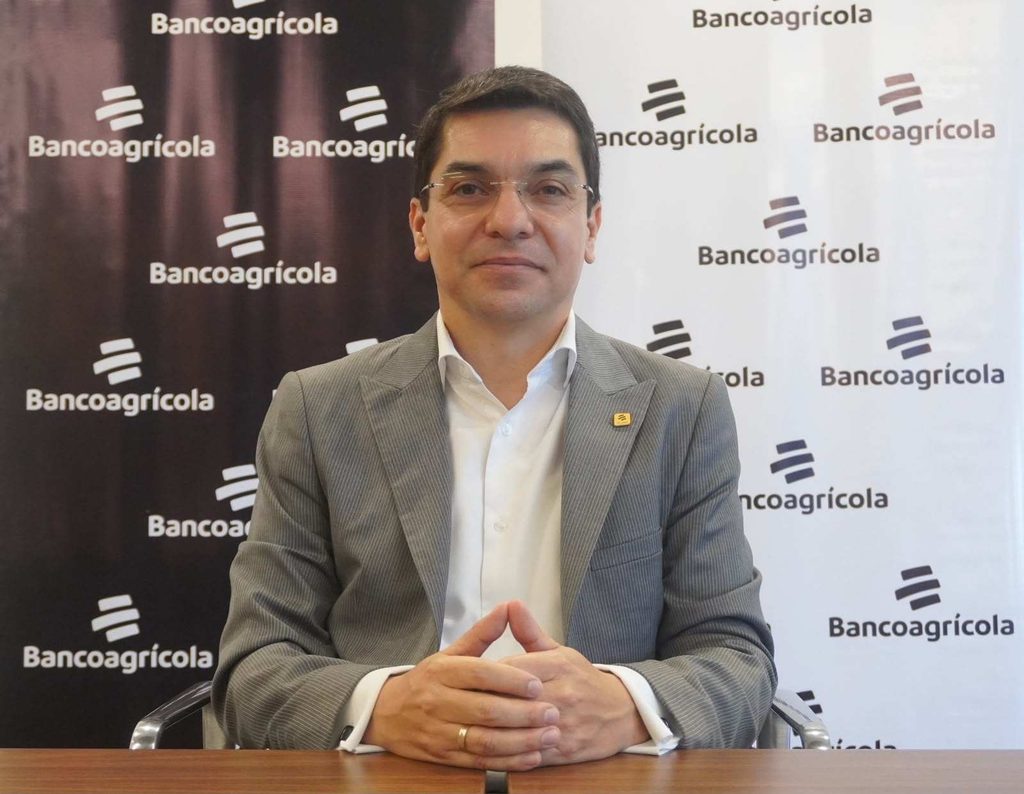
For Pinilla, this evolution reflects increased use of digital tools and a diversification of financial needs. Savings accounts, time deposits, and investment funds cater to various objectives, ranging from keeping funds readily available to planning projects and seeking returns, always in line with the specific conditions and risks associated with each option.
You may also want to read: