

 dinero_admin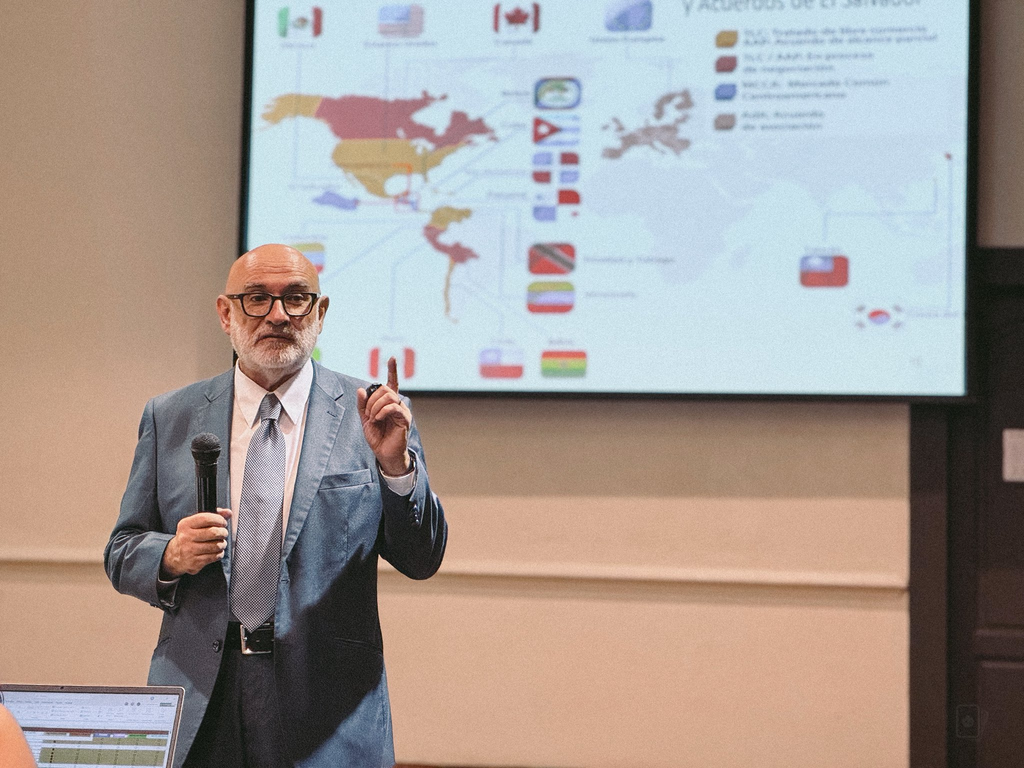
Corporación de Exportadores de El Salvador (COEXPORT) conducted Module 4 of the Logistics 360 Certification program, focused on Foreign Trade Logistics and INCOTERMS, with the goal of strengthening companies’ understanding of the elements involved in international operations. The training was led by Fernando Romero, an expert in international trade and logistics.
During the session, participants discussed the importance of properly planning each stage of a foreign trade operation. According to COEXPORT, participating in international markets requires much more than simply identifying buyers or suppliers; it also involves understanding aspects related to costs, responsibilities, risks, and delivery terms.
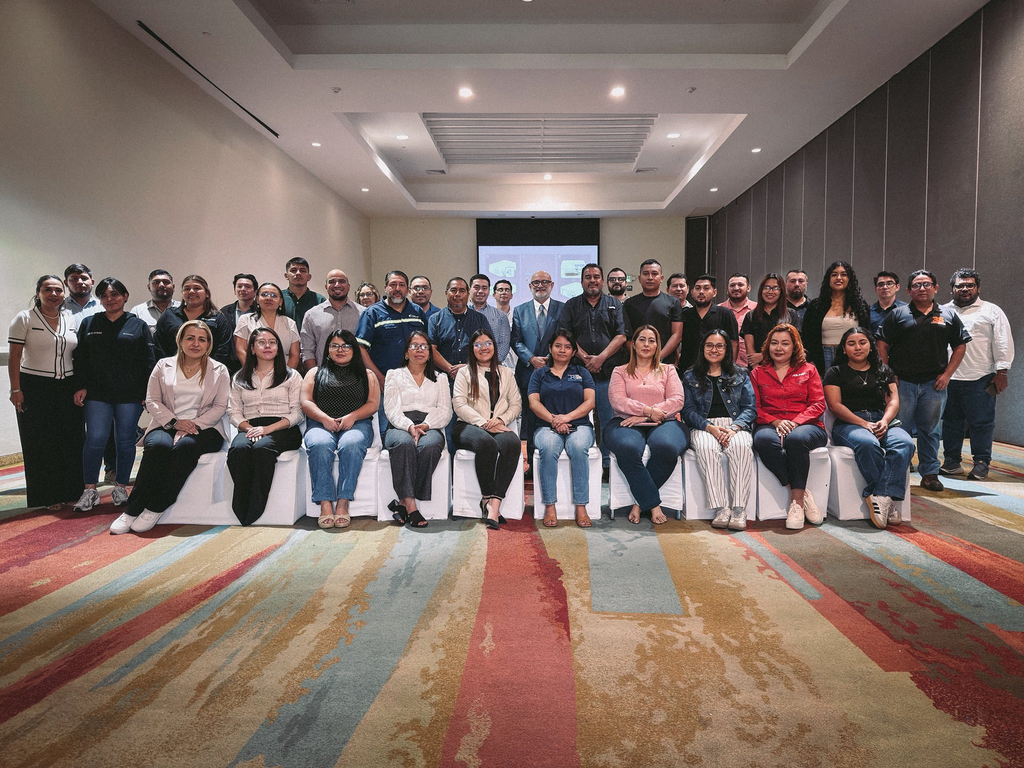
One of the central topics was the role of INCOTERMS—rules used in international trade to define the obligations and responsibilities between buyers and sellers. Their correct application makes it possible to clearly establish who bears certain costs and risks during the transport of goods, contributing to better management of operations.
Fernando Romero pointed out that the country imports more than it export, a situation that, in his view, represents an opportunity for more companies to focus on production geared toward international markets. In this context, he highlighted the importance of identifying new business niches and understanding the dynamics of an ever-changing global environment.
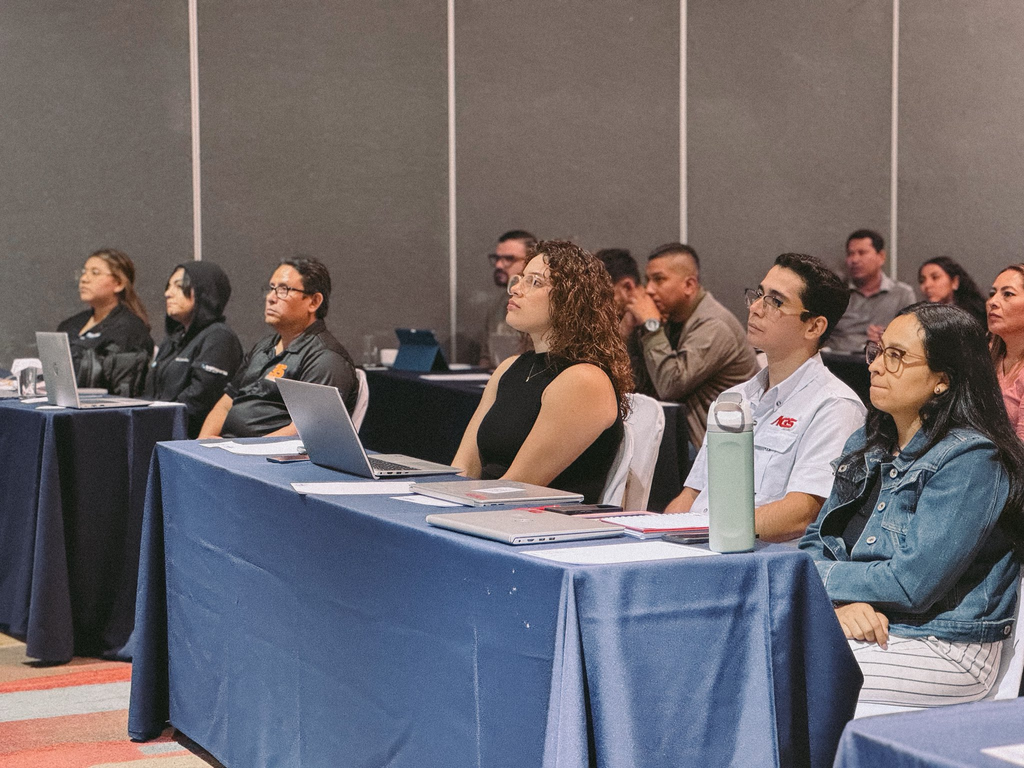
The training also emphasized the need for companies to shift from a mindset centered on consumption and imports to one focused on sustainable production and exports. To achieve this, it is essential to have tools that enable informed decision-making and reduce risks in every business transaction.
COEXPORT highlighted that efficient logistics, and a solid understanding of INCOTERMS are key factors in safeguarding companies’ profitability. For this reason, initiatives like this aim to strengthen the capabilities of the productive sector and provide knowledge that facilitates more competitive participation in international trade.
You may also read: