

 dinero_admin
Social media, peer pressure, and the desire to demonstrate success have fueled an increasingly common practice: spending money to project a better life than one has. From high-end phones bought on credit to trips, designer clothes, or expensive dinners to posting photos online, many people end up jeopardizing their financial stability to maintain a certain image in front of others.
Financial education specialists warn that this behavior not only affects one’s wallet but also emotional well-being, family relationships, and the ability to build long-term wealth.
The desire to “Appear successful”
Currently, much of daily life is shared on social media. Photos of trips, purchases, vehicles, restaurants, or celebrations generate constant comparisons between people. In many cases, this creates the feeling that one must maintain a certain lifestyle to “fit in” or demonstrate success.
The problem arises when actual income is insufficient to sustain that level of consumption.
Many people then resort to credit cards, loans, or installment payments to acquire products or experiences they truly cannot afford. Although it may seem like a quick solution at first, over time debts begin to accumulate and negatively impact personal finances.
Buying out of pressure, not necessity
Experts point out that one of the most frequent mistakes is confusing needs with desires driven by social pressure.

Constantly changing phones, buying clothes solely for fashion, acquiring more expensive vehicles than necessary, or throwing lavish parties are examples of expenses often made to impress others rather than because they are truly essential.
Some families even allocate a significant portion of their income to celebrations, vacations, or luxury items while neglecting essential aspects such as saving, paying off debts, or building an emergency fund.
Social media and the false reality
Another important factor is that social media tends to only show people’s positive moments. What is posted rarely reflects the debts, financial worries, or difficulties that may exist behind that image.
This creates a distorted perception of reality and causes many people to feel they are “falling behind” financially, even when their financial situation is stable.
Experts warn that trying to compete with lifestyles portrayed online can become a constant and dangerous pressure on personal finances.
Economic consequences
The main consequences of spending to impress are usually reflected in excessive debt and a lack of financial stability.
Among the most common problems are:
• Uncontrolled use of credit cards.
• Loans for non-essential expenses.
• Inability to save.
• Late payments on important bills.
• Dependence on credit to cover basic expenses.
• Constant financial stress

Furthermore, when a person dedicates a large portion of their income to maintaining appearances, they miss out on important opportunities to build a more stable future, such as investing, saving for housing, education, or retirement.
The emotional and family impact
The problem isn’t solely financial. The pressure to maintain appearances can also affect emotional well-being.
Anxiety about maintaining a certain image, the fear of “not fitting in”, or the frustration of not being able to afford certain expenses generate constant stress. In some cases, this ends up affecting family and romantic relationships due to arguments about money or excessive debt.
Experts believe that many people enter a cycle that is difficult to break: they spend to impress, they go into debt, they feel financial pressure, and then they spend time again to maintain the appearance of stability.
The danger of normalizing debt
One of the current risks is that excessive debt has become increasingly common in certain sectors of society.
Phrases like “I’ll figure out how to pay it back later” or “everyone’s in debt” reflect a culture where immediate gratification is often prioritized over financial planning.
However, experts remind us that poorly managed debt can negatively impact credit history for years and limit future opportunities, such as obtaining a home loan or starting a business.
The importance of financial education
Faced with this situation, specialists emphasize the need to strengthen financial education from an early age.
Learning to differentiate between needs and wants, creating budgets, controlling expenses, and avoiding impulsive purchases are fundamental habits for maintaining financial stability.
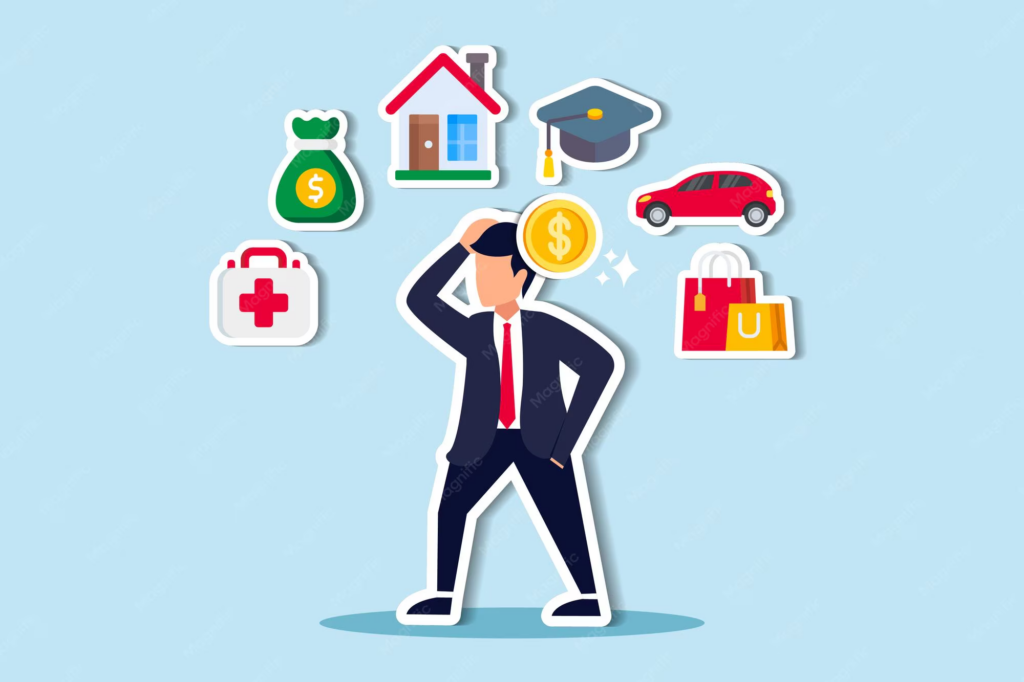
They also recommend setting personal and family financial goals based on each household’s economic reality, not on social pressure or appearance.
Living within your means
Experts agree that having financial stability doesn’t mean appearing wealthy but rather managing available resources correctly.
Saving, avoiding unnecessary debt, and prioritizing important goals usually brings more peace of mind in the long run than trying to maintain a lifestyle that doesn’t match one’s actual financial means.
In an era where appearances carry increasing weight on social media, financial literacy and responsible consumption become key tools to prevent social pressure from ultimately impacting families’ finances and well-being.
You can also read: