

 dinero_admin

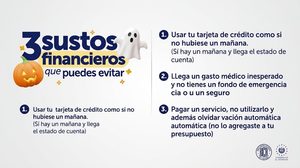
The Banco Central de Reserva (BCR) highlighted the importance of adopting small financial habits to improve money management and strengthen household economic stability. Through a financial education message, the institution pointed out that actions such as saving, planning expenses, and making informed decisions can generate significant changes in personal finance management.
The entity emphasized that managing money properly depends not only on how much one earns, but also on how income is used. Developing responsible financial habits allows for greater control over available resources, meeting daily needs, and preparing for unexpected expenses.
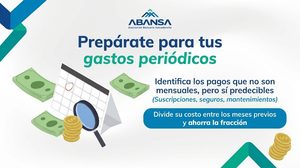
One of the main aspects of achieving this goal is creating a budget. This tool allows households to identify how much money comes in, what the fixed and variable expenses are, and how much can be allocated to savings. It also makes it easier to recognize those expenses that can be reduced or eliminated to avoid financial imbalances.
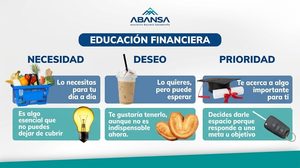
A budget also helps establish priorities, as it helps differentiate between needs and expenses that can wait. Keeping track of purchases, utility payments, food, transportation, and other obligations allows you to know more precisely where your money is going and act when expenses exceed income.
Another fundamental habit is saving, a practice that allows you to set aside a portion of your income for future use. Although it can sometimes seem difficult to allocate money for this purpose, starting with small amounts and maintaining consistency can help build a fund to cover emergencies, achieve personal goals, or make planned purchases without necessarily resorting to debt.
To strengthen this practice, it is advisable to incorporate savings into your monthly budget, rather than waiting for money to be available after covering all expenses. This way, it becomes a constant financial responsibility and not an occasional activity.
Financial education also plays an important role in this process because it provides knowledge and tools to better understand how money works. Having information about financial products, interest rates, loans, payment obligations, and savings alternatives allows you to evaluate the available options before making financial commitments. Before applying for a loan, it’s important to analyze your repayment capacity, understand the financing terms, and review the associated interest rates and fees. An informed decision can prevent acquired obligations from consuming an excessive portion of your income and affecting your ability to meet other responsibilities.
Likewise, maintaining responsible spending habits contributes to better financial management. Comparing prices, avoiding impulse purchases, planning acquisitions, and evaluating whether a product or service is truly necessary are actions that help you use resources more efficiently.
The Central Bank’s message also highlights that these changes don’t necessarily require large sums of money or immediate transformations. On the contrary, the discipline to organize income, control expenses, and maintain the habit of saving can begin with simple decisions that are gradually incorporated into daily life.
In this way, planning, saving, and financial education become complementary tools for improving economic well-being. Consistency in these practices allows for greater control over money, preparation for unforeseen events, and the creation of more favorable conditions for achieving short, medium, and long-term financial goals.
You can also read: