

 dinero_admin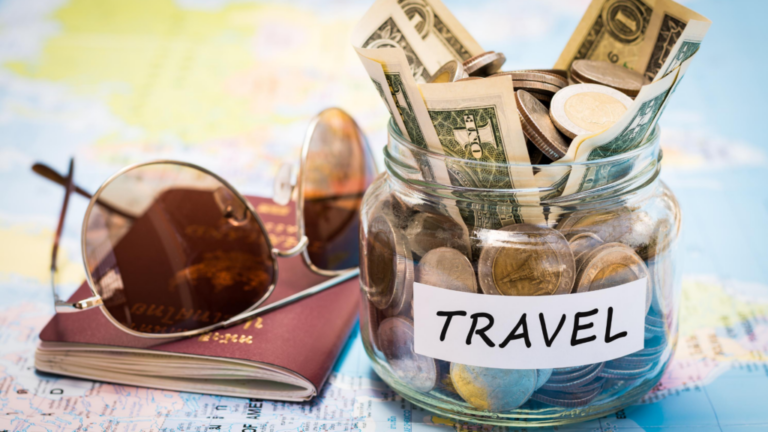
Traveling abroad can be an unforgettable experience, but poor planning can lead to expenses exceeding expectations. In addition to airfare and accommodation, there are often overlooked costs that can significantly impact your budget.
Personal finance experts recommend creating a budget before traveling, setting a daily spending limit, and familiarizing yourself with the payment policies of your destination country to avoid unnecessary outlays.
One of the main tips is to compare exchange rates before buying foreign currency and avoid doing so at airports or tourist areas, where rates are typically less favorable. It’s also important to check if credit or debit cards charge fees for purchases or withdrawals abroad.

When paying by card, experts advise choosing the local currency when the merchant offers that option, as automatic conversion to dollars or other currencies often use a higher exchange rate.
Regarding cash, it’s recommended to make few withdrawals in sufficient amounts to minimize ATM fees.
Food and transportation can also represent significant savings. Eating at restaurants frequented by locals, taking advantage of breakfasts included with your accommodation, and using public transportation instead of taxis helps reduce daily expenses.
It’s also a good idea to check if your accommodation charges extra for taxes or services and avoid impulse purchases of souvenirs or tourist items that can unnecessarily inflate your budget.
Experts also suggest purchasing travel insurance, as a medical emergency or lost luggage can lead to much higher costs. Additionally, downloading maps and documents before you leave helps avoid international roaming charges.
Finally, keeping a daily record of expenses allows you to control your budget and adjust during your trip. Planning, comparing prices, and understanding the payment terms of your destination are key steps to enjoying your experience without overspending.
You can also read: