dinero_admin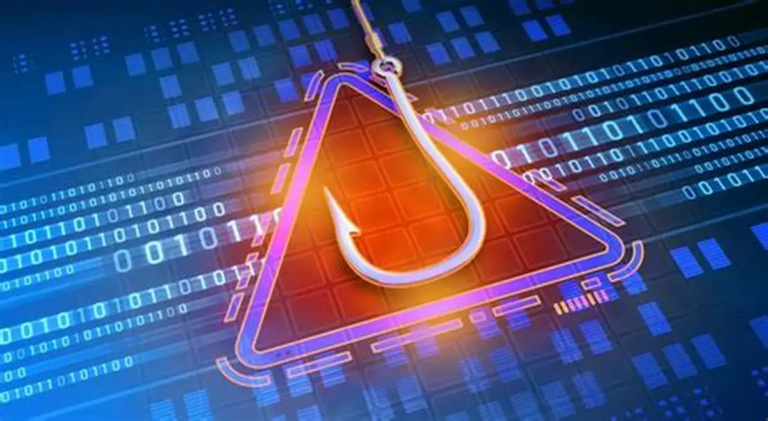
Banco Central de Reserva (BCR) alerted the public about the risks of phishing, a type of scam used by cybercriminals to obtain personal information, passwords, and banking details through deceptions that appear to come from trusted companies or institutions.
Through an informative video, the institution explained how these scams operate using the testimony of a victim who recounted losing US$2,000 after answering a call in which the scammers impersonated a well-known company.
According to the example presented, the scam began with a message and subsequently a phone call in which the criminals asked the victim to click on a link to perform a supposed adjustment on the phone. After completing the requested information, the scammers gained access to the device and used the victim’s account to request money from their contacts, impersonating them.
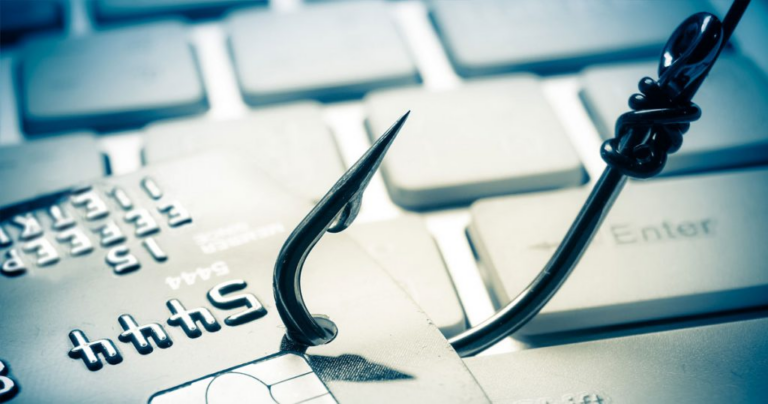
The BCR explained that phishing involves impersonating trusted entities, such as banks, service companies, apps, or social media platforms, with the goal of tricking people into revealing confidential information or clicking on fraudulent links.
It also warned that one of the main tactics of cybercriminals is to create a sense of urgency or fear so that victims act without verifying the authenticity of the messages or calls they receive.
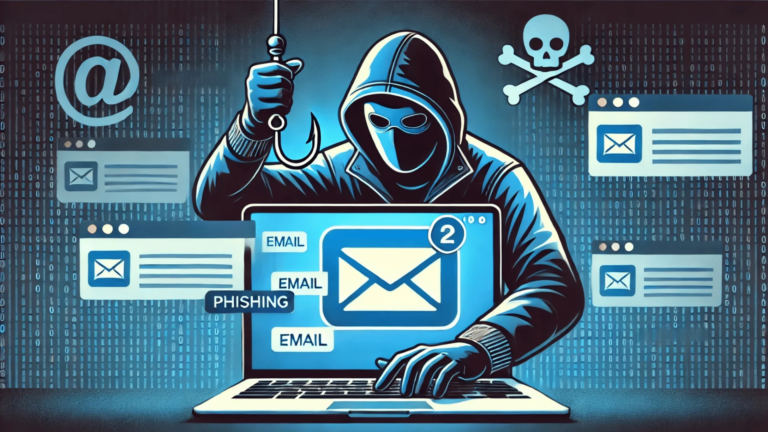
Given these situations, the BCR recommended always checking the source of any communication before providing personal data or clicking on links sent via text message, email, or messaging apps.
Finally, the institution urged the public to protect their personal information, be wary of unexpected requests, and share the video with family and friends to help prevent more people from falling victim to these types of scams.
You can also read: